Basin modeling

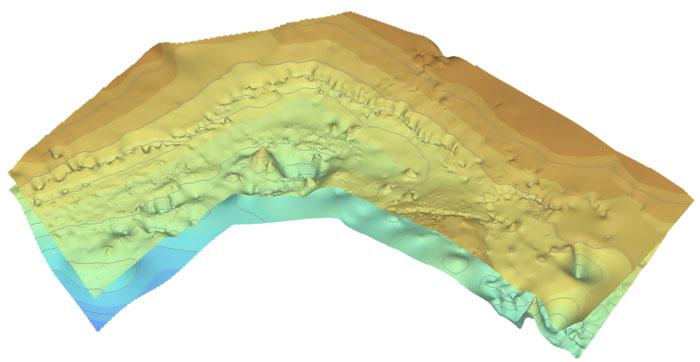
Basin modeling simulates the geological evolution of sedimentary basins by integrating temperature, pressure, and geological processes. It reconstructs the burial, thermal, and compaction histories using geological understanding, data like seismic surveys and well logs. The process involves thermal modeling (heat flow and maturation of organic matter), pressure modeling (fluid flow and overpressure zones), and geochemical simulations (hydrocarbon generation and migration). Models are calibrated with real data to predict resource potential and subsurface behavior.
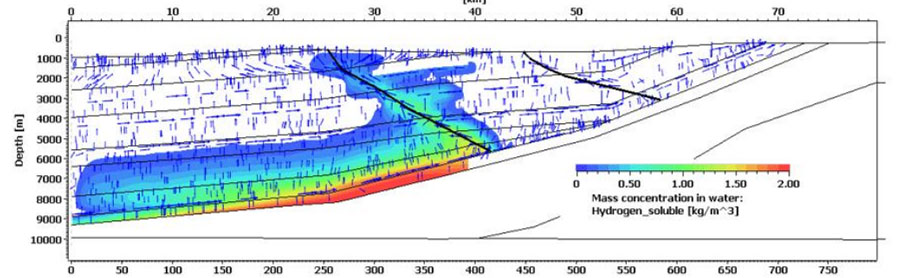
Traditionally, basin modeling supports hydrocarbon exploration by identifying reservoirs, estimating resource volumes and phase of fluids, reducing risks, and improving drilling efficiency. However, it is now critical for new energy applications. It evaluates geothermal energy potential, identifies sites for carbon capture and storage (CCS), identify brines with critical elements such as Lithium and assesses formations for natural hydrogen. These applications make basin modeling a key tool in advancing sustainable energy solutions alongside its continued role in resource exploration.
Today our digital basin modeling solutions, such as Petromod™ basin modeling software and Petrel™ subsurface software, integrating seismic, well, and geological data to simulate basin evolution with high-resolution 1D, 2D, and 3D basin models, enhancing decision-making across exploration and new energy applications
Petroleum system modeling solutions
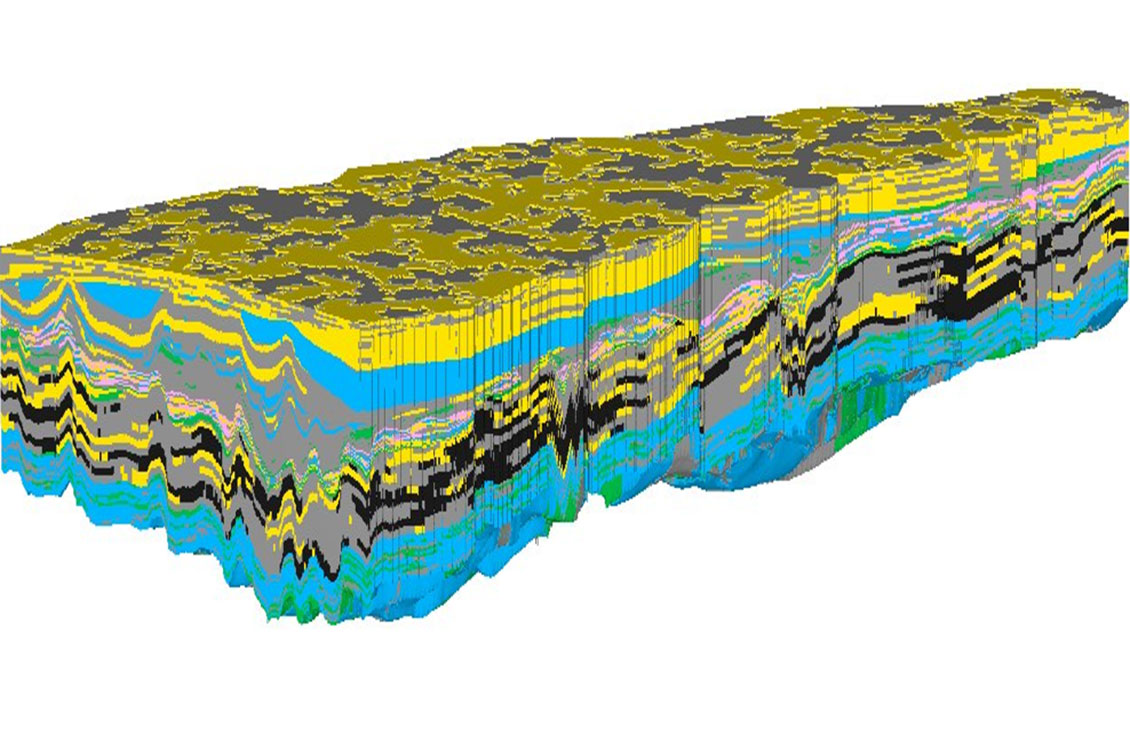
For decades, the Petromod basin modeling software primary application has been in petroleum system modeling to assess the risk associated to the different elements of petroleum systems and geological/geochemical processes in a sedimentary basin.
In addition to Petromod basin modeling software, Petrel subsurface software also offers capabilities for petroleum system modeling, providing an integrated environment where basin modeling results can be combined with seismic interpretation, structural modeling, and reservoir characterization.
Basin modeling clean energy application
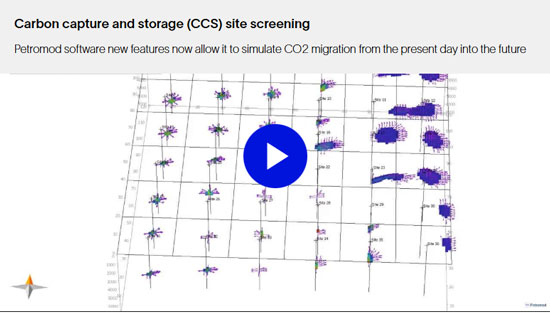
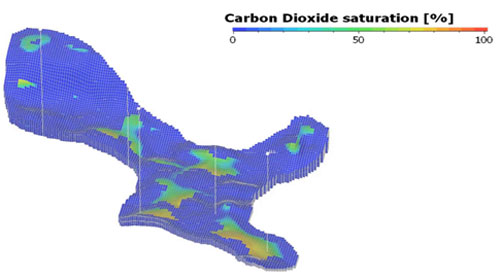
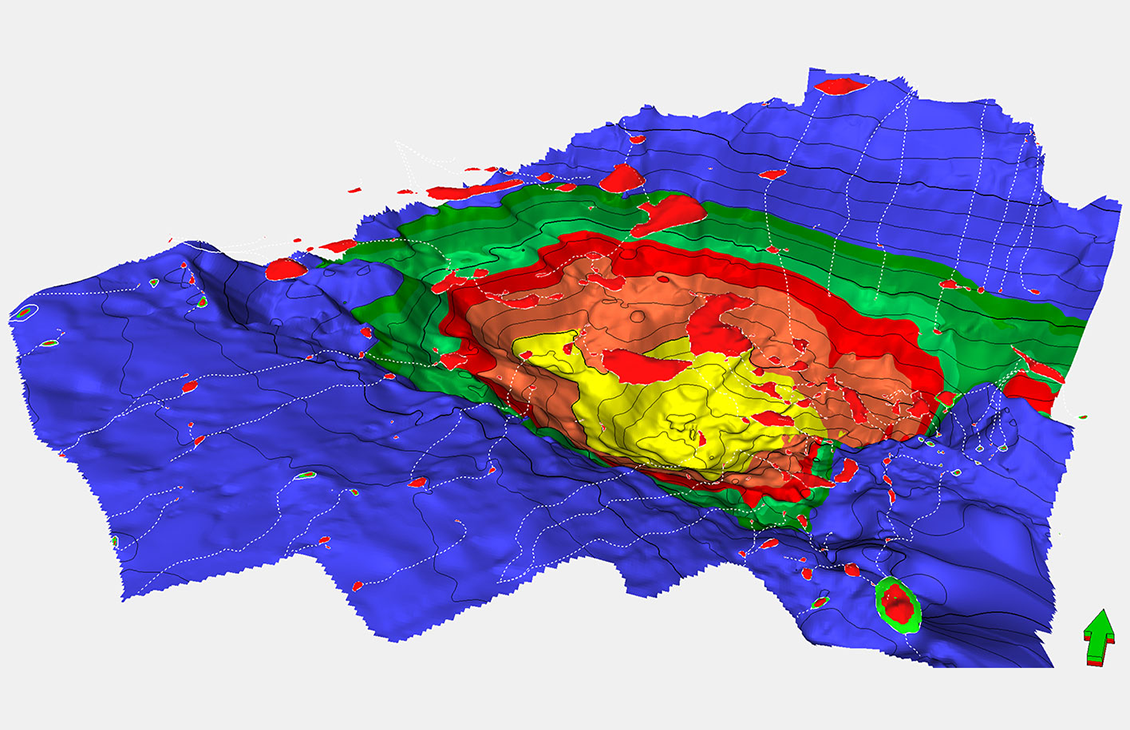
SLB digital basin modeling technology can be used to explore other resources in sedimentary basins, such as natural hydrogen, geothermal systems, brines with concentrations of critical elements like lithium, and to assess subsurface suitability for carbon capture and storage (CCS).