Petrel domain conversion
Accurate velocity modeling and domain conversion
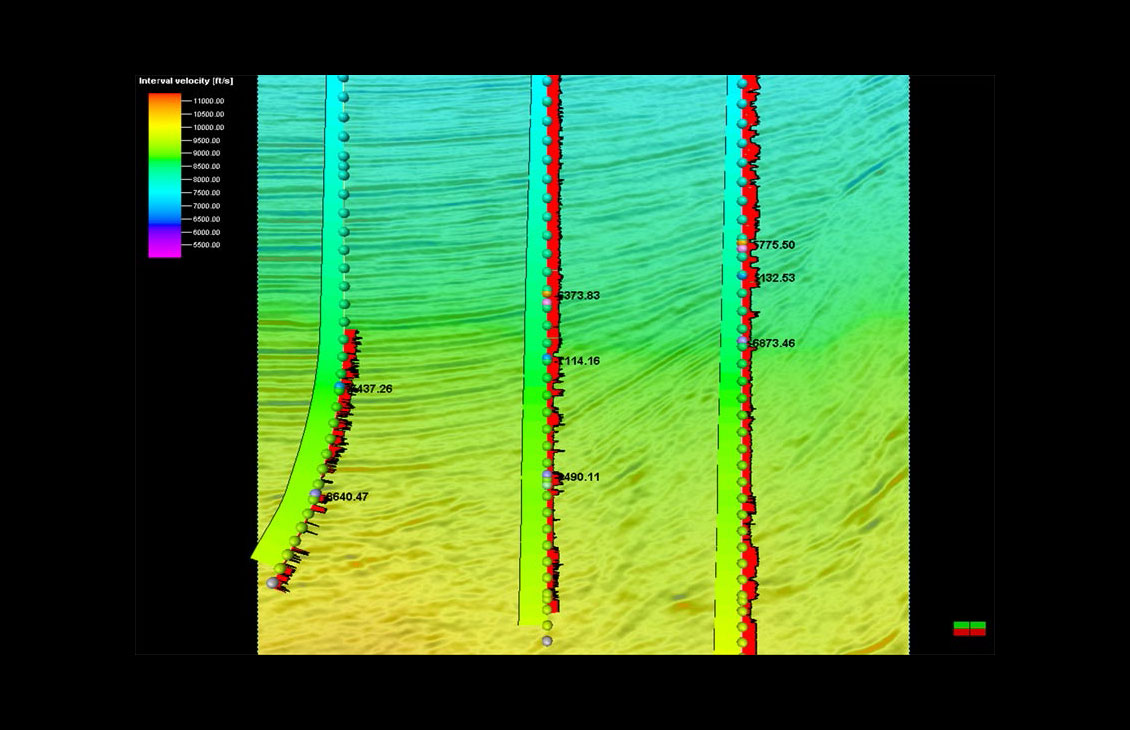
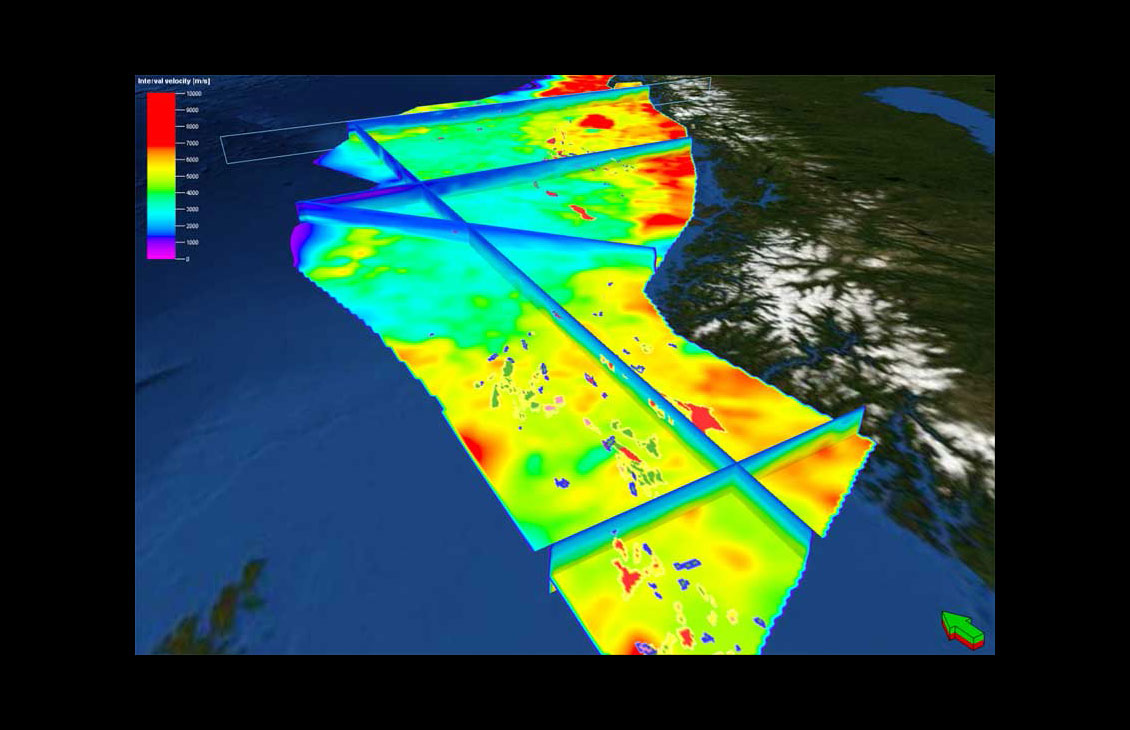
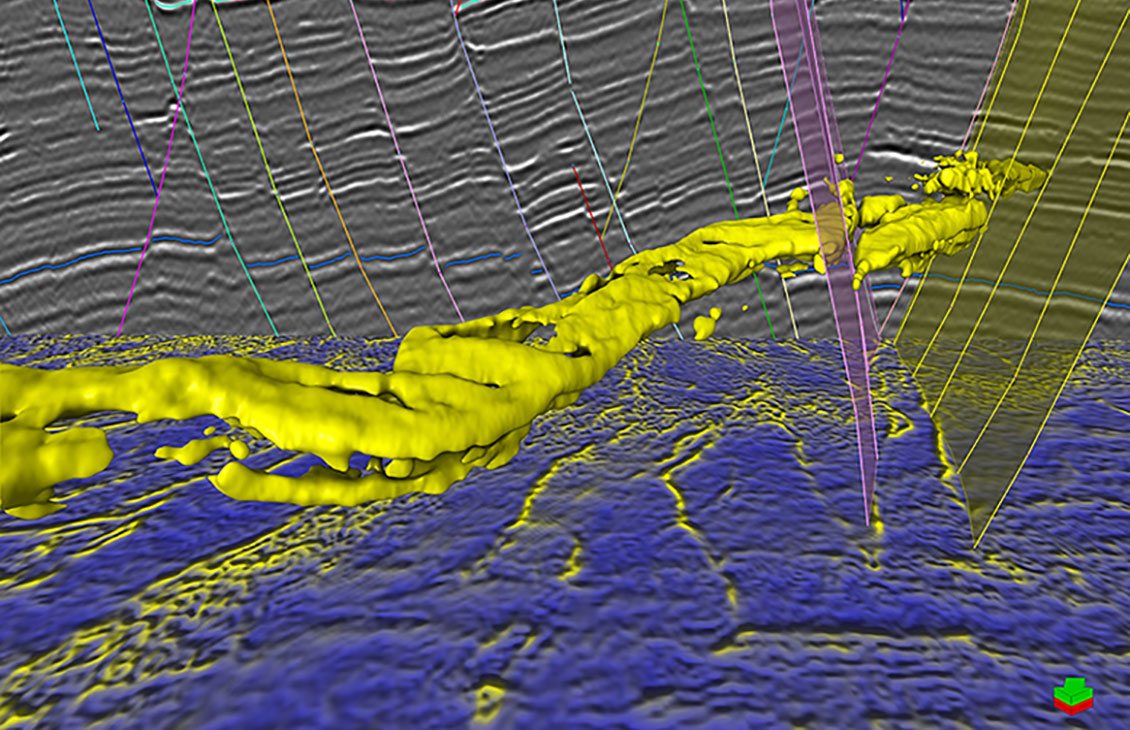
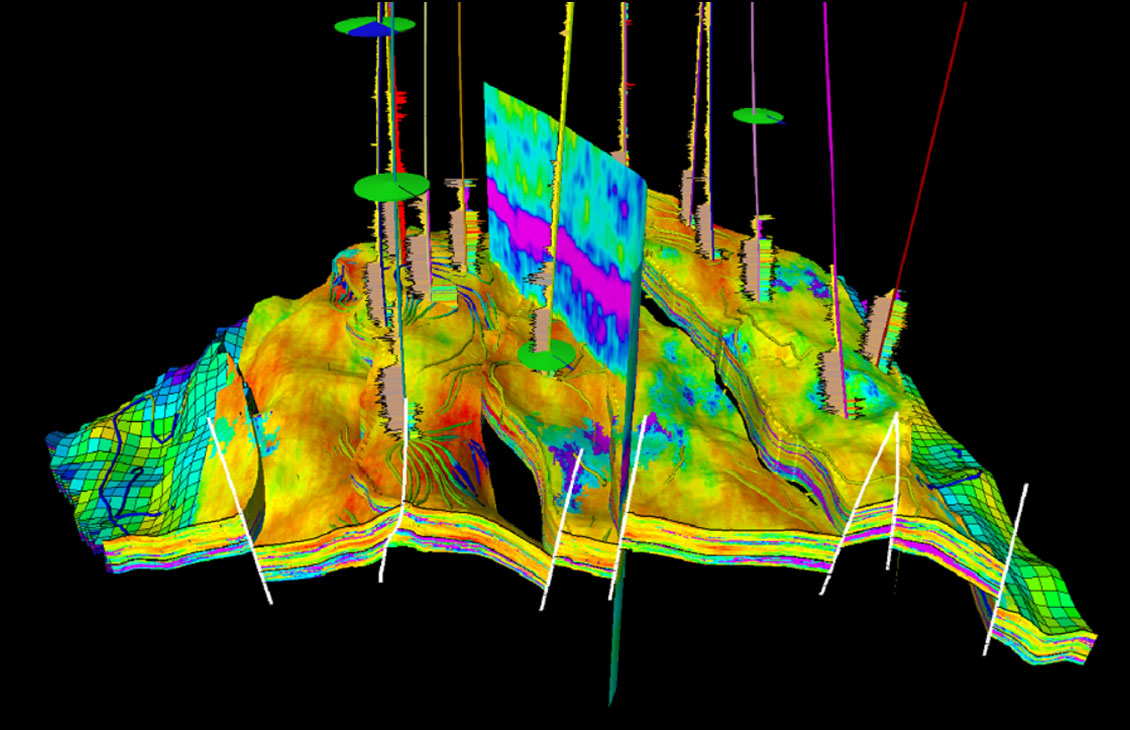
Petrel™ domain conversion enables quick generation of velocity models based on different types of velocity data.
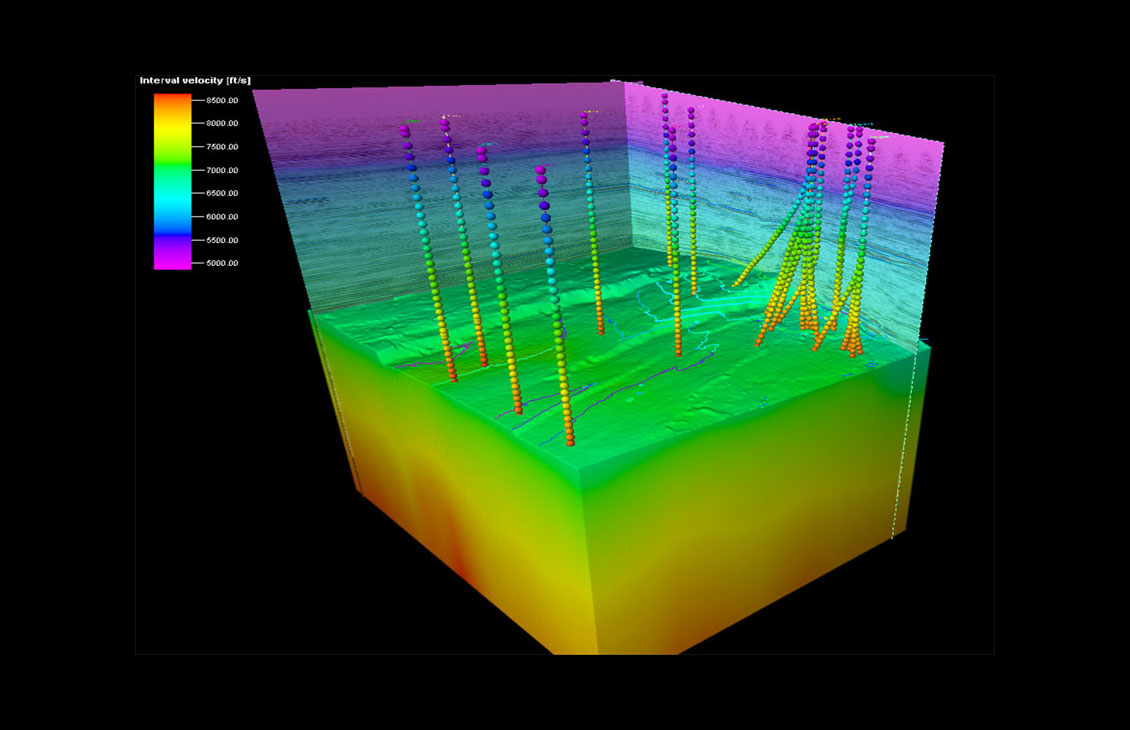
Multiple velocity models can be built to test different velocity parameter scenarios and obtain a better understanding of the structural uncertainty.
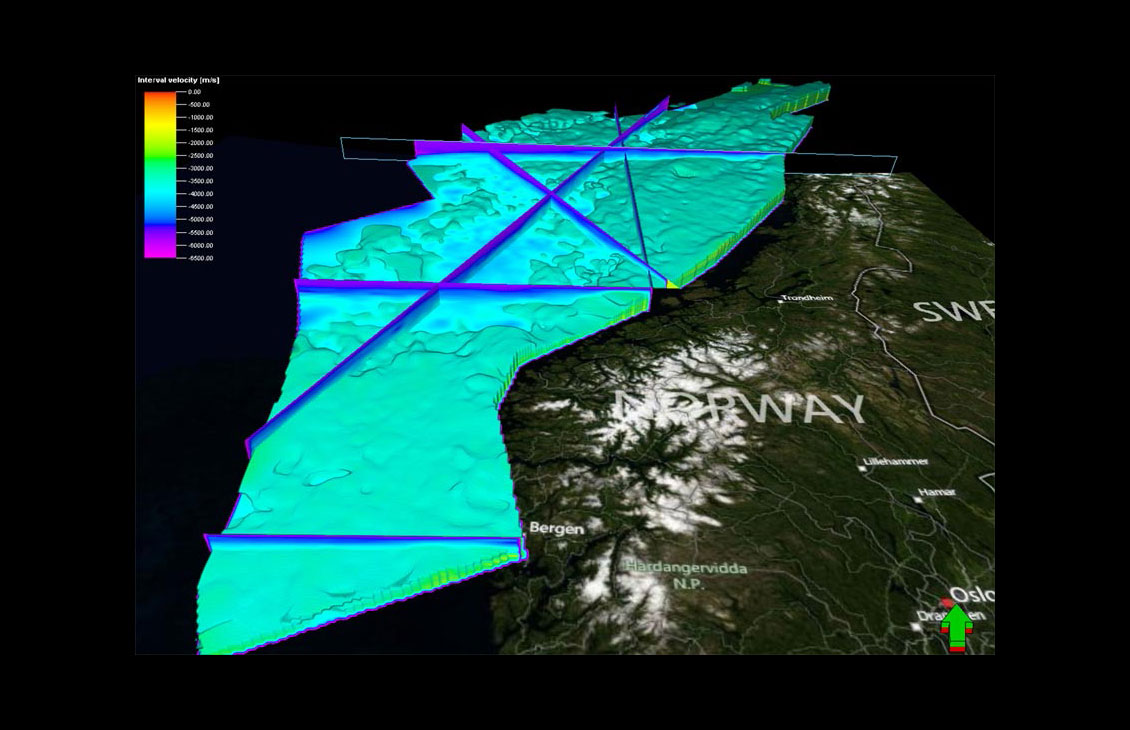
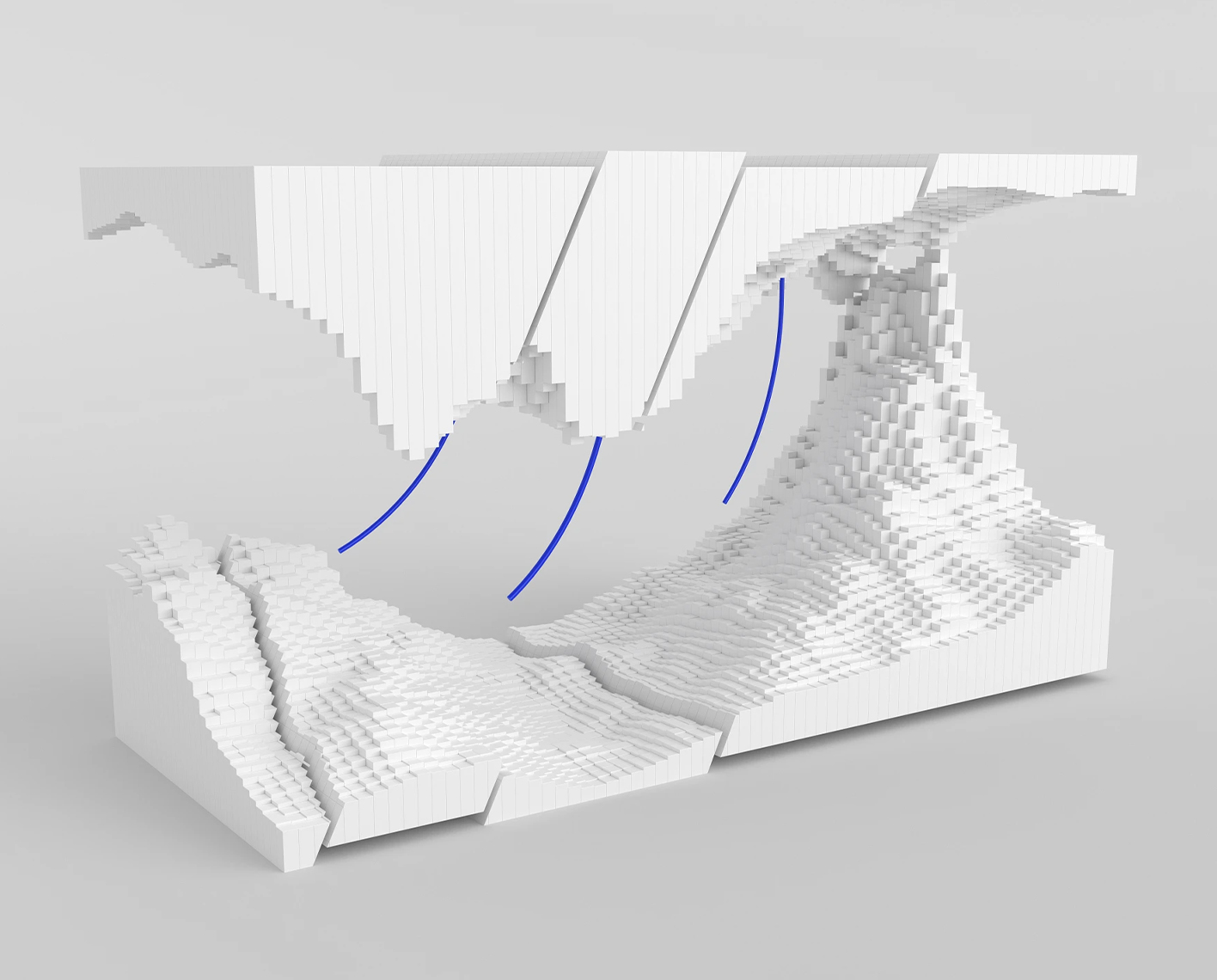
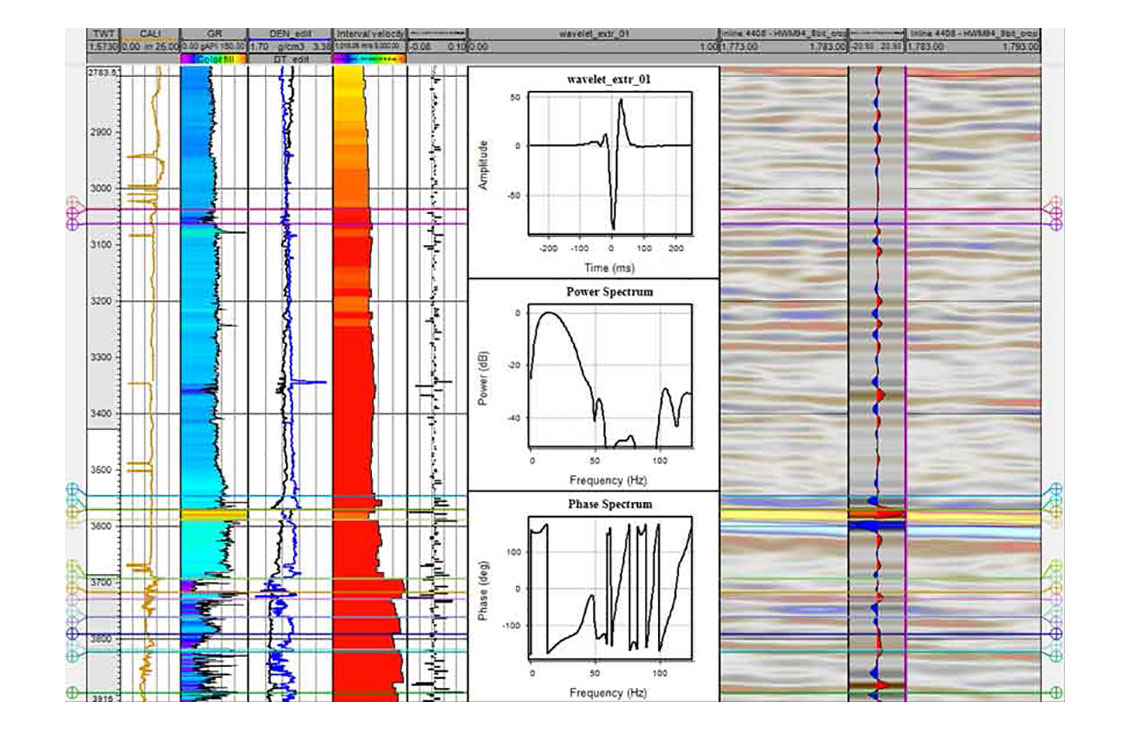
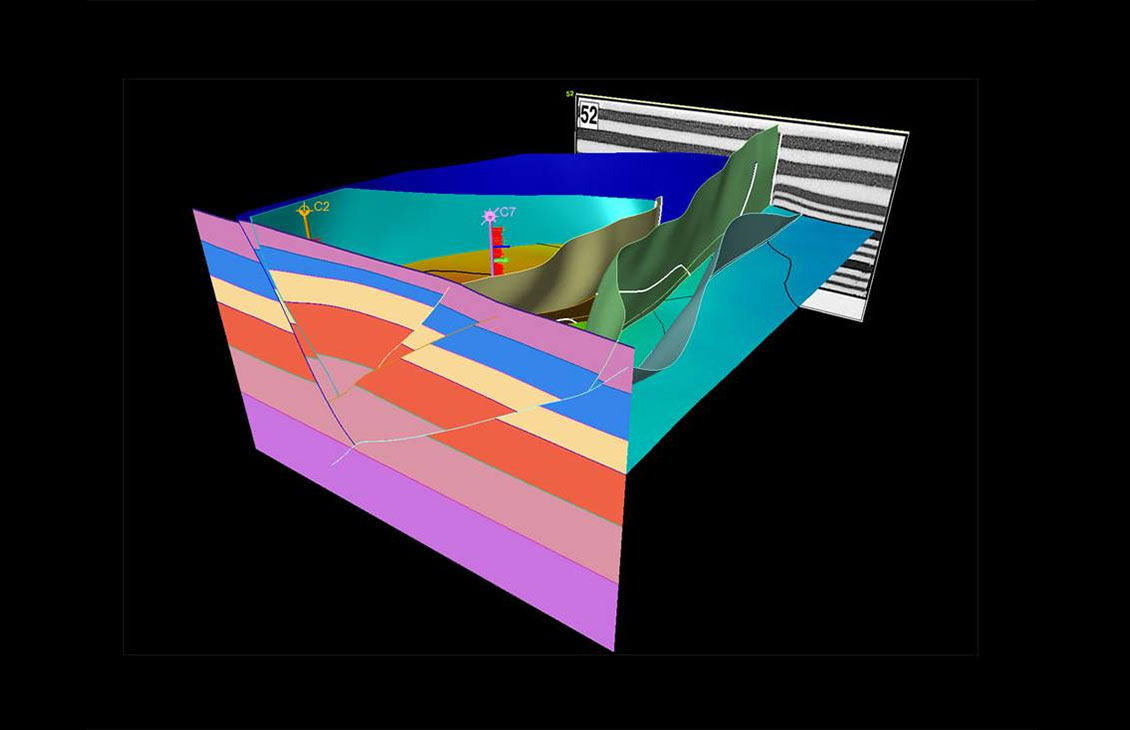
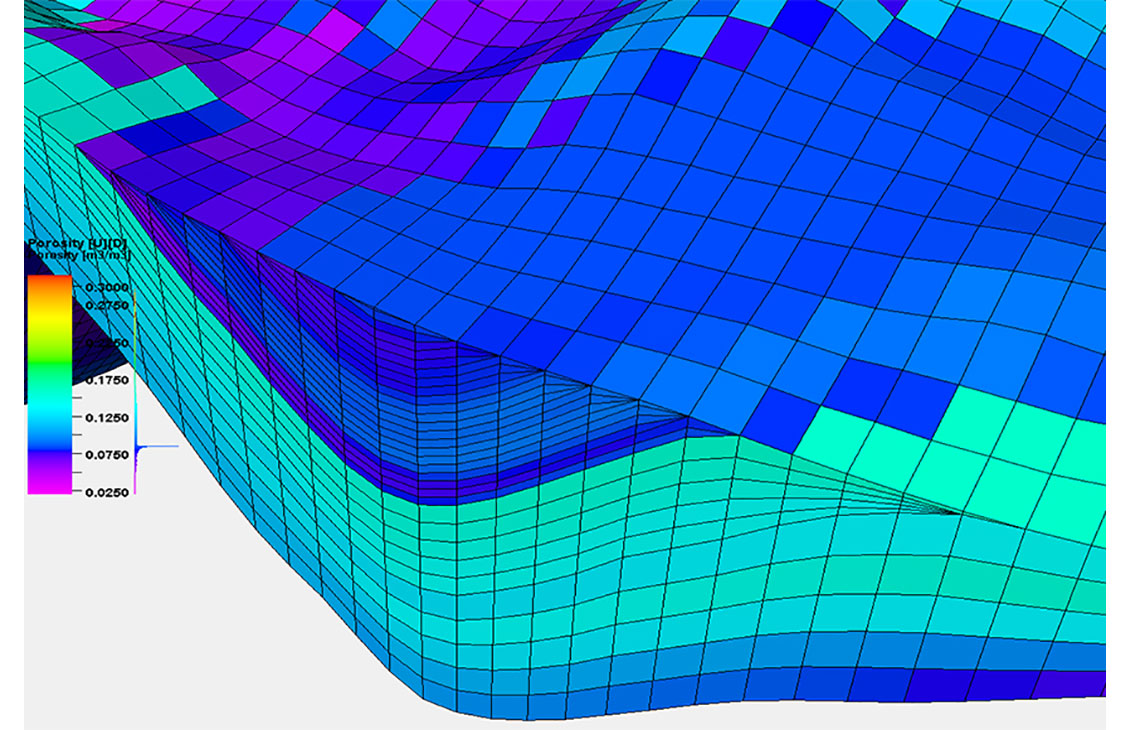
- Users can thoroughly calibrate wells with seismic velocities obtained from processing to build more accurate velocity models and use 3D grid properties for depth conversion, which is useful for conversion of complex structures, such as reverse fault and salt environments.
- Conversions within the same domain (time-to-time and depth-to-depth) can be used for flattening, AVO, and 4D seismic workflows, as well as workflows calibrating prestack depth migration data to well markers.
- The standard layer-cake approach is used for velocity model construction, providing users with the freedom and opportunity to select velocity variations for each layer—preserving the relationships between faults and horizons.
- Velocity functions handled are linear functions such as V=Vo, V=Vo+kZ, V=Vo+k(Z-Zo), and V=Vo+kT and average and interval velocity cubes or average grid properties.
- QC tools can be created from the velocity model: point sets, time and velocity logs, time-to-depth and velocity functions, velocity maps, residual attributes on well tops, and well reports.
- Uncertainty analysis can be performed using different seed numbers and variogram parameters to gain a better understanding of the structural uncertainty.
- Domain conversion can be performed backward and forward between time and depth for any object, including surfaces, horizons, faults and multi-Z interpretations, points, well data (logs and tops), 2D and 3D seismic data, and pillar and stair-stepped 3D grids.
NExT Petrel training courses
NExT training courses address the unique needs of each learner. Our courses, led by distinguished experts in their fields, equip learners with the skills to address practical situations and resolve real-world challenges.
In this section
-
Petrel Classification and Estimation
Advanced train estimation tools and trend modeling.
-
Petrel Domain Conversion
Accurate velocity modeling and domain conversion
-
Petrel Earth Model Building
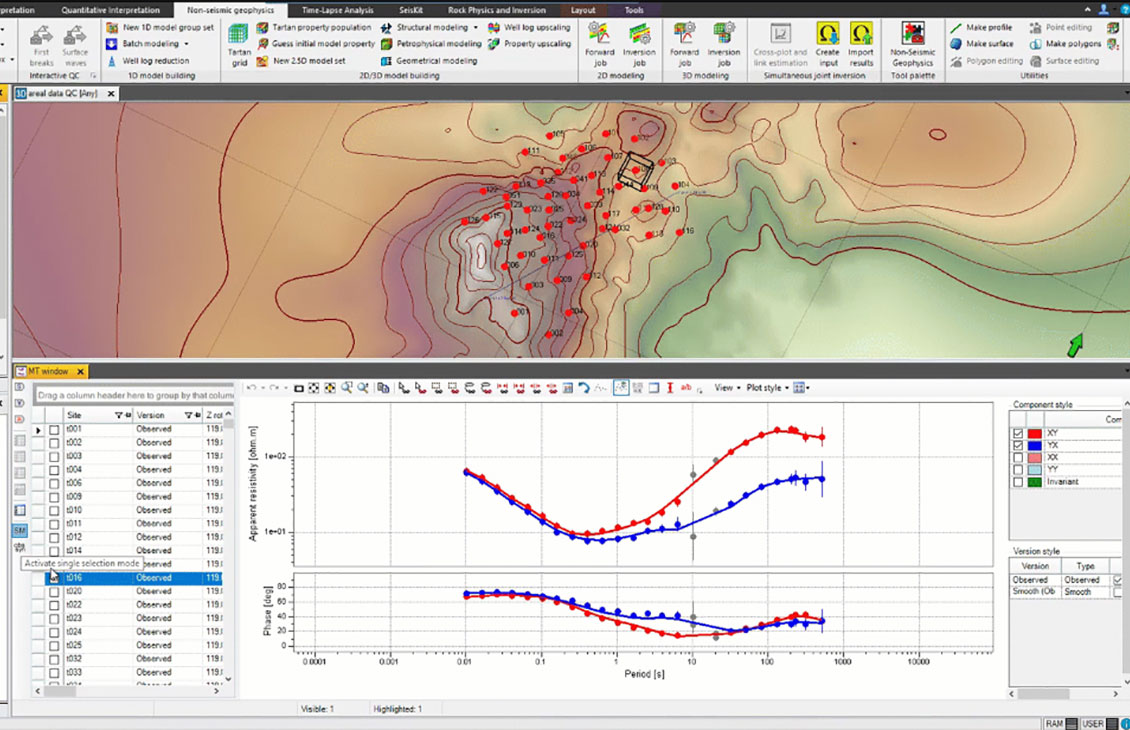
Integrate Omega platform data and extend workflows for a unified, reliable earth model
-
Petrel Multiphysics Plug-In
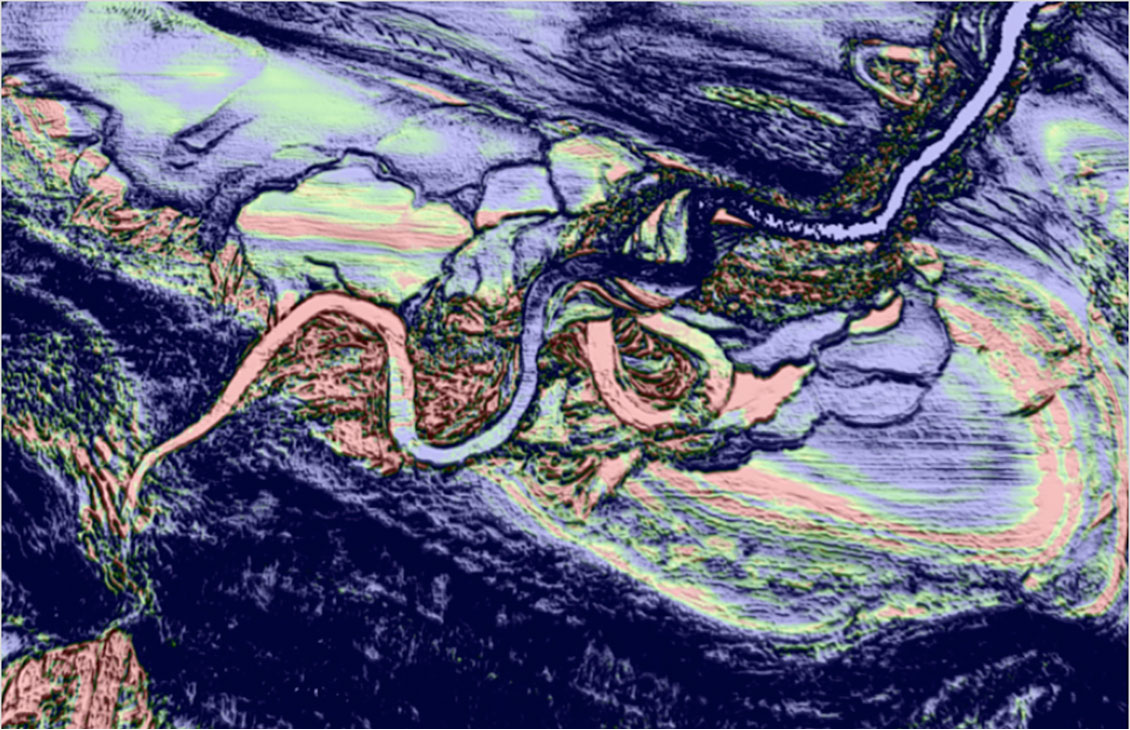
Integrated processing and modeling capabilities for magnetotelluric, controlled-source electromagnetic, and gravity and magnetic methodologies
-
Petrel Multitrace Attributes
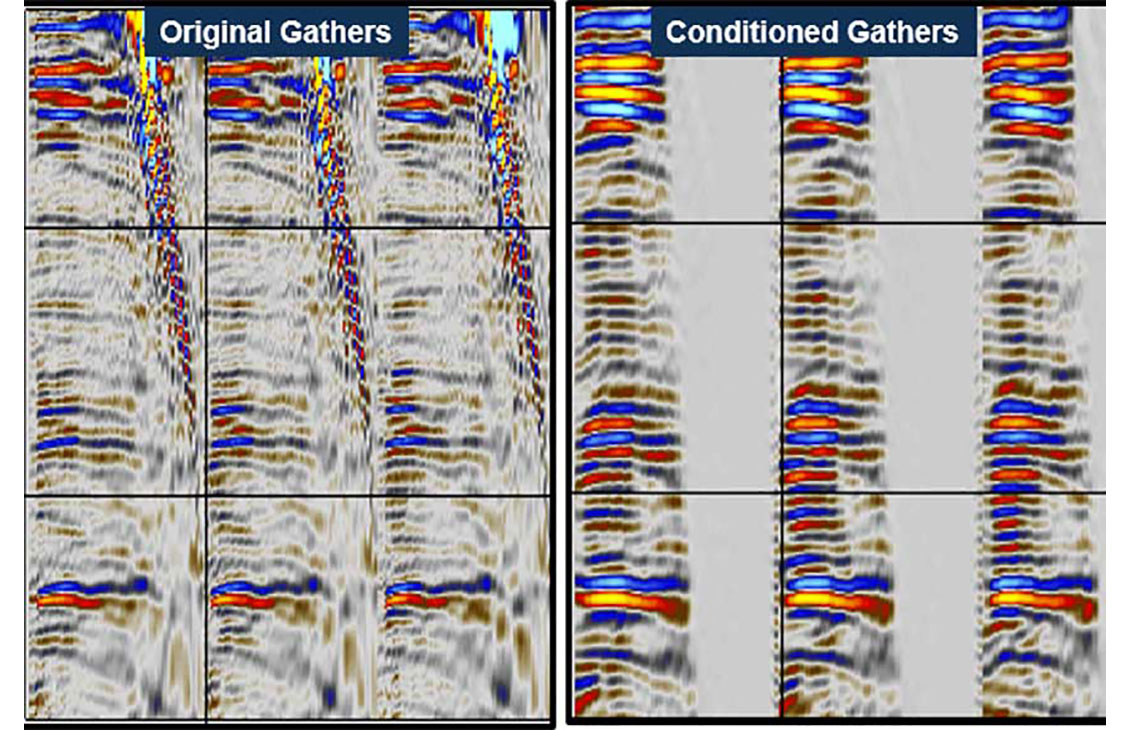
Create advanced seismic attributes to condition seismic data for better structural and stratigraphic interpretation tasks as well as enable powerful 3D volume interpretation workflows.
-
Petrel Prestack Seismic Interpretation Plug-In
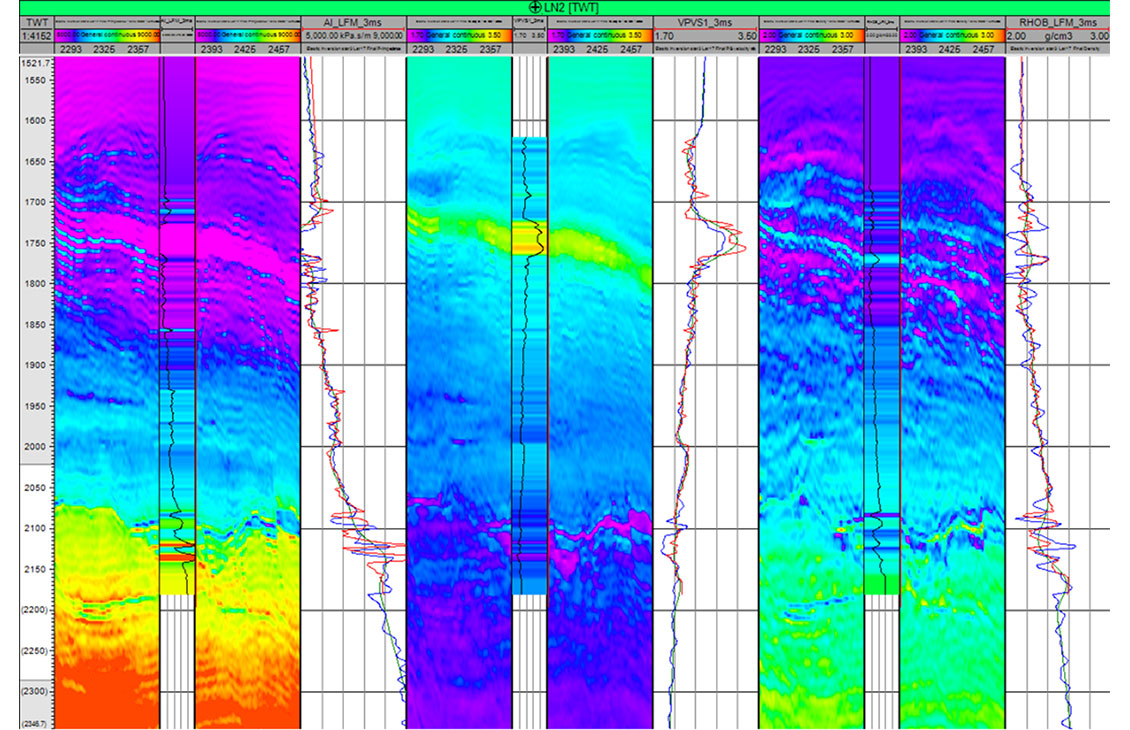
Prestack seismic visualization, interpretation, and processing
-
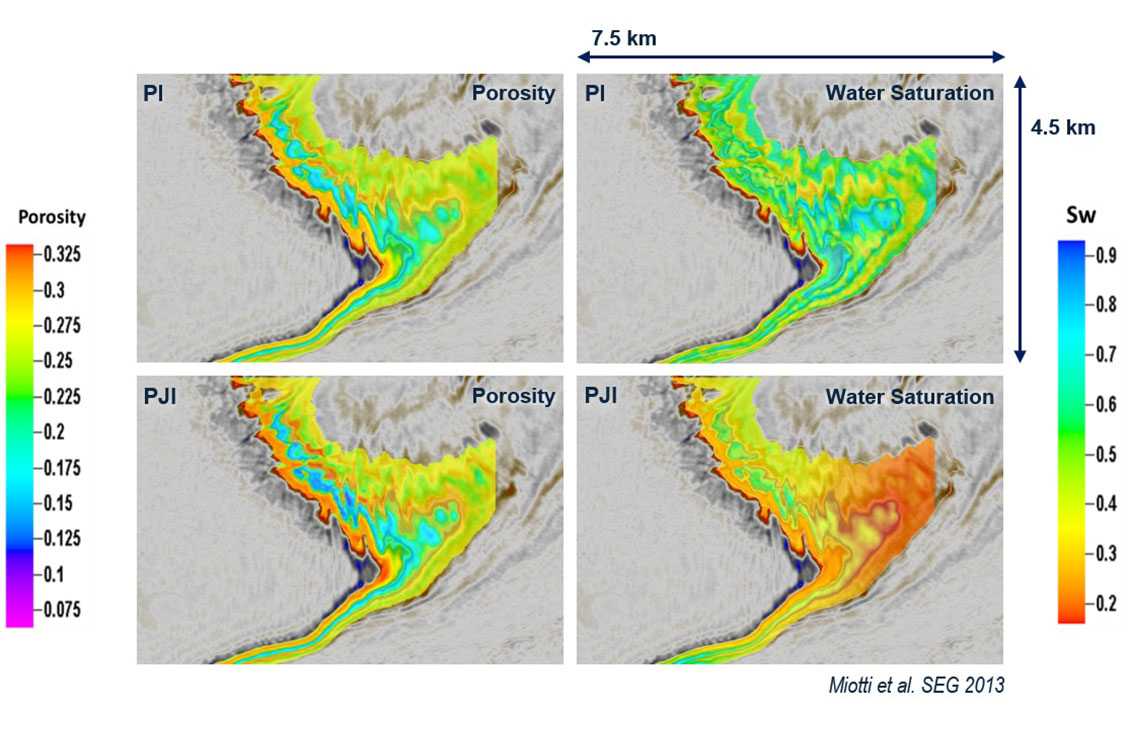
Petrel Quantitative Interpretation
Accurate and comprehensive quantitative interpretation
-
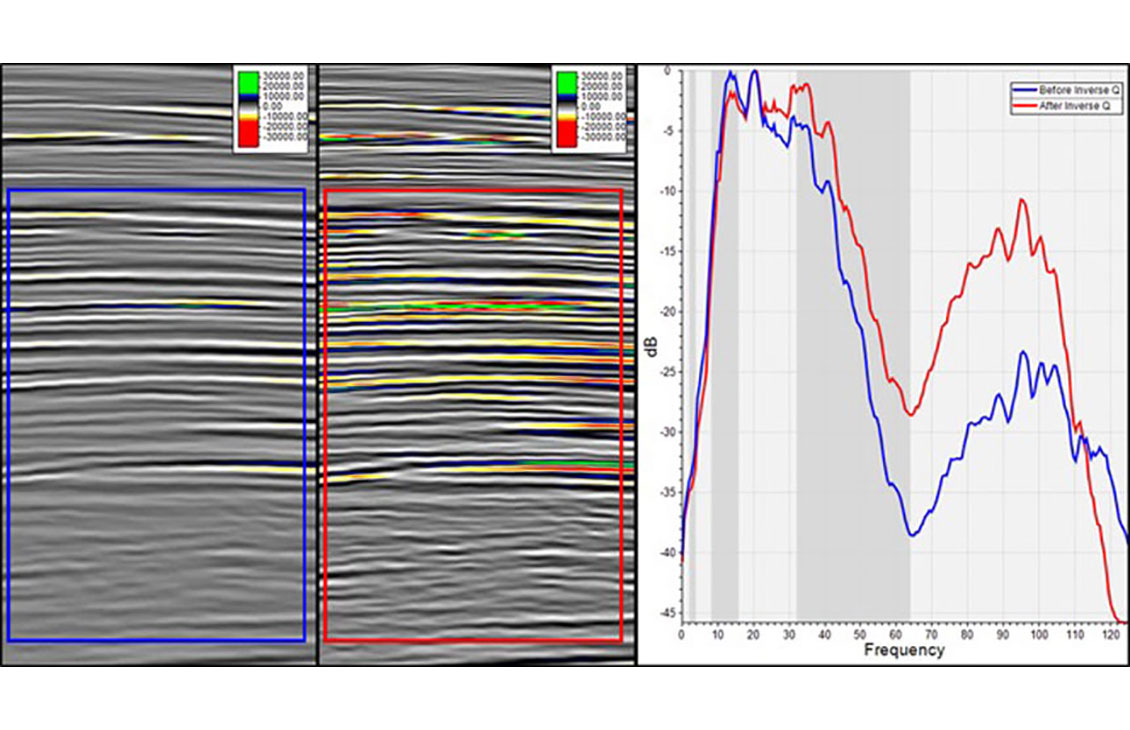
Petrel Rock Physics and Inversion Plug-In
Modeling and inversion tools for advanced, efficient reservoir characterization
-
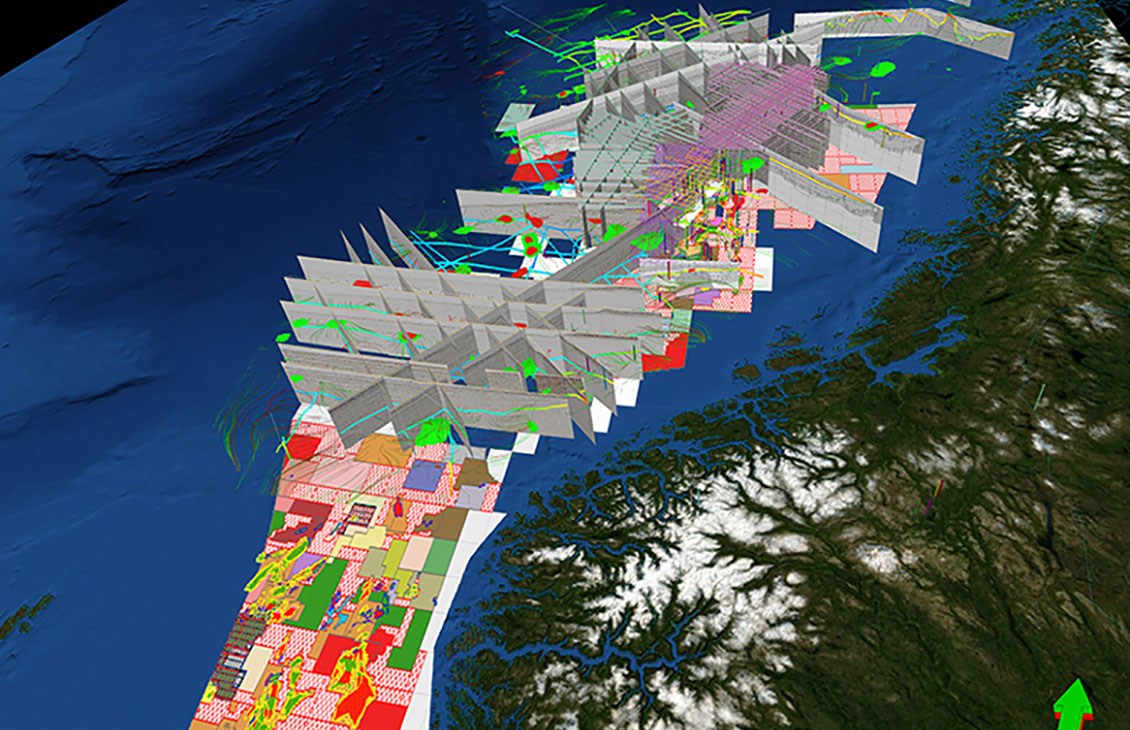
Petrel SeisKit Plug-In
Spectral analysis, filtering, bandwidth extension, and amplitude gain for faster QC and image enhancement in the Petrel platform
-
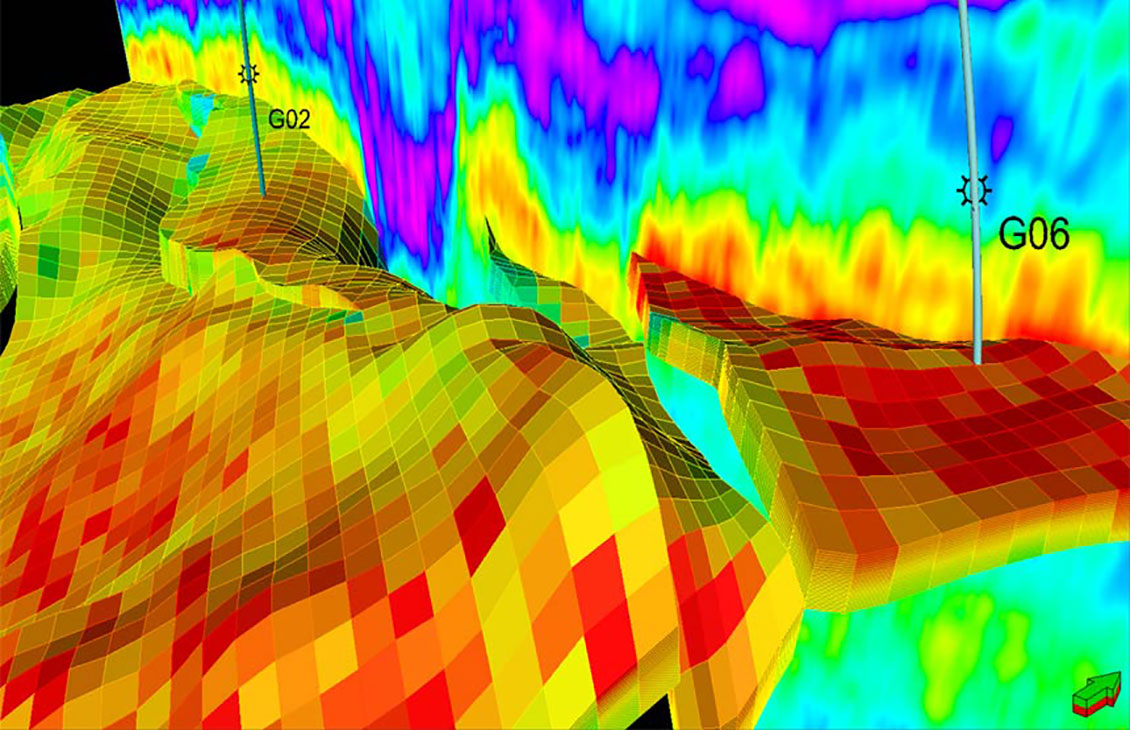
Petrel Seismic Interpretation
A responsive and flexible environment for 3D and 2D interpretation
-
Petrel Seismic Sampling
Resample seismic volumes and geobodies as properties into 3D grids
-
Petrel Seismic Survey Design Plug-In
Seismic survey design and analysisSeismic survey design and analysis
-
Petrel Seismic Volume Rendering and Extraction
A fast, intuitive, and accurate approach to volume interpretation
-
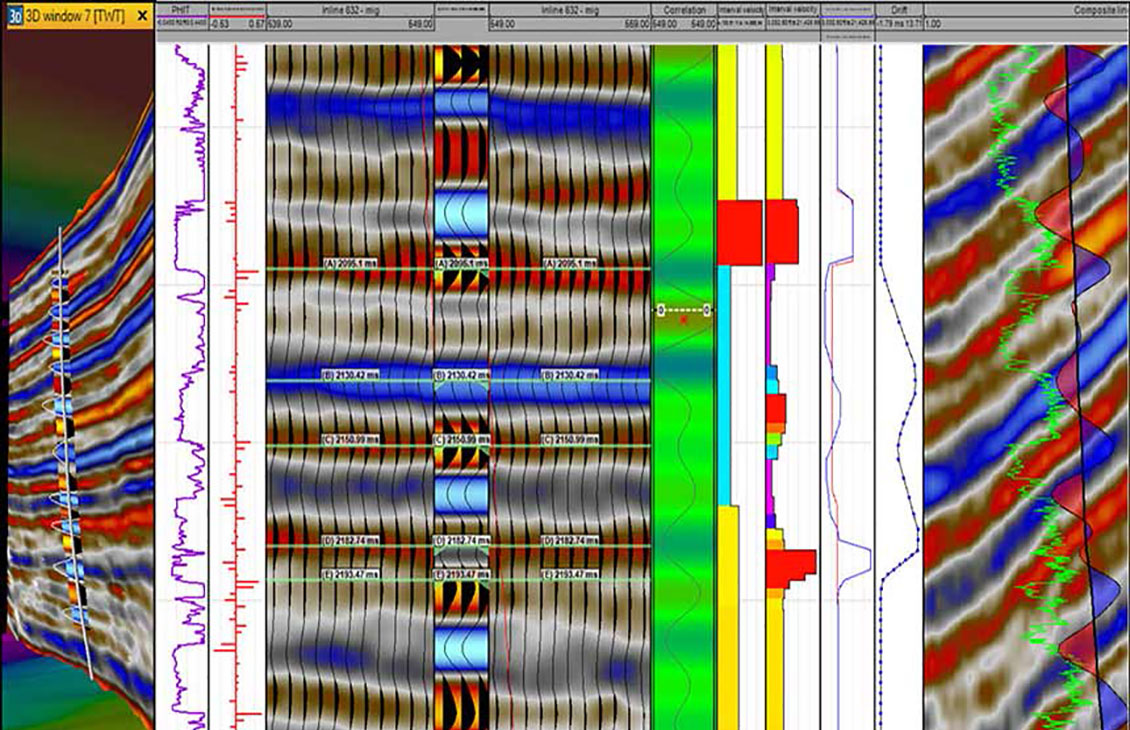
Petrel Seismic Well Tie
Comprehensive and robust seismic well tie
-
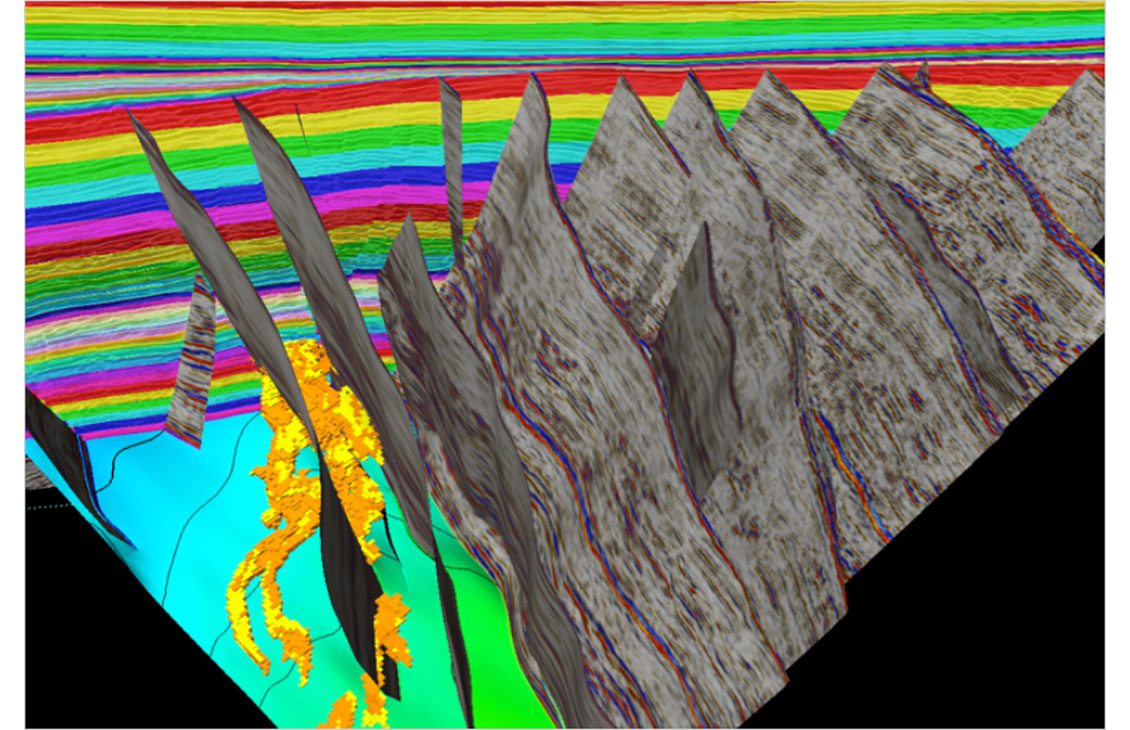
Petrel Structural and Fault Analysis
Analysis of fault sealing capabilities and mapping QC tools
-
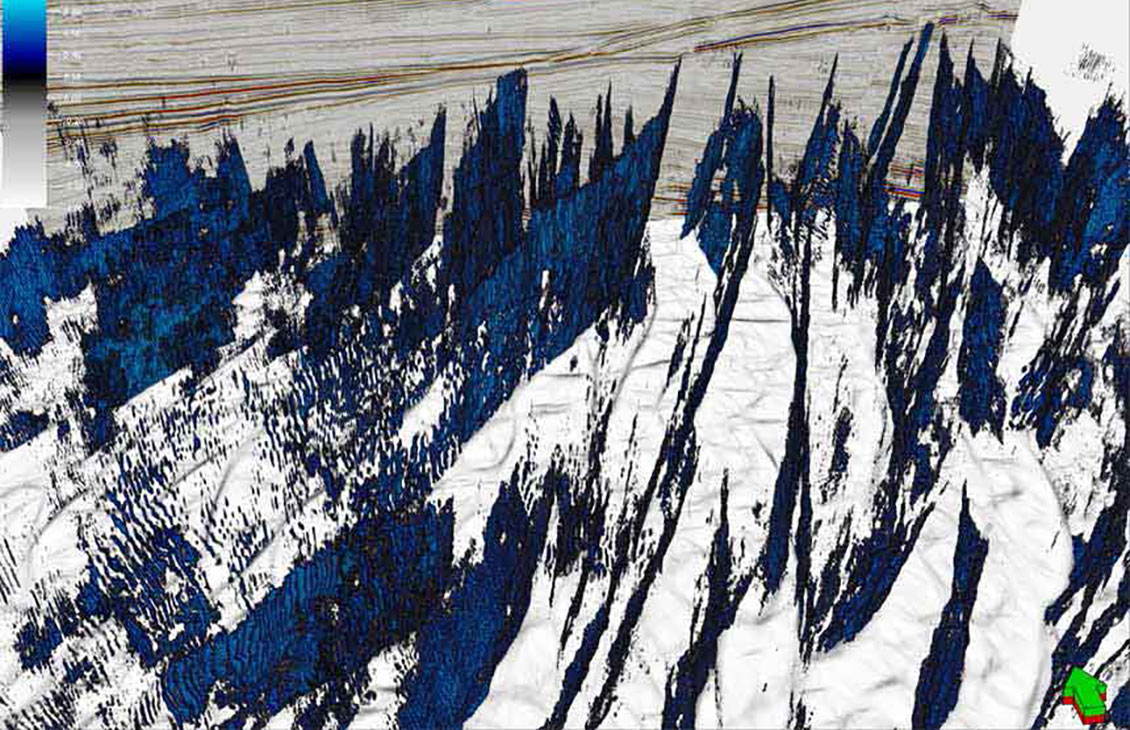
Petrel Structural Interpretation
Fast, accurate structural interpretation workflow that reduces interpretation uncertainty and delivers a confident, validated structural framework of the subsurface
-
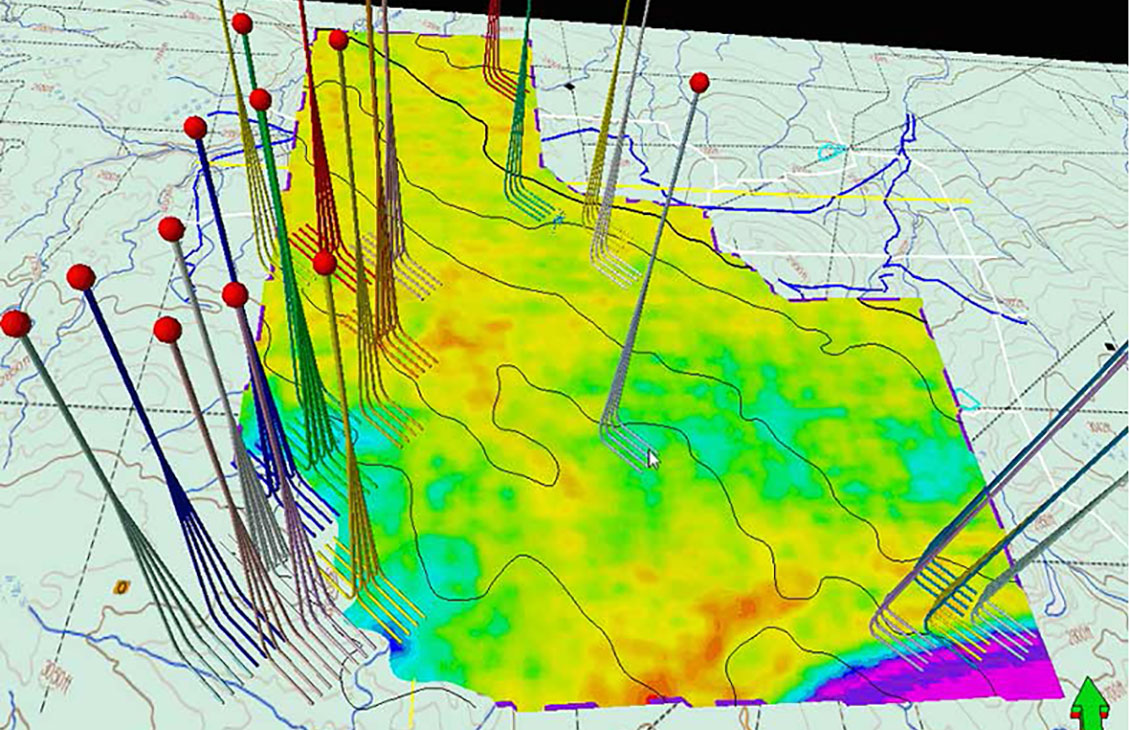
Petrel Surface Imaging
Display scanned maps, attribute maps, seismic time slices, and satellite images, draped over surfaces