
Physics-Informed AI
Simulation-quality insight with the speed and flexibility of AI
Physics-informed AI is a breakthrough hybrid model building technique, that fuses physics-based simulation and process data.
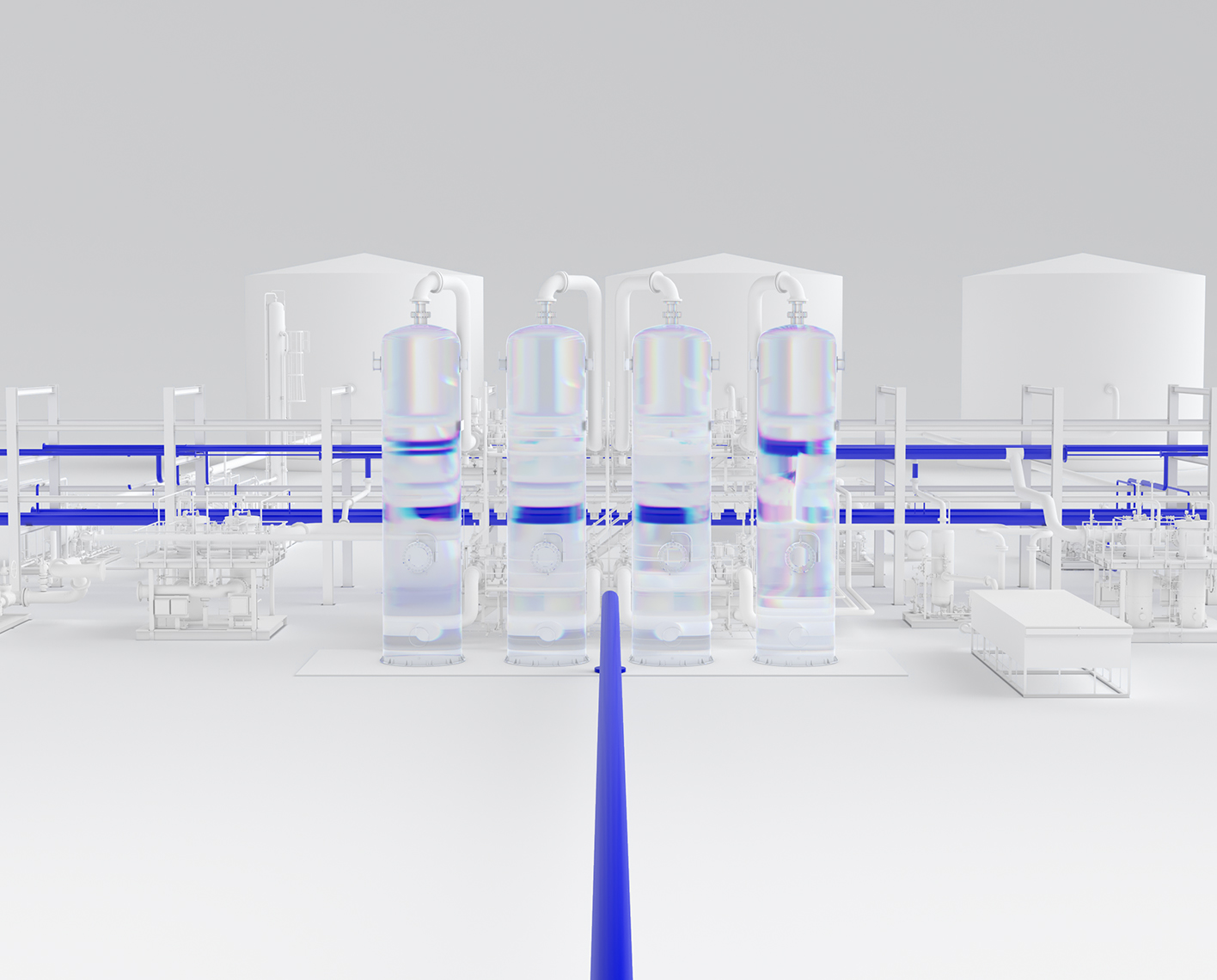
Process teams often model facilities, pipeline networks, process units and flare systems in separate tools. That fragments fluid definitions, creates data-transfer steps and makes it harder to understand how a change in one part of the asset affects the rest.
Symmetry™ process simulation software from SLB brings process units, pipelines and networks, and flare and relief systems into one environment with consistent thermodynamics and fluid characterization. Engineers can use steady-state and dynamic analysis across the model, from early concept selection and FEED through commissioning, start-up, troubleshooting, and operations.
Symmetry™ supports continuous improvement by helping maximize reliability and availability, reducing emissions and energy consumption, and optimizing economic performance. The thermodynamic engine includes more than 20,000 chemicals, 80 property packages and hundreds of unit operations. PIONA-based hydrocarbon characterization supports blending, separation, reactive systems, and the modelling of hydrates, wax, asphaltenes and hydrate inhibitors.

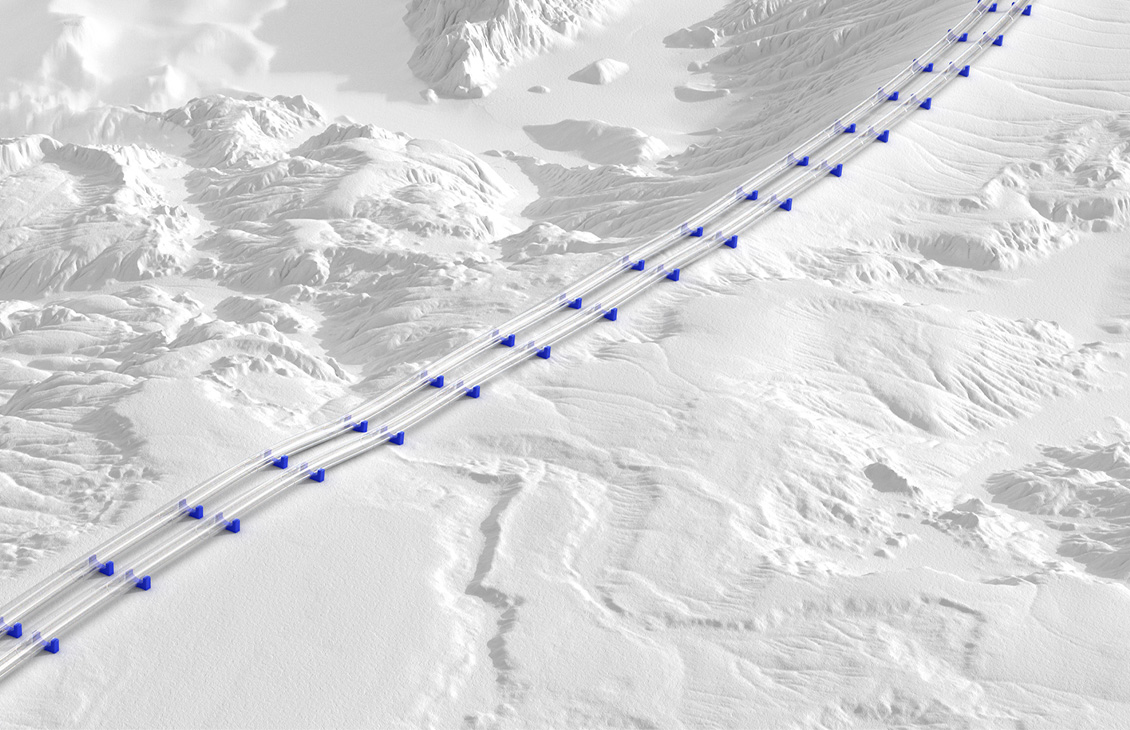
Model inflow and flow assurance workflows, predict and manage pigging and slugging, forecast field production rates, model gathering systems and pipeline networks.
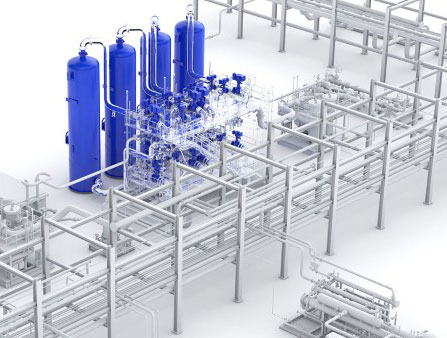
Optimize gas processing, oil and heavy oil processing, LNG and gas-to-liquids conversion, and utilities management, including steam and power generation.
Optimize oil refining, petrochemical and production, and alternative technologies such as fuel cells and gasification.
Feasibility, concept selection and detailed design for transition and alternative technologies including geothermal, hydrogen, energy storage, and carbon capture.
UN SDGs
Aligns with United Nations Sustainable Development Goals 12 and 13
Emissions reduction
Establish baseline performance and evaluate different options for reducing emissions, including reduced routine flaring, alternatives to flaring, fuel gas minimization through energy management, and feedstock management (hydrogen or bio-feed blending).
Energy consumption reduction
Applying total site energy management supports the reduction in energy consumption in facilities at all scales, from rotating equipment to entire plants. Applications are as varied as reducing fuel consumption, power generation from waste heat (energy integration), and optimizing the application of renewable power.
Symmetry software is powered by a best-in-class thermodynamic engine used for fluid representation, which is extensively validated against experimental data. The built-in database includes more than 20,000 chemicals, 80 thermodynamic property packages, and hundreds of unit operations, providing unparalleled model sophistication and precision.
The software uses a PIONA approach to model hydrocarbons, enabling process engineers to accurately simulate blending, separation, and even reactive systems. This molecular approach can accurately model the formation of hydrates, wax, and asphaltene and can accurately simulate hydrocarbon mixtures coming from different fields. The behavior of hydrate inhibitors is also accurately represented.
Comprehensive identification of specific safety concerns, from fire scenarios to equipment failures and much more, is an essential element of all operations. To enabling the mitigation of HSE and operational risks, Symmetry software provides a complete set of flare and relief system design tools that empowers users to verify the performance of entire safety systems.
The software is flexible enough to suit any application, analyzing standalone components or complete system with various levels of detail, in steady state or dynamics.
Symmetry software enables full life cycle modeling from conception to operation, which provides better options to troubleshoot performance, create FEED and start up studies, and fully optimize your system. The software offers extensive options to provide openness such as COM, OPC connectivity, CAPE open, custom interfaces and more, to enable integration with different systems, helping you fully understand your asset.


Symmetry software provides a new approach to traditional oil pseudo-component characterization techniques. Its PIONA-based fluid characterization uses chemical family structures to enable accurate physical property estimation in blending, separation, and even reactive systems to be more accurately simulated. Ensuring consistent thermodynamics and component tracking across the full system.


Symmetry 2026.2 release announcement
Explore Symmetry features in depth
Symmetry 2026.2 introduces enhanced interaction capabilities with the Tela for Symmetry software AI assistant. New interactive workflows have been added to streamline both configuration and analysis of gas dehydration process simulations and enhanced capabilities for automated case study creation.
This release includes improved prediction of mutual solubilities for key binary systems involving ethylene glycol with n-hexane, n-heptane, benzene, toluene, and methylcyclohexane, now available in the Advanced Peng Robinson for Natural Gas 2 (APRNG2) thermodynamic model.
The Amines 2 property package includes a new reaction set, Amines 2026.2. This new set contains acid-base equilibrium reactions written as the chemical dissociation of different compounds and species like water, carbon dioxide, bicarbonate, hydrogen sulfide, bisulfide and protonated alkanolamines.
Enhance your experience with expanded capabilities in the Symmetry software built-in PFD. In this release, the built-in PFD introduces support for visualization of extension unit operations.
Starting with Symmetry 2027.1 (Q1 2027), the 32-bit Symmetry installer will be discontinued. To use the latest version, all users must install the 64-bit version of Symmetry software.
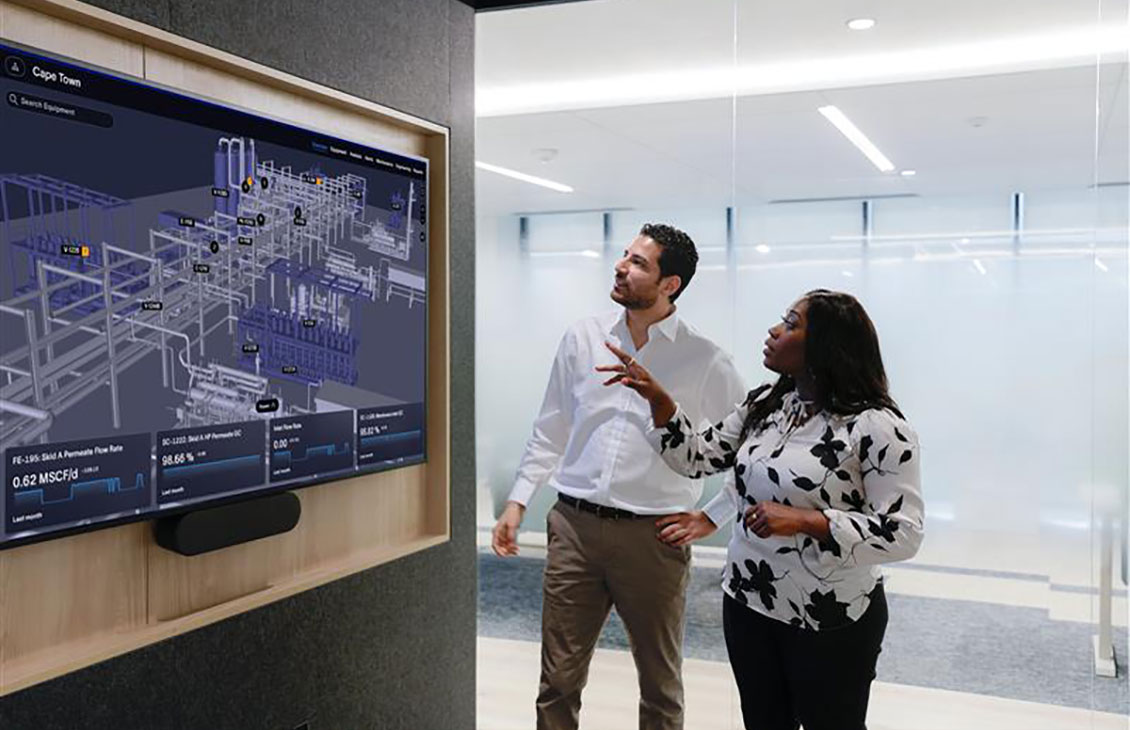
Symmetry is SLB software for modelling facilities, process units, pipelines, networks and flare systems in one environment. It applies consistent thermodynamics and fluid characterization across the model and supports steady-state and dynamic analysis.
Yes. Symmetry supports steady-state analysis for design, screening and debottlenecking, and dynamic analysis for start-up, shutdown, control, upset, throughput, pigging and slugging scenarios.
Symmetry uses a shared thermodynamic and fluid-characterization framework across Process, Pipe and Flare workspaces, allowing the same components, physical properties and phase behavior to be tracked across the connected model.
Symmetry supports upstream production and flow assurance, midstream gas processing and LNG, downstream refining and petrochemicals, utilities and energy management, and selected transition and alternative energy applications including geothermal, hydrogen, energy storage, and carbon capture.
Symmetry can be used as the simulation foundation for engineering studies, operational planning, and digital twin initiatives. By combining process, pipeline, and flare models within a consistent thermodynamic framework, teams can evaluate operating strategies, identify constraints, test what-if scenarios, and improve production, processing, and transportation performance across the asset lifecycle.
Tela for Symmetry provides structured AI-assisted workflows for supported simulation tasks. In Symmetry 2026.2 it supports selected gas-dehydration workflows and case-study creation or modification. It is a separate software package that must be installed independently.
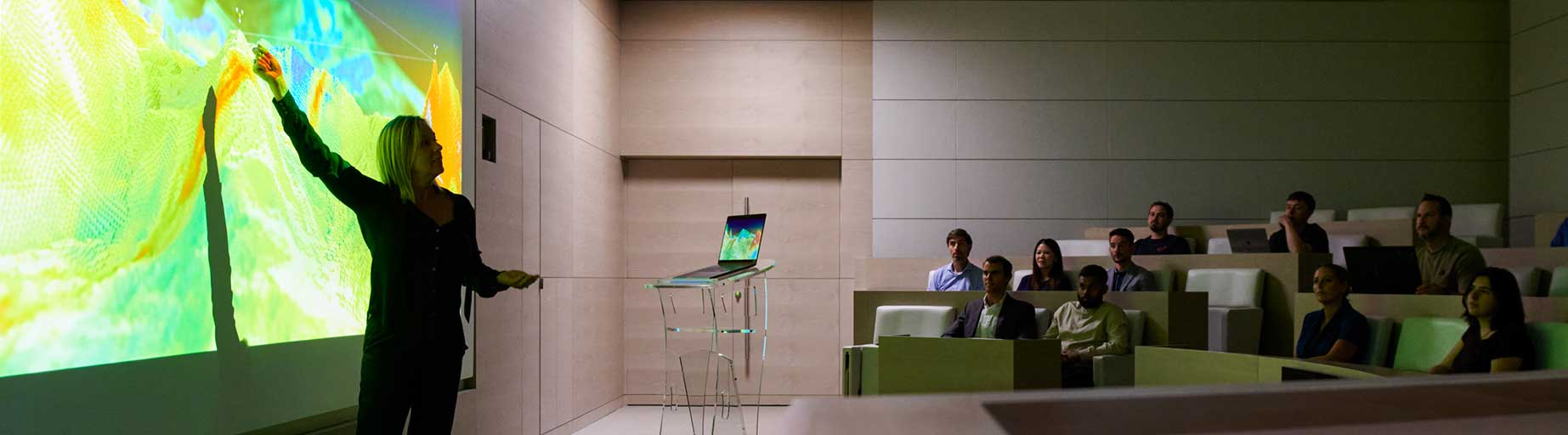
NExT offers a comprehensive training program to support users of the SLB software, plugins, and other software products.
Symmetry software provides additional competitive advantage by leveraging the Delfi™ digital platform. This provides access to more than 25 years of deep science across the spectrum, and the ability to utilize advanced AI techniques. The following Delfi workspaces are available:
Reducing software costs and making dynamic simulation affordable to companies in the process industries.
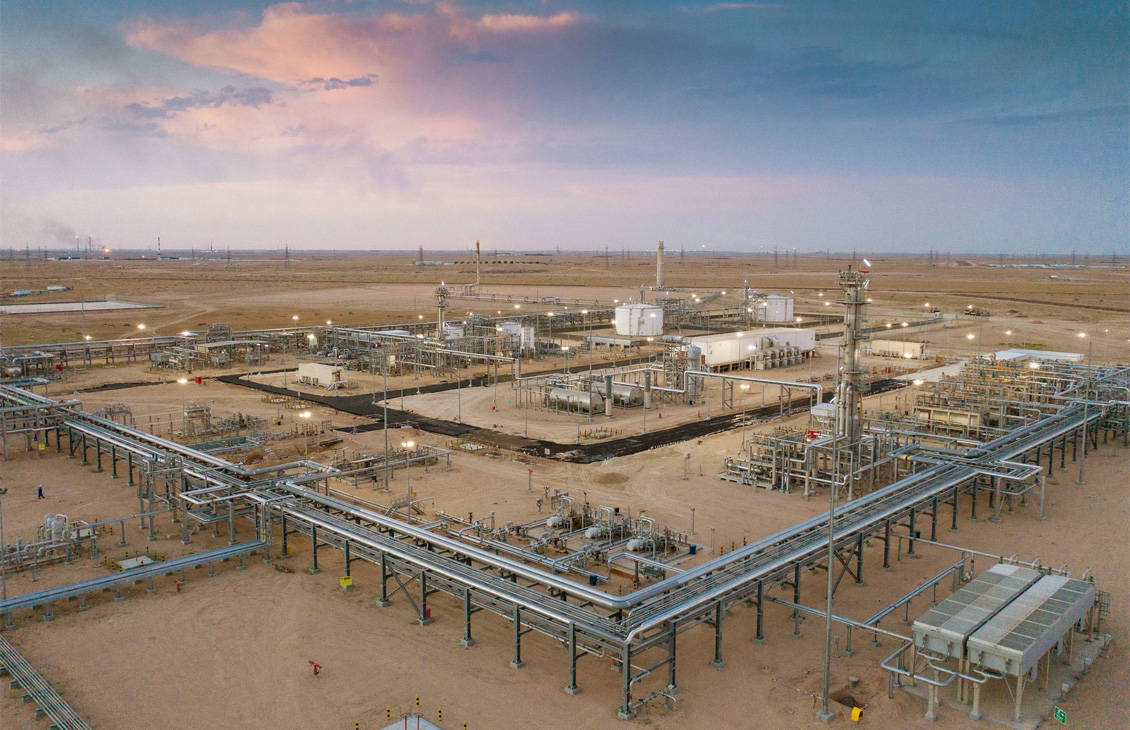
Symmetry Field Workspace models large and small gas properties.
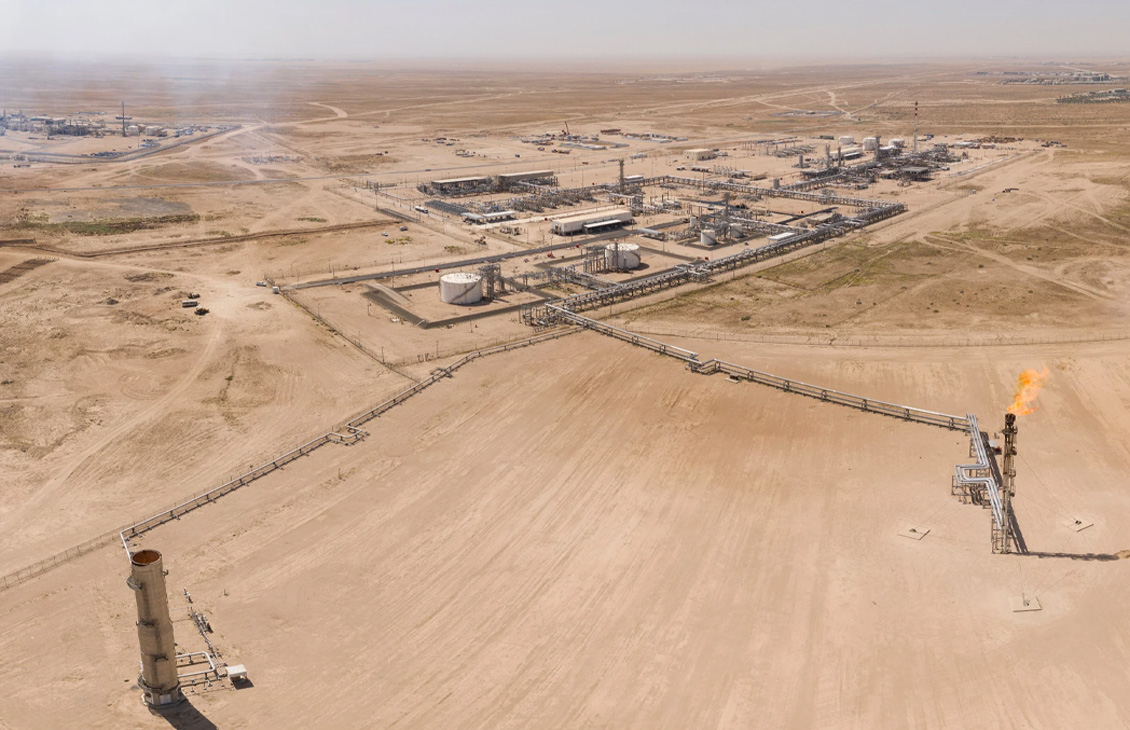
The Flare workspace empowers users to verify safety systems completely, efficiently, and rigorously.
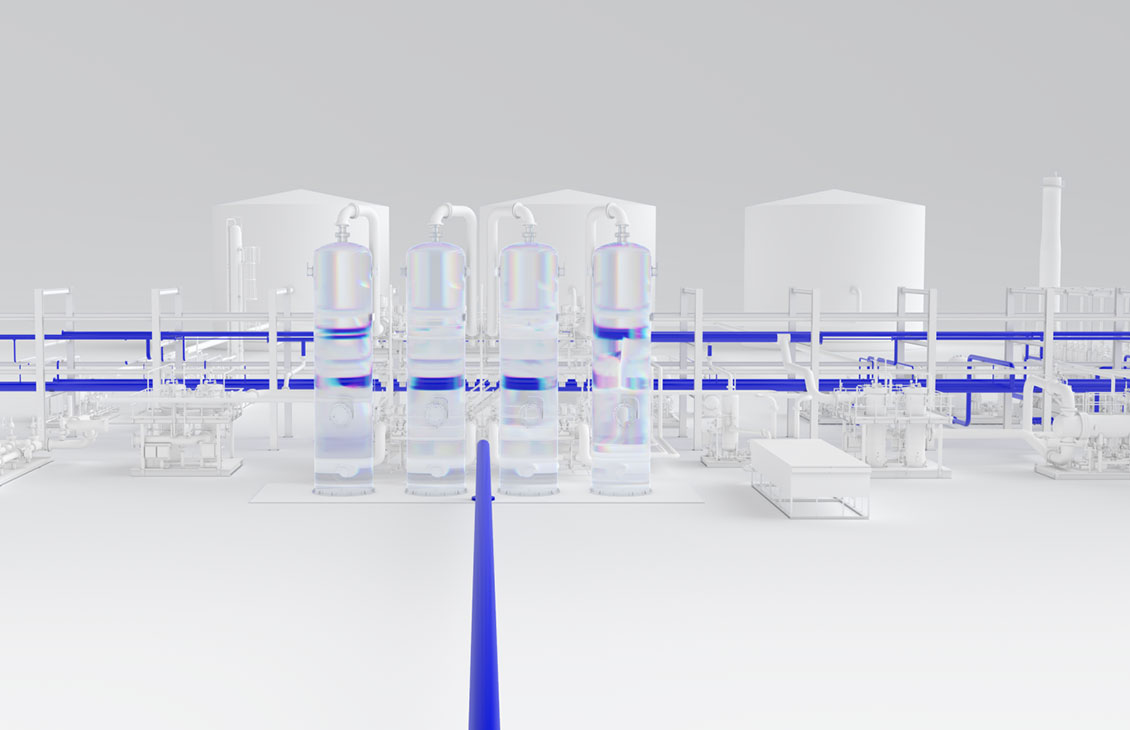
Integrated approach to optimize production.
Advancing process understanding.
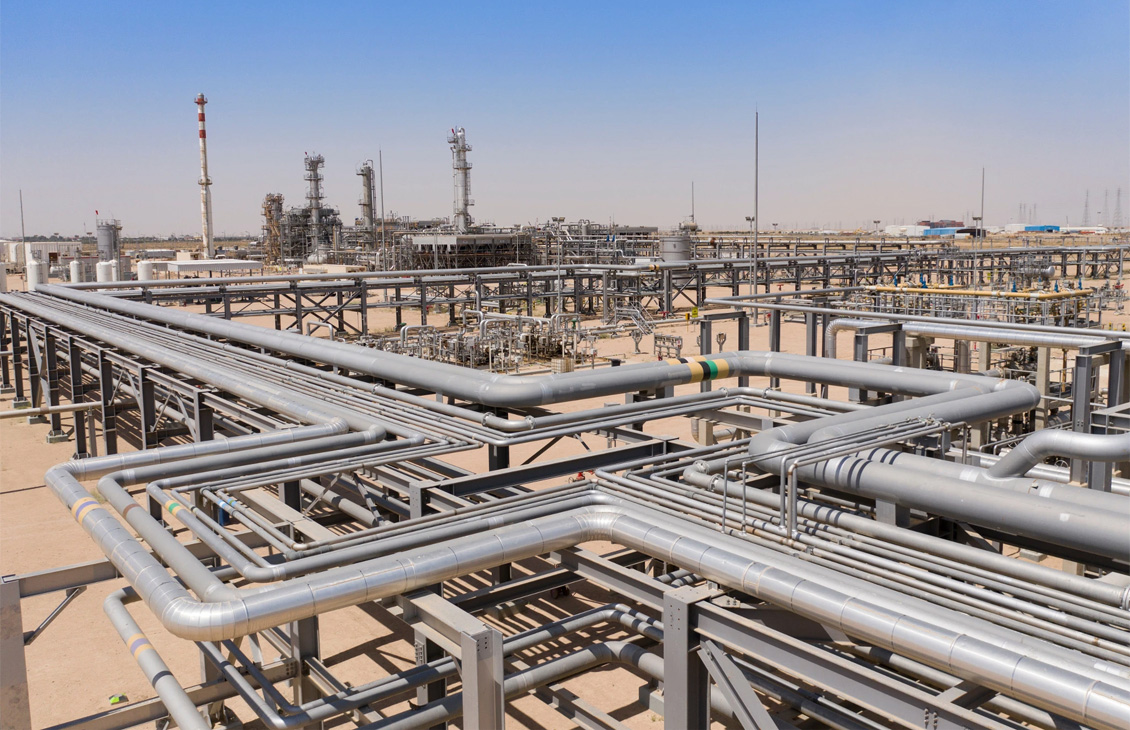
An extensively validated thermodynamics library with almost 20 years of program refinement.
Market-leading technologies integrated in the cloud focused on key domain user profiles.
Learn more