Geothermal exploration drilling
Temperature gradient, slimhole, and full-size geothermal wells to derisk exploration
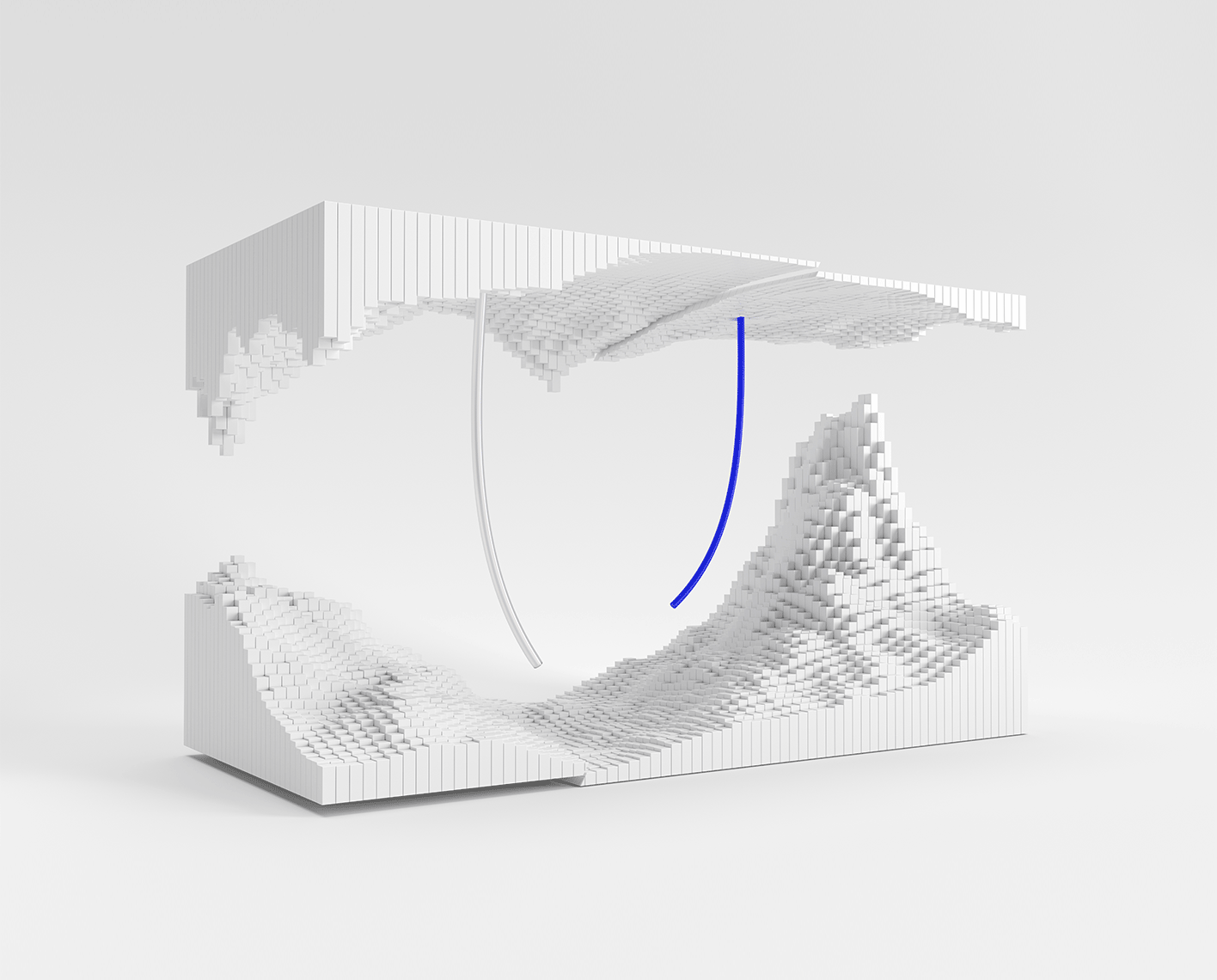

Reduce exploration risk
Geothermal energy is a powerful solution for sustainable power generation. To lower risk and improve project outcomes, developers often take a phased approach to exploration drilling—starting with targeted well types that provide critical data before major investments are made. At SLB, we can help you optimize costs and maximize your operational success by leveraging our extensive geothermal and well construction expertise.
Why a phased drilling strategy matters
Drilling full-size or appraisal exploration wells without adequate subsurface data can lead to costly failures. A phased approach using temperature (thermal) gradient (TG) wells and slim holes enables developers to reduce exploration risk, optimize drilling investments, build robust geothermal conceptual models, and make final investment decisions with confidence. This strategy is even more important for enhanced geothermal systems (EGS), where advanced techniques such as hydraulic stimulation and horizontal drilling are used to expand resource access.
Mapping the thermal profile
TG wells are shallow, vertical wells, typically 150–1,000 m deep, drilled early in the exploration phase. These wells do not tap into the geothermal reservoir, but instead enable measuring temperature changes with depth to identify thermal anomalies. They are essential for building the initial geothermal resource conceptual model, helping developers identify where deeper drilling is warranted—at a fraction of the cost of drilling full-size wells.


Direct resource characterization
Slim wells, usually with a diameter of <7 in, are drilled to depths of 1,000–2,000 m. They are designed to penetrate the geothermal reservoir and enable collecting data on temperature, pressure, permeability, and fluid composition. These wells are a powerful tool for derisking geothermal exploration, offering valuable insights at half the cost of full-size wells. They can also be repurposed for long-term monitoring or injection support.
Ready to derisk your geothermal project?
At SLB, we can help you determine the best approach to
- building and validating your conceptual resource model through the acquisition of key data
- designing and constructing the right well to facilitate the final investment decision (FID)
- developing your greenfield
- drilling makeup wells in your brownfield to increase production.
Learn how we can support you in maximizing your geothermal exploration success via expert guidance, risk analysis, and well design.
Contact us today
Related products & services
-
Geothermal Consulting Services
Exploration to due diligence servicesDelivering natural energy power that sits just below your feet.
-
Geothermal Well Construction
Technologies and services to improve drilling efficienciesImprove geothermal drilling efficiencies with solutions that perform in hard rock and high temperatures.
