Distributed Temperature Sensor (DTS)
ACTive real-time downhole coiled tubing services
Gain quantitative insight into fluid intake, zonal coverage, and treatment performance.
A horizontal water injector in a heterogeneous carbonate reservoir was experiencing poor injection conformance. Fractures, vugs, and high-permeability pathways were dominating fluid intake, causing injected water to bypass large portions of the reservoir. As a result, reservoir sweep was uneven, pressure support was inefficient, and nearby producers experienced early water breakthrough rather than sustained oil production. The operator's objective was to improve oil recovery by redistributing injected water across a broader reservoir volume rather than simply increasing the injection rate.
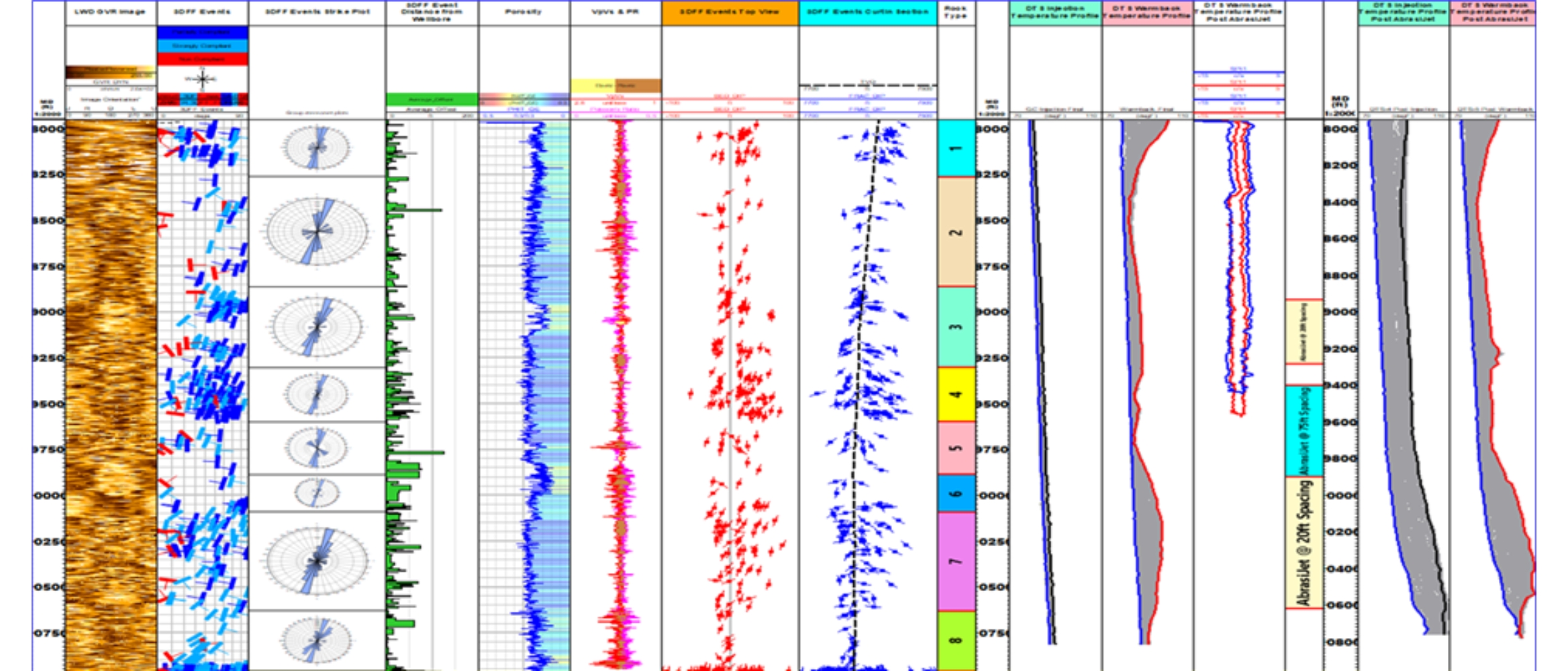
Preintervention surveillance indicated declining injectivity and uneven fluid distribution along the lateral. The distributed temperature sensor (DTS) of ACTive™ real-time downhole coiled tubing services and injection logging identified a dominant intake pathway, but additional reservoir characterization was needed to determine whether the response was matrix-driven or associated with secondary porosity features extending away from the wellbore. The operator and SLB therefore adopted a D2R approach focused on reservoir diagnosis, thief-zone mitigation, and selective stimulation of underperforming intervals.
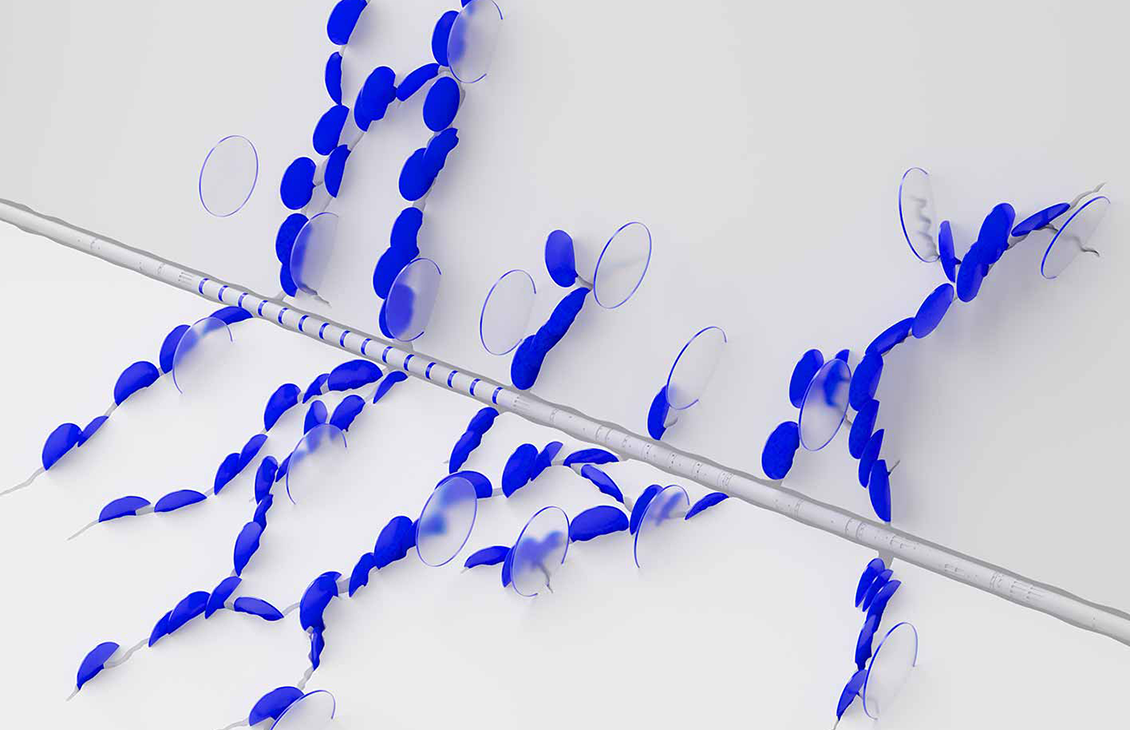
SLB implemented an integrated D2R workflow that combined ACTive DTS, inline spinner injection logging, and 3D far-field sonic service to identify fluid-entry behavior and map faults, fractures, and vug-related features beyond the wellbore. By integrating these datasets, the team identified a dominant thief zone in the deeper portion of the open hole and developed a targeted conformance treatment strategy.
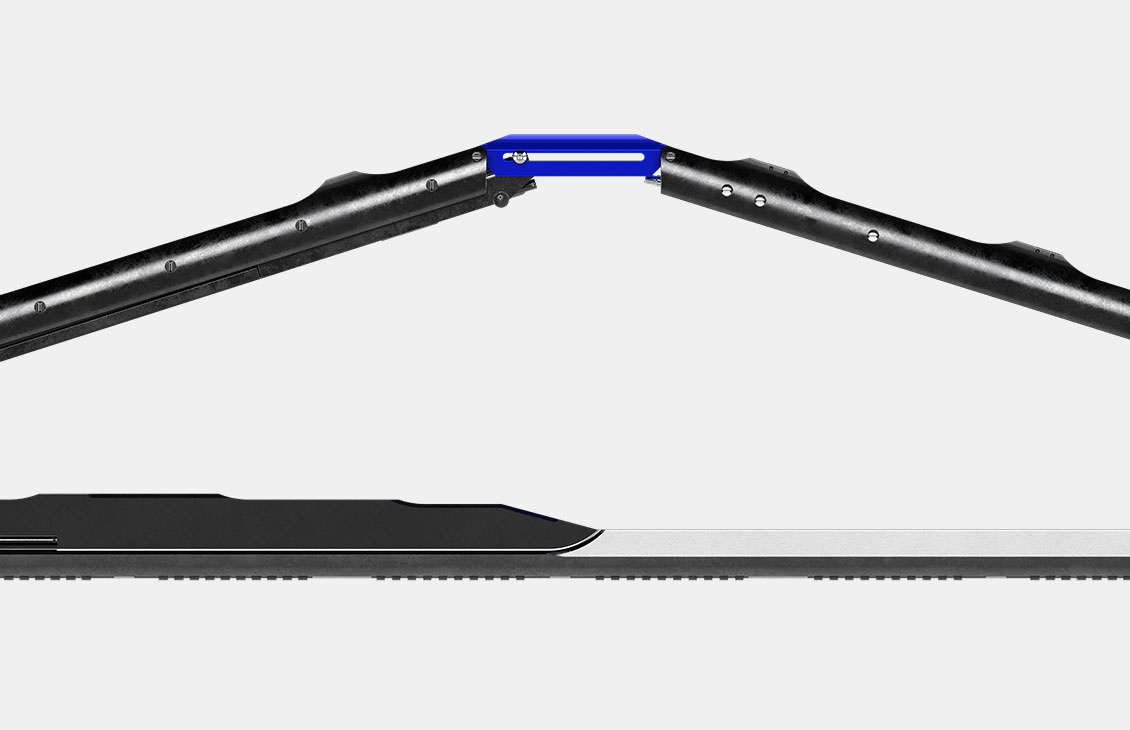
The remediation program combines two complementary actions. First, water-shutoff treatments were applied across the dominant high-intake thief zone to reduce flow through the preferential pathway. Second, ABRASIJET™ hydraulic pipe-cutting and perforating service was used to selectively stimulate lower-intake intervals higher in the lateral with engineered retarded acid using OpenPath Reach™ extended-contact stimulation service and OpenPath Sequence™ diversion stimulation service. This approach redirected injection into reservoir intervals that previously received limited water support.
Posttreatment surveillance confirmed a significant change in injection behavior. The water injection rate increased from approximately 4,600 bbl/d to 10,080 bbl/d while bottomhole injection pressure decreased from approximately 5,190 psi to 3,026 psi. The results indicated improved injectivity and more effective distribution of injected water throughout the reservoir. DTS data verified increased contribution from upper and middle sections of the lateral and demonstrated broader reservoir contact.
The improved injection profile generated a strong production response in a connected producer that had previously been producing at nearly 100% water cut and had been shut in. Following the treatment, the producer returned to production with an initial oil rate gain of approximately 1,825 bbl/d and later stabilized at approximately 1,725 bbl/d with only 9% water cut. Additional nearby wells also showed incremental oil gains and improved reservoir support.
The intervention demonstrated that injector conformance can directly improve reservoir performance and oil recovery. Subsequent surveillance showed sustained injector performance, and the workflow was expanded to additional injector candidates, establishing a repeatable reservoir-conformance strategy for heterogeneous waterflood environments.