

Premium
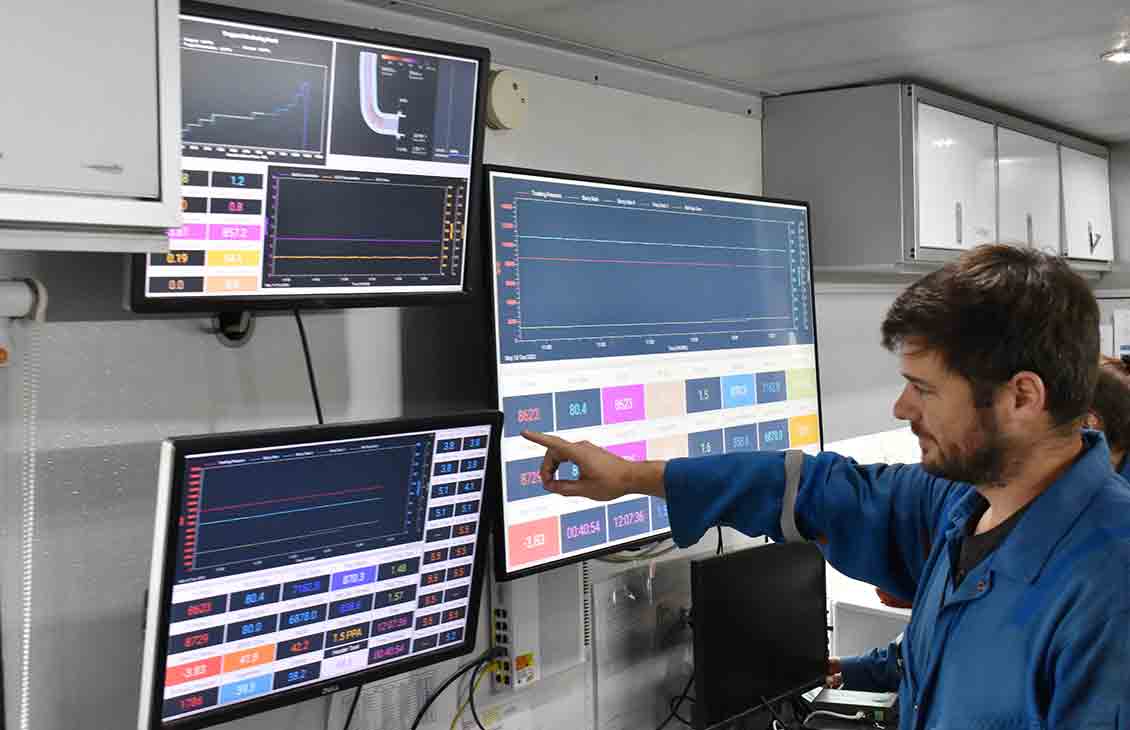
FracCAT-X
Fracturing computer-aided treatment system
Next-generation stimulation, job execution, and real-time monitoring software.

During stimulation, missing or unexpected downhole events can lead to remedial operations, schedule delays, and lost production from a zone. WellWatcher Stim™ stimulation monitoring service helps teams optimize fracturing, acidizing, and other well operations by analyzing high-frequency pressure pulse data to rapidly detect and confirm downhole events near real time.
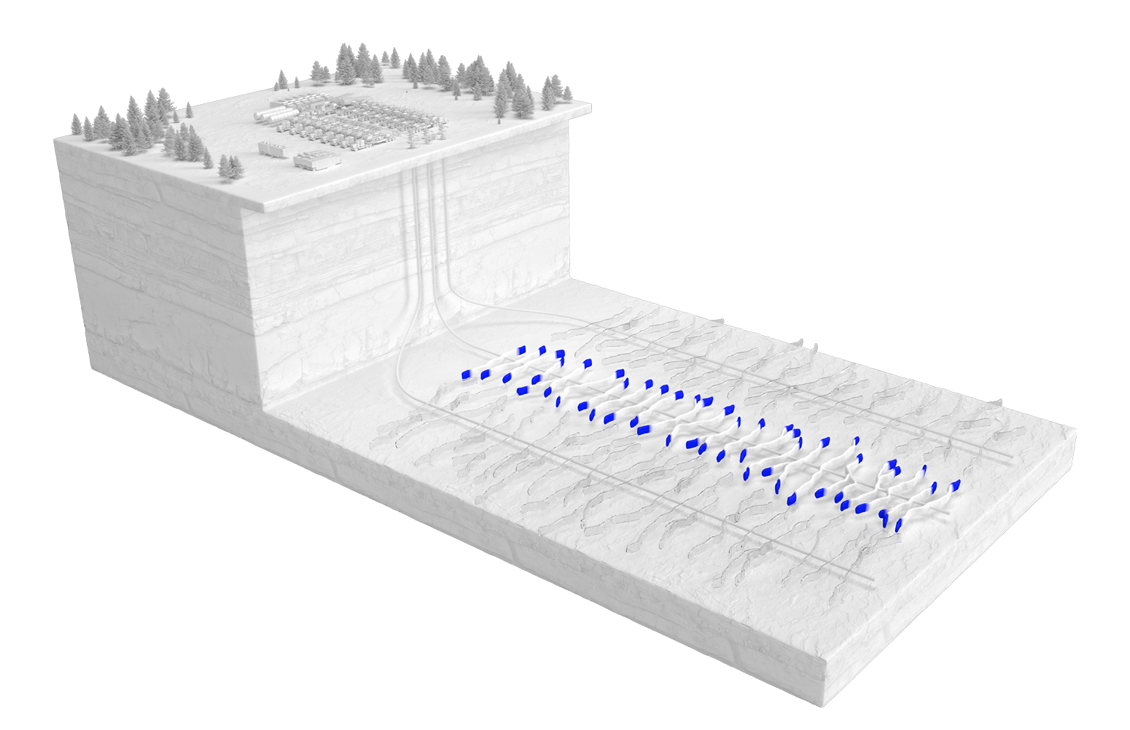
The service supports multiwell monitoring to identify well-to-well communication, enabling real-time decisions to minimize the detrimental effects of frac hits and stress shadowing.
WellWatcher Stim service is used during a wide range of completion and stimulation operations where rapid confirmation of downhole events is critical, including plug-and-perf operations, ball-drop and ball-seat confirmation, multistage hydraulic fracturing, diversion stimulation treatments, and real-time monitoring of offset wells to identify well-to-well communication during stimulation.
The service enables operators to optimize stimulation execution by confirming downhole events as they occur, reducing uncertainty during pumping operations. Early identification of missing or unexpected events helps minimize the need for remedial interventions and supports faster operational adjustments.
By detecting well-to-well communication and stress shadowing effects, WellWatcher Stim service helps protect offset wells and preserve planned completion strategies, while maintaining a minimal operational footprint and avoiding disruption to ongoing operations.
High-frequency pressure pulse data acquired at surface are analyzed to detect and verify downhole stimulation events with high confidence. The service supports multiwell monitoring to identify communication between wells during stimulation and provides reliable event detection at depth, with field-proven performance in long horizontal wells.

The service provides a cost-effective way to monitor and confirm downhole stimulation events by relying on surface-acquired pressure pulse data. This approach avoids the need for additional downhole hardware while still delivering reliable insight into wellbore behavior during stimulation, helping operators manage costs without compromising decision quality

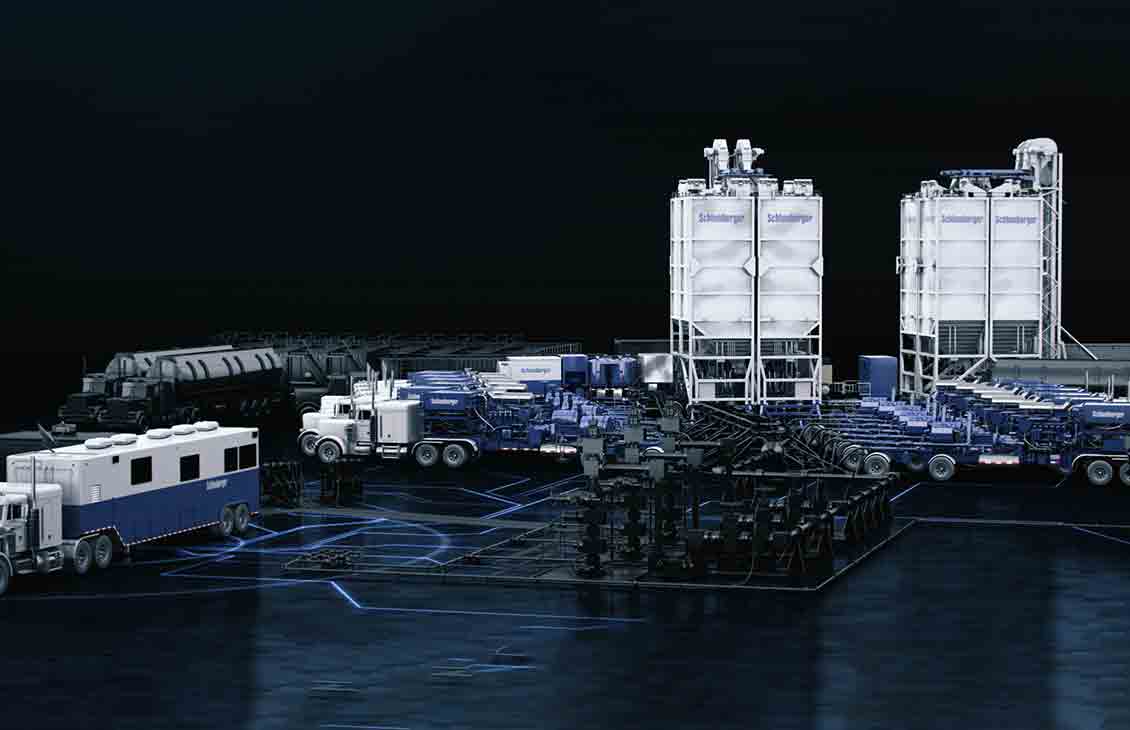
WellWatcher Stim service requires a minimal surface setup and integrates seamlessly with existing stimulation operations. The limited equipment footprint reduces logistical complexity on location and supports efficient deployment, even in space-constrained environments

Monitoring is performed while stimulation operations are ongoing, without requiring pauses, changes to the pumping schedule, or additional intervention. This allows teams to gain downhole insight in near real time while maintaining operational continuity and execution efficiency
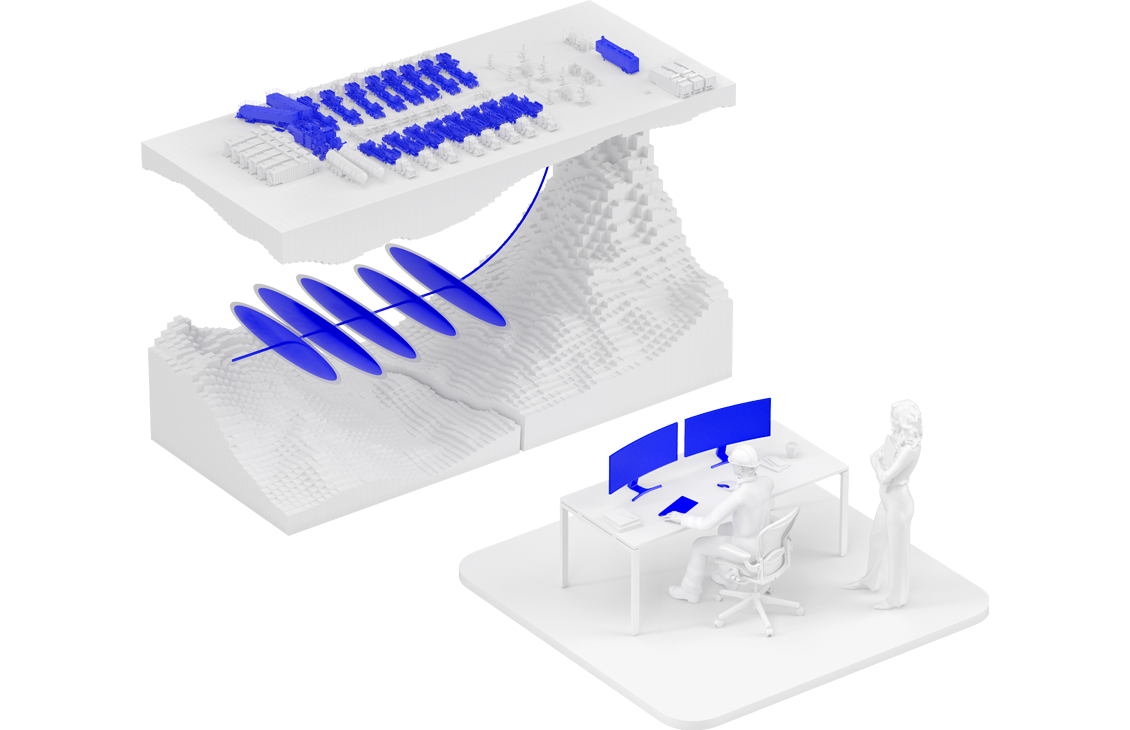
During pumping operations, pressure pulse generated at surface travel downhole and back at predictable velocity. When these pulses encounter changes in wellbore geometry, fractures, or restrictions, a portion of the signal is reflected back to surface.
Proprietary algorithms analyze these returning signals to identify the timing and location of downhole events such as ball landing, sleeve opening, diversion, or fracture interaction with offset wells. The decoded results are then made available to operations teams during execution, enabling timely adjustments based on confirmed downhole behavior.
The service can confirm events such as actuation ball landing, frac sleeve opening, plug setting, fluid entry into the reservoir, diversion behavior, and stimulation interference with offset wells.
No. WellWatcher Stim service uses surface-acquired pressure pulse data and does not require additional downhole equipment or interruption to stimulation operations.
Yes. The technology has been field-proven in wells up to 20,000 ft measured depth, with reliable event detection and localization accuracy.
