Solutions
Reservoir stimulation: higher recovery, more productive wells, lower variability
SLB helps operators improve well productivity, optimize stimulation treatments, and reduce variability through integrated stimulation optimization, fracturing, acidizing, and water management services.


Challenge
Disconnected workflows leave production in the ground
Stimulation outcomes still vary from well to well and stage to stage. Planning, execution, and post-job analysis often run as separate workflows, so teams must react to surprises during pumping, including frac hits between offset wells, missed stages, off-spec proppant placement, and stranded reservoir contact.
The result is recovery left behind, capital tied up in underperforming wells, and design assumptions that take a full campaign to validate.
SLB connects reservoir understanding, stimulation engineering, and digital execution into one continuous workflow. From design in Kinetix™ reservoir-centric stimulation-to-production software through real-time decisions in the field and post-job diagnostics, every stage informs the next—so each well, pad, and field iterates toward higher recovery and lower operational risk.
- Stimulation optimization: Integrated modeling and monitoring connect design assumptions to execution data and post-job results, compressing the learning cycle across pads and campaigns.
- Fracturing services: Engineered fracturing fluids, proppant systems, and fiber-based diversion improve production from low-permeability, unconventional, and conventional reservoirs.
- Acidizing services: Matrix and fracture acidizing with tailored acid chemistry, retardation, and diversion optimize carbonate and sandstone reservoir productivity.
- Water management: Conformance, scale control, and water shutoff solutions reduce water-related costs and extend producing-well life.
- Fracturing and flowback equipment: Automated frac and flowback equipment lowers fuel consumption and emissions while supporting reliable, efficient well cleanup.
Case Studies
Outcomes that show up in the production curve
SLB stimulation programs are measured by what the well delivers after flowback, not by how the job pumped. Across mature carbonates, tight oil, and unconventional plays, SLB customers have used integrated stimulation to restore lost production, lift recovery from infill wells, and protect offset assets from frac-driven interference.
Oil_Barrel
22% more oil than slickwater
An Eagle Ford infill well field study showed fiber-based channel fracturing fluid delivered 22% more oil than slickwater, improving production performance and recovery.
Reset_Exposure
900 bbl/d average production restored
In Libya’s Gargaf reservoir, OneSTEP EF™ efficient, low-risk sandstone stimulation solution combined with fracturing to restore 850 bbl/d, then scaled to wells averaging 900 bbl/d.
Eco
25% lower treatment carbon intensity
Hiway Flex™ customizable flow-channel fracturing technology lowers treatment carbon intensity by up to 25% and uses up to 40% less proppant, simplifying logistics and treatment delivery.
Burst_Mode
Thousands of scenarios evaluated
Kinetix software uses automated parallel processing to evaluate well spacing, completion, and treatment design scenarios in hours rather than weeks.
Capabilities
Engineering and digital depth behind every stimulation decision
SLB Reservoir Performance teams combine completions engineers, reservoir engineers, and field operations specialists with a broad stimulation portfolio. Decision-making is anchored in models, telemetry, and field data not just experience and the toolset is matched to the formation, completion design, and economic goal of each well.
Dive Deeper
Explore stimulation where it fits in your program
Stimulation impact comes from matching the treatment, equipment, and intelligence to the reservoir. These SLB technologies help operators control fracture growth, improve conductivity and reservoir contact, protect offset wells, stimulate high-temperature carbonates, and execute offshore jobs in extreme environments. Digital monitoring and connected workflows add near-real-time visibility for faster decisions, while efficiency-focused systems reduce idle time, fuel use, fluid demand, and rework. The result is more predictable stimulation, stronger production potential, and lower operational intensity across the well life cycle.

BroadBand Shield
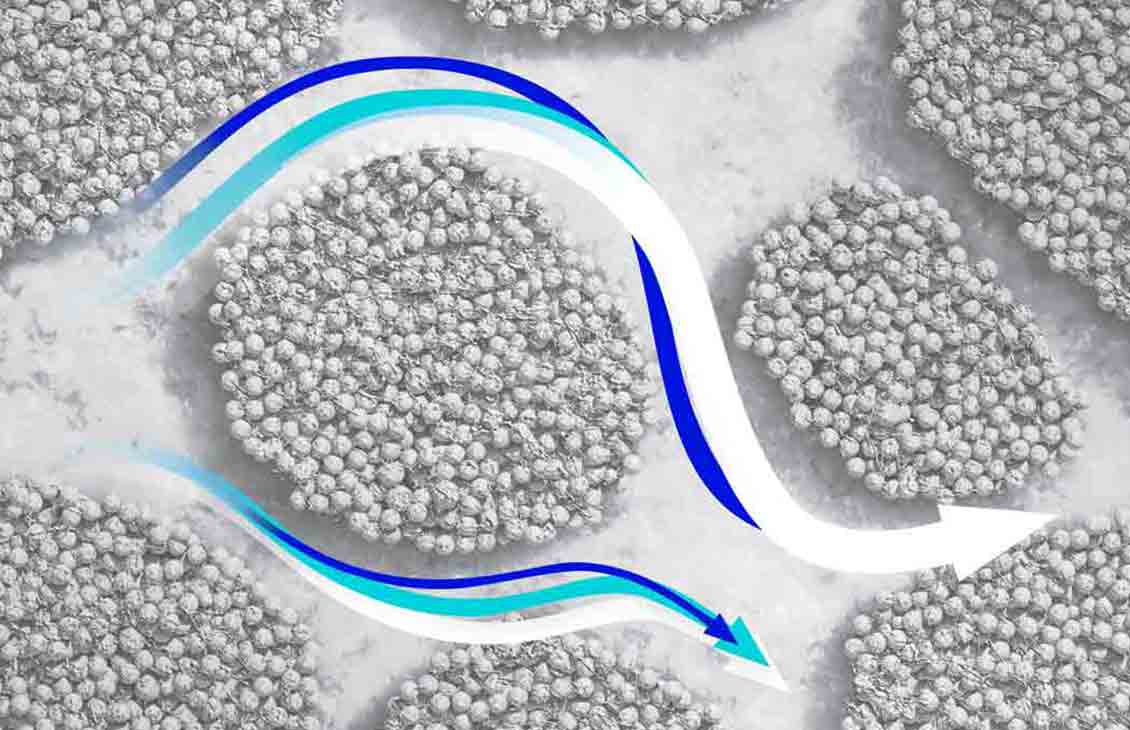
Constrains fracture growth with far-field diversion for optimized reservoir contact
Hiway Flex
Customizable flow-channel fracturing technology

DeepSTIM
Deepwater stimulation vessels

CableShield Wireline-Compatible Acid

OpenPath Flex
Customizable acid stimulation service

StimOps
Stimulation performance solutions

WellWatcher Stim
Stimulation monitoring service

PumpIRIS pump idling reduction intelligent

DeepSTIM
Stimulation vessels

Intelligent Well Stimulation
Maximize production with actionable subsurface insights to guide drilling, fracturing, and lateral stimulation


Plan smarter stimulation

Bring an SLB stimulation engineer into your design conversation. SLB will map your reservoir, completion, and performance goals to the right combination of services, from planning through post-job analysis.

Technologies for stimulation performance
Every reservoir requires a stimulation approach matched to its rock properties, completion design, production goals, and operating conditions. Explore the SLB technologies, services, and integrated workflows that help operators improve stimulation efficiency, enhance production, manage water, and deliver more reliable operations.
Stimulation optimization
Maximize stimulation and completion efficiency with integrated modeling and monitoring
Acidizing services
Fracture or matrix stimulation for enhanced production from carbonate reservoirs
Water Management
Minimize water-related costs and extend the lifetime of your producing wells
Unity integrated frac plug and perf gun system
For pump down perforating services
Frequently asked questions about reservoir stimulation
How does SLB reduce frac hits between offset wells?
SLB combines real-time pressure monitoring with far-field diversion to protect offset well productivity during fracturing. WellWatcher Stim service detects well-to-well communication and stress shadowing during the job by analyzing high-frequency surface pressure data, while BroadBand Shield service constrains fracture growth before damage propagates. Together they help customers preserve planned completion strategies and protect offset well productivity across pads.
What's the best stimulation approach for carbonate reservoirs?
The optimal approach depends on damage type, reservoir temperature, and well geometry, which is why SLB acidizing services include matrix acidizing, fracture acidizing, and customizable systems such as OpenPath Flex service for high-temperature wells. SLB engineers match acid chemistry, retardation, and diversion technique to the specific carbonate rather than applying a single formulation. Case studies from Kuwait’s Mauddud reservoir and Libya’s Harash field show how this approach restores production in carbonates that earlier treatments could not reach.
Can stimulation carbon intensity be reduced without sacrificing production?
Yes—lower-intensity stimulation is now a measured outcome, not a trade-off. Hiway Flex technology lowers treatment carbon intensity by up to 25% by using up to 40% less proppant compared with conventional fracturing, while PumpIRIS pump idling reduction intelligent system cuts pump idling by up to 75%, lowering fuel use and CO2 emissions across the frac spread.
How does real-time stimulation monitoring change job execution?
Real-time monitoring shifts decisions from post-job to in-job. With Kinetix RT real-time stimulation optimization software and WellWatcher Stim service, SLB teams confirm downhole events: ball seats, sleeve openings, fluid entry, and fluid diversion as they happen and adjust pump schedules, diversion, or stage isolation on the fly. The result is fewer surprises, fewer remedial trips, and better-placed stages.
What stimulation case study results can I reference?
SLB stimulation programs report quantified outcomes across reservoir types. In Libya's Gargaf reservoir, a two-stage approach combining OneSTEP EF efficient, low-risk sandstone stimulation solution and hydraulic fracturing restored the first well from 0 to 850 bbl/d. The workflow was then applied across five additional wells, achieving a six-well average of 900 bbl/d per well.

