When offshore promise unlocks human potential

When I joined SLB just over a year ago, many people were curious about my transition to the energy sector. After all, I spent most of my career in finance, investment analysis, and capital markets. Moving into energy wasn’t the most obvious next chapter.
But the more time I spend in this industry, the more familiar it feels.
Not because of the technical side of the business.
Because of the people.
Growing up in Namibia, I started school at the age of 12. By then, many of my peers had already spent years in the classroom. I was late by every conventional measure. Yet that experience taught me something I have carried throughout my life: Potential and opportunity aren’t always visible at first glance.
Today, as I look at Namibia's energy journey, I often think about that lesson.
It's a perspective I often return to as Namibia's offshore discoveries continue to draw significant international attention. What excites me just as much is the opportunity those discoveries create above ground.
The young engineer preparing for her first role.
The entrepreneur building a business capable of supporting this industry.
The energy professional whose potential has yet to be fully realized.
From an investment perspective, sustainable value is never created by resources alone. It comes from building the capabilities that allow people and businesses to participate, grow, and compete long-term.
That’s why conversations about technology, digital capability, education, and local supplier development matter so much. They aren’t separate from Namibia's energy future. They’re central to it.
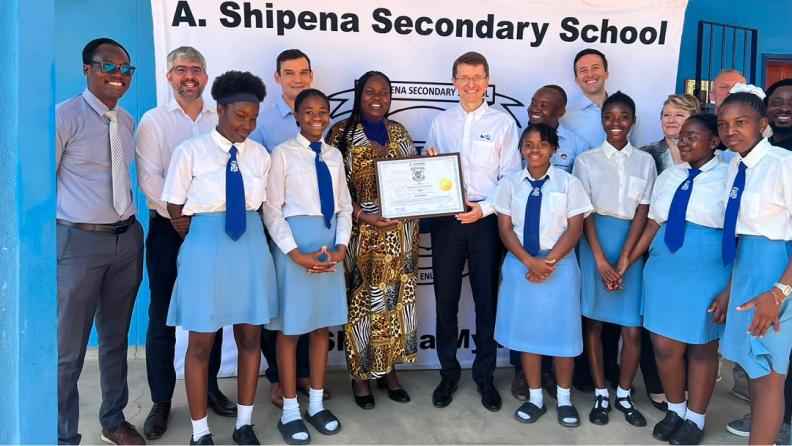
Over the past year, I've come to appreciate that while every energy market has its own context and ambitions, there’s immense value in drawing on lessons learned elsewhere and adapting them to local realities.
That’s something I see every day at SLB.
As we celebrate 100 years globally, I’m reminded that one of the most valuable things we bring is experience. Experience gained across different energy markets, cultures, and stages of development, which in turn creates opportunities to apply those lessons locally in meaningful ways.
In Namibia, that means investing in local talent, supporting local businesses, and helping build the capabilities required for long-term growth.
Investing matters because the real opportunity lies in developing those capabilities before demand peaks. It also helps us embed the technologies, skills, and ways of working that will shape the industry's future.
I've experienced firsthand what can happen when potential is recognized and given room to grow. That experience has shaped how I think about leadership, opportunity, and development.
And for me, that’s what gives this chapter its purpose: being part of a journey shaping an industry and preparing the next generation to shape it, too.

