Rise of the domain engines: Translating expert knowledge into wellsite intelligence
Published: 08/13/2026
Rise of the domain engines: Translating expert knowledge into wellsite intelligence
Published: 08/13/2026
Two SLB veterans discuss how decades of engineering expertise, physics-based science, and operational experience are being embedded in domain engines to tackle some of the industry's toughest challenges
After more than 40 years in the energy industry, Drilling Advisor Jim Belaskie, has seen drilling shift from a largely analog discipline into one powered by automation, advanced modeling, and real-time data. Similarly, Ashley Johnson, well construction science advisor, has spent more than three decades solving some of the most complex technical challenges in the sector, turning breakthroughs in R&D into practical solutions for the field.
Together, they have helped shape the domain engines that are transforming global energy operations, combining physics, data, and decades of expertise to enable faster, safer, and smarter decision making.
So, Jim, Ashley, what exactly is a domain engine?
JB: From a drilling perspective, a domain engine combines engineering principles, drilling dynamics, physics and real operational data. It's about understanding how a system should behave, comparing that with what's actually happening, and then using that information to improve performance, safety and decision making.
AJ: People often think a domain engine is simply software, but it's much more than that. It's a way of delivering expertise. We take the knowledge of some of our most experienced engineers and scientists and make it available to people working under immense pressure in the field.
Why is drilling such a difficult environment to automate?
AJ: Most industries automate by removing uncertainty. Manufacturing is a good example—the goal is for every product to come out exactly the same.
Drilling is completely different.
Every well is different. The geology changes. The fluids change. The equipment changes. We rarely drill the same configuration twice. Rather than eliminating uncertainty, we have to learn how to work with it.
I often use an example from when we collaborated with engineers from McLaren Formula One.
They explained that one of their biggest uncertainties is whether it rains. That's a challenge, but it's nothing compared with drilling, where the environment is constantly changing and much of what matters is happening thousands of feet underground.
JB: That's what makes domain engines so valuable. They have to provide consistent answers despite all those variables. If you're using a system to support rig control and automation, reliability is essential. We've spent years making these engines robust enough to deal with bad data, sensor spikes and operational changes without producing unacceptable recommendations.
How has technology changed since the early days? What's possible now that wasn’t before?
JB: I’d say the biggest change has been computing power and access to data.
Forty years ago, we were working with a fraction of the information available today. Now we're collecting and processing data in real time at a scale that simply wasn't possible when I started my career.
That has dramatically improved our ability to model drilling operations and understand what's occurring downhole.
AJ: I think one of the biggest breakthroughs came from high-frequency measurements.
Around 2017, we started seeing failures that we couldn't fully explain. Equipment was cracking and components were being damaged, but the measurements available at the time weren't detailed enough to show us why.
When high-frequency data became available, suddenly we could see phenomena that had previously been invisible. I often compare it to the difference between watching an old black-and-white television and seeing modern high-definition video. We were finally able to understand what was actually happening downhole and start solving those problems.
Following on from that thought, we are now living in the era of big data—does access to more information necessarily lead to better decisions?
AJ: Surprisingly, no.
A drilling engineer or driller is making decisions under time pressure. They don't want to look through thousands of measurements and complex visualizations. They need to know what's happening, what risk exists and what action they should take. That's the role of the domain engine—it transforms large amounts of data into actionable insights.
JB: Exactly. The value isn't in showing every data point. It's in providing context and helping answer the question: "What's the best thing to do next?"
Where do you think domain engines create the biggest value?
JB: The obvious answer is performance, because it's the easiest thing to measure! Customers can immediately see improvements in drilling efficiency, but the value goes much deeper than that. Over time, you also see reductions in operational risk, fewer incidents, and better overall consistency. And those benefits become very significant when you look across large numbers of wells.
AJ: For me, the biggest value is that domain engines allow us to do things that were previously impossible. Every time we solve a drilling problem, we remove a constraint. Then the industry immediately pushes the boundaries further. Wells become deeper. Laterals become longer. Trajectories become more complex. The technology doesn't just make today's operations better, it enables tomorrow's operations.
With that burgeoning complexity in mind what do you think’s stopping domain engines from scaling faster?
AJ: Trust. The people at the wellsite have years of experience. They understand their fields and operating environments. If you arrive with a new model and tell them they're wrong, you're going to fail.We have to listen to the people doing the work. They have observations and experience that are incredibly valuable. The best domain engines emerge when operational knowledge and scientific understanding come together.
JB: I think data quality remains another challenge. The industry does a reasonable job managing depth-based data, but handling time-based data consistently is still difficult. Data arrives from multiple sources, often with different frequencies and different levels of quality. By the time it reaches a domain engine, a lot has already happened to it.
Improving data quality throughout the industry would unlock even greater value from these systems.
It's hard to talk about software in today's landscape without bringing up AI—what role do you think it will play going forward?
JB: AI has huge potential, particularly in helping us extract knowledge from large amounts of information.
Daily reports, operating procedures and historical records contain an enormous amount of context that could be made available much more effectively. That said, I still view AI outputs the same way I would the work of a junior engineer. They're incredibly helpful, but they need to be reviewed and validated.
AJ: The most important issue is explainability. People don't trust black boxes. If a domain engine makes a recommendation, users need to understand why. The technology must not only provide an answer but also justify that answer. That's how confidence is built, that trust I was alluding to earlier.
Gents, final question: what do you think domain engines will look like in 10 years?
AJ: I think we'll see much greater integration across disciplines. Instead of drilling a well and handing it to a production team, we'll increasingly optimize the entire life cycle from the start. Future domain engines will help us drill wells that aren't just easier to construct, but that perform better over their entire productive life.JB: For me, the exact challenges ahead are difficult to predict because every time we solve one problem, another emerges. But what gives me confidence is the industry's track record.
Time and again we've tackled challenges that once seemed impossible. The combination of engineering expertise, operational experience and increasingly sophisticated domain engines will continue pushing performance forward.


Related resources
-

DrillPlan
Coherent well planning solutionProduce better-quality drilling programs in minutes.
-

DrillOps advisory and DrillOps automation
Let AI driven workflows execute autonomous operationsLet AI driven workflows execute autonomous operations.
-
DrillOps predictive analytics
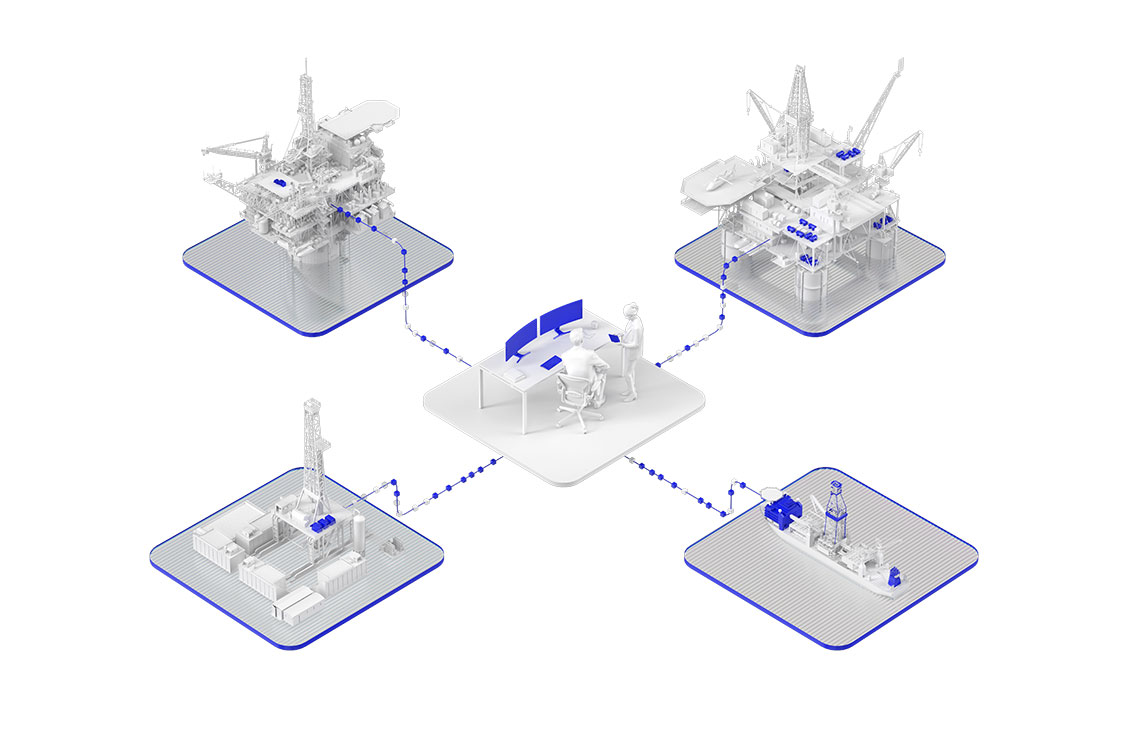
An intelligent, automated, real-time multi-well monitoring alarm based advisory system, detecting, and predicting drilling eventsAn intelligent, automated, real-time multi-well monitoring alarm based advisory system, detecting, and predicting drilling events .
-
Drillbench XD
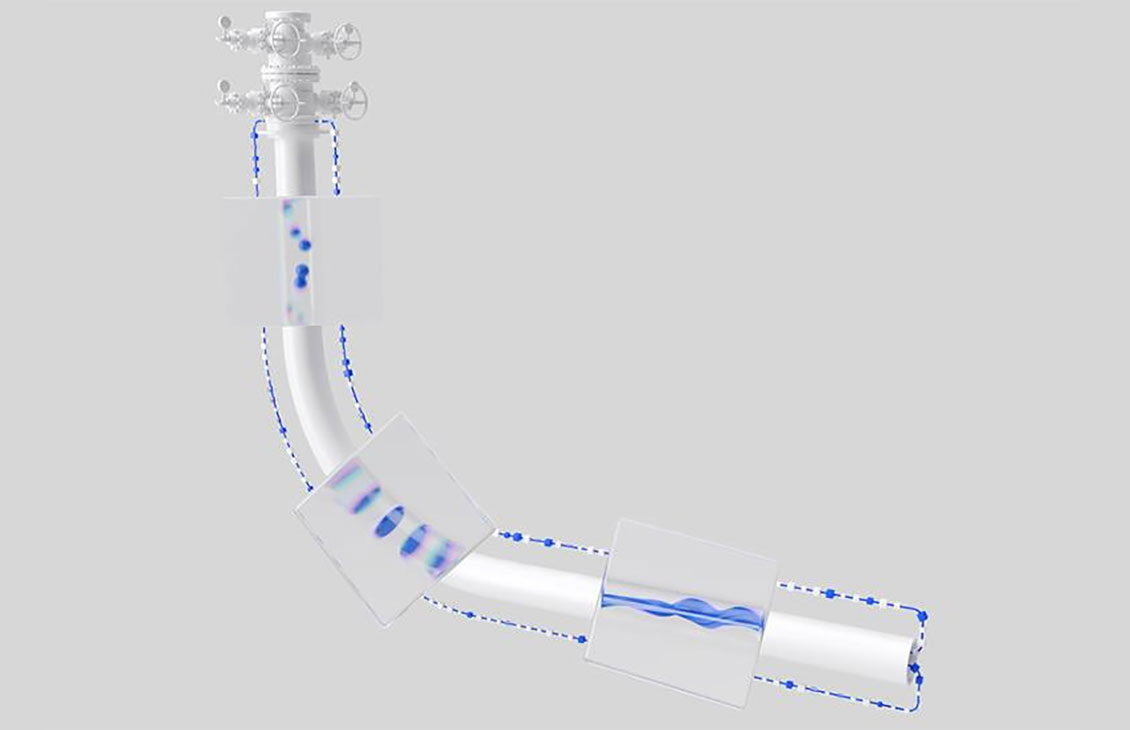
Dynamic drilling simulation softwareDiscover a cloud-based solution that facilitates multiphase well control simulations—Well Control on Delfi™
