Education as a force of dignity and inclusion

I don’t usually talk about my work in personal terms. I tend to think in systems, in delivery, in what needs to be completed next. But there are moments that stay with you, moments that quietly—but profoundly—change how you understand what impact really means.
One of those moments was visiting a school for hearing-impaired children in the Republic of Congo, before SLB built it a new facility. The conditions were difficult, to say the least. The classrooms were severely under-resourced. But what stayed with me was not the place, but the children and their families.
During that visit, a hearing specialist was testing and fitting hearing aids for some of the students for the first time. A colleague and I watched closely. When sound finally arrived to their ears, a few of the children were startled.
Then, smiles suddenly spread across their faces. Some looked around, trying to understand what they were experiencing. Their parents were equally amazed, overjoyed even. They were witnessing something they had never imagined was possible. In truth, we all were.
To witness such joy, such connection—I’ll remember that moment forever.
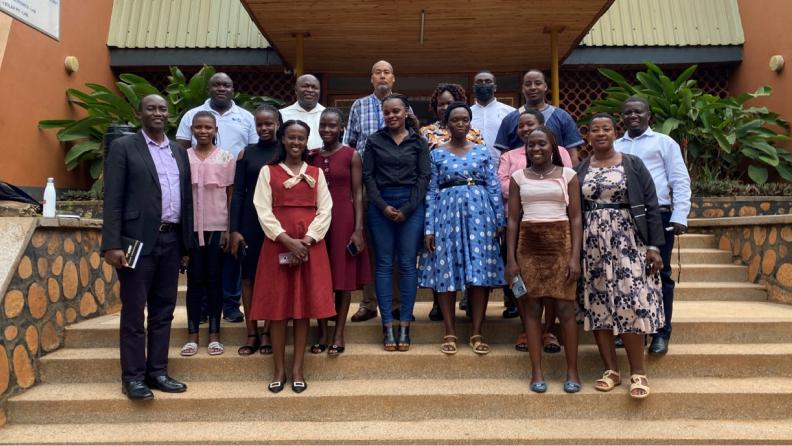
It reminded me that education isn’t just about buildings or programs. It’s about dignity. It’s about being included. It’s about helping people, no matter who or where they are, believe they’re not limited.
In many parts of our region, education systems don’t always encourage curiosity or confidence, especially for girls or children with disabilities. But I believe all children are capable of incredible things, so long as we allow them to believe it. Which is why, in my work, I try to focus on designing sustainability and local content initiatives that build belief and resilience.
Whether through education, STEM exposure, or inclusive community projects, what matters most to me is what stays with people after we leave. We may not always directly witness the miraculous—like seeing a child hear for the very first time—but if children walk away believing they can learn, participate, and grow, then the work we’ve done is already meaningful.
As SLB turns 100, I celebrate the miraculous moments still to come, whether we witness them directly or not.
