Twin builder assistant
Tela™ agentic-AI assistant in OptiSite™ facility, equipment, and pipeline solutions

Overview
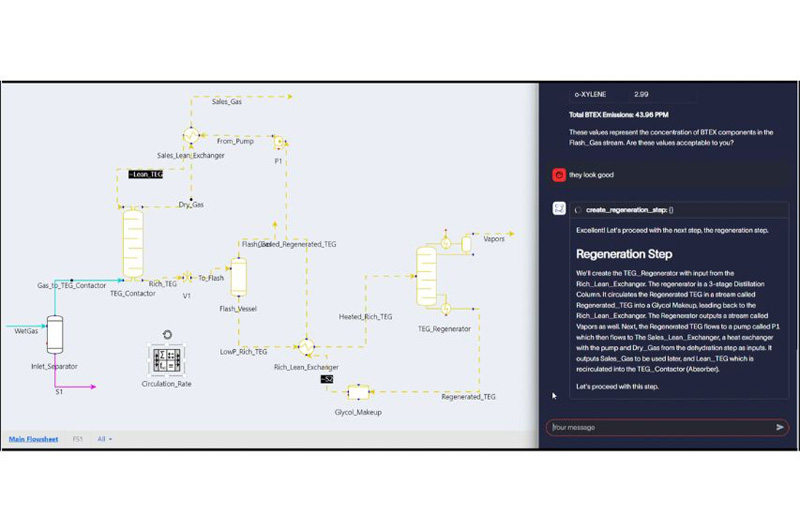
Tela in OptiSite solutions helps engineers rapidly create, validate, and calibrate plant simulation models using natural language interaction. By combining AI-powered guidance with Symmetry™ software and the Pipesim™ simulator, Twin Builder Assistant simplifies complex modeling workflows, accelerates time to value, and makes simulation expertise more accessible across teams.
Challenges
- Building accurate plant simulation models can take weeks or months.
- Model creation and calibration often require extensive domain expertise.
- Manual workflows and handovers can slow model development and validation.
- Modifying existing models or testing new ideas can be complex and time-consuming.
- Simulation expertise is not always readily available across engineering teams.
Solution
- Enable engineers to create simulation models using natural language prompts.
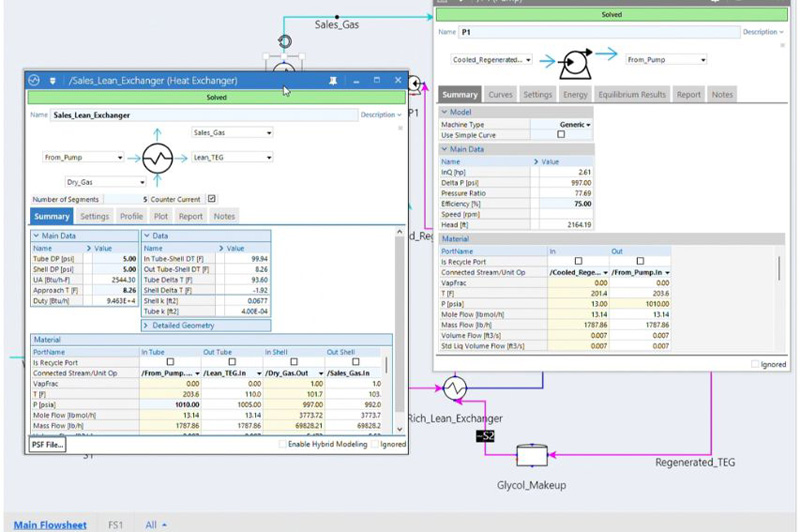
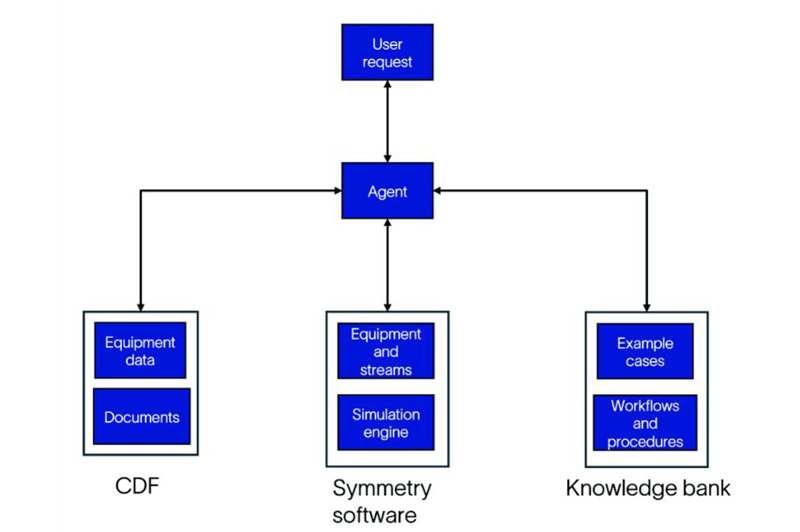
- Leverage Symmetry software and Pipesim simulator to build, validate, and calibrate models.
- Guide users through model construction using knowledge-driven workflows.
- Automate validation and calibration against plant data and operational targets.
- Simplify simulation modeling and reduce onboarding time for new users.
Features
- Knowledge-Driven Reasoning – Leverage proprietary knowledge bases and workflows to guide model construction and configuration.
- Integrated Simulation Tools – Combine Symmetry software and Pipesim simulator for comprehensive process and flow simulation, with chat-based model creation and modification.
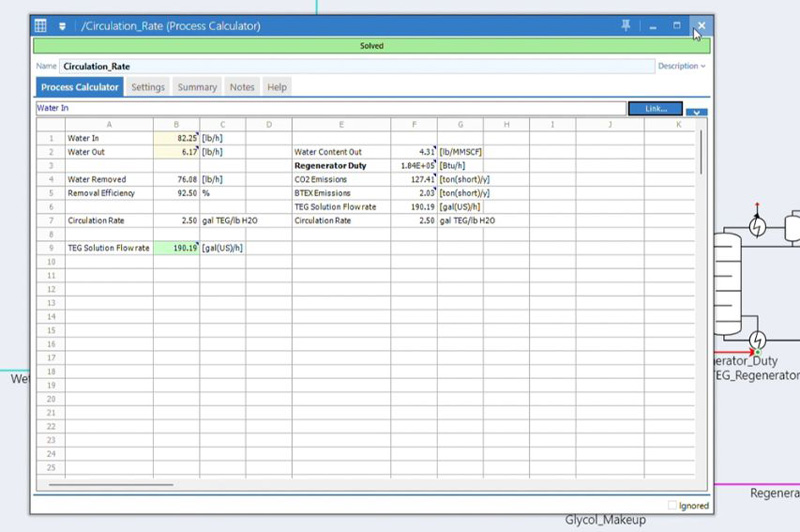
- Dynamic Validation – Run simulations, evaluate KPIs, and validate models against operational targets in real time.
Benefits
- Rapid Model Creation – Build and validate simulation models from scratch using conversational prompts.
- Automated Calibration – Calibrate models using plant data from chat interactions or external sources.
- Expert-Level Insights – Analyze existing models and gain deeper understanding of system behavior and performance.
- Lower Barriers to Adoption – Simplify complex workflows and reduce the expertise required for simulation modeling.
- Accelerate Innovation – Test new ideas, optimize operations, and iterate on models faster.
