TuffTRAC
Wireline tractor
Log while drilling with a short, modular tractor and the only system with reverse tractoring and traction control.
The operator needed to restore production from an offshore well that had become increasingly unprofitable due to a 90% water cut and elevated H2S levels, which had reduced oil output to just 1,500 bbl/d. The challenge was to access and perforate untapped oil-bearing intervals in a highly deviated, debris-filled, sour well environment where conventional conveyance methods presented significant operational risk. SLB was engaged to deliver a secure and reliable intervention solution capable of reaching target zones, perforating under pressure, and reestablishing production from higher-value reservoir intervals while minimizing water production and H2S content.
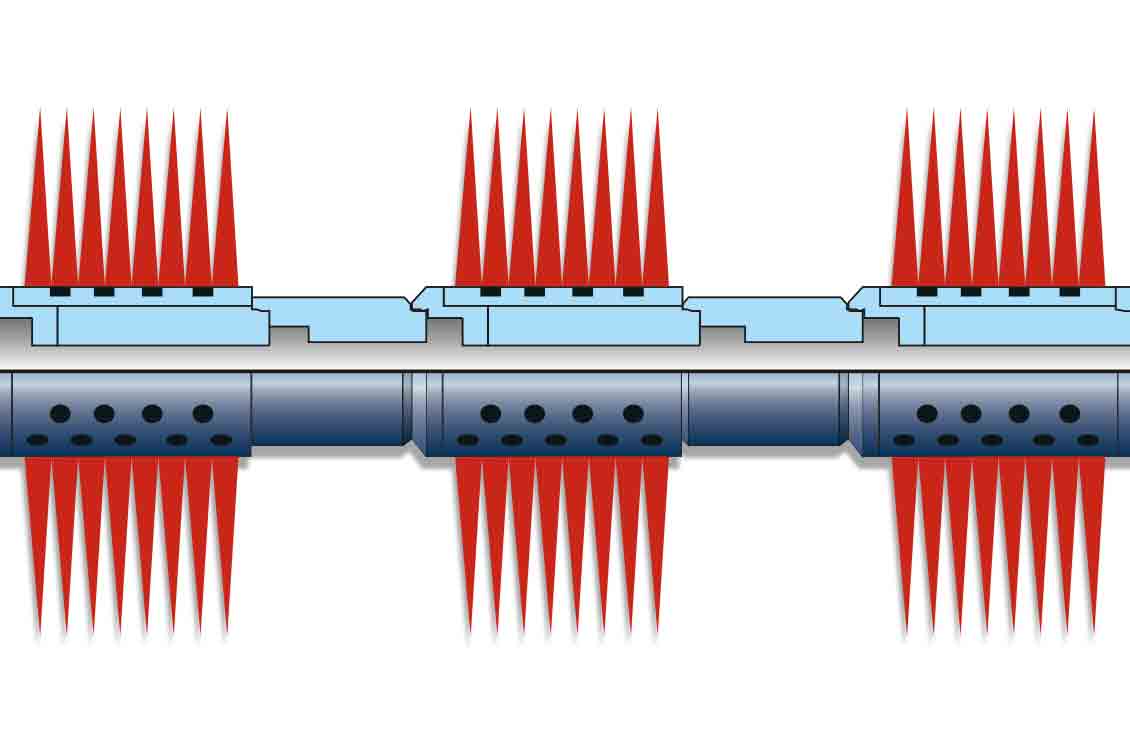
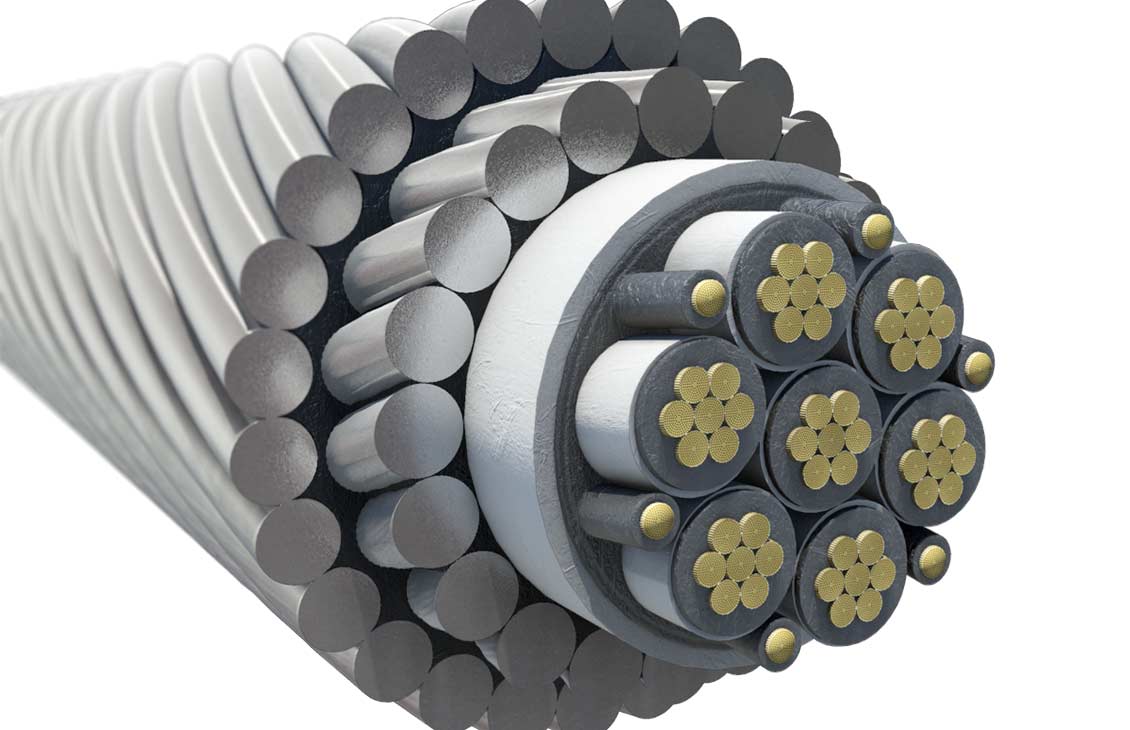
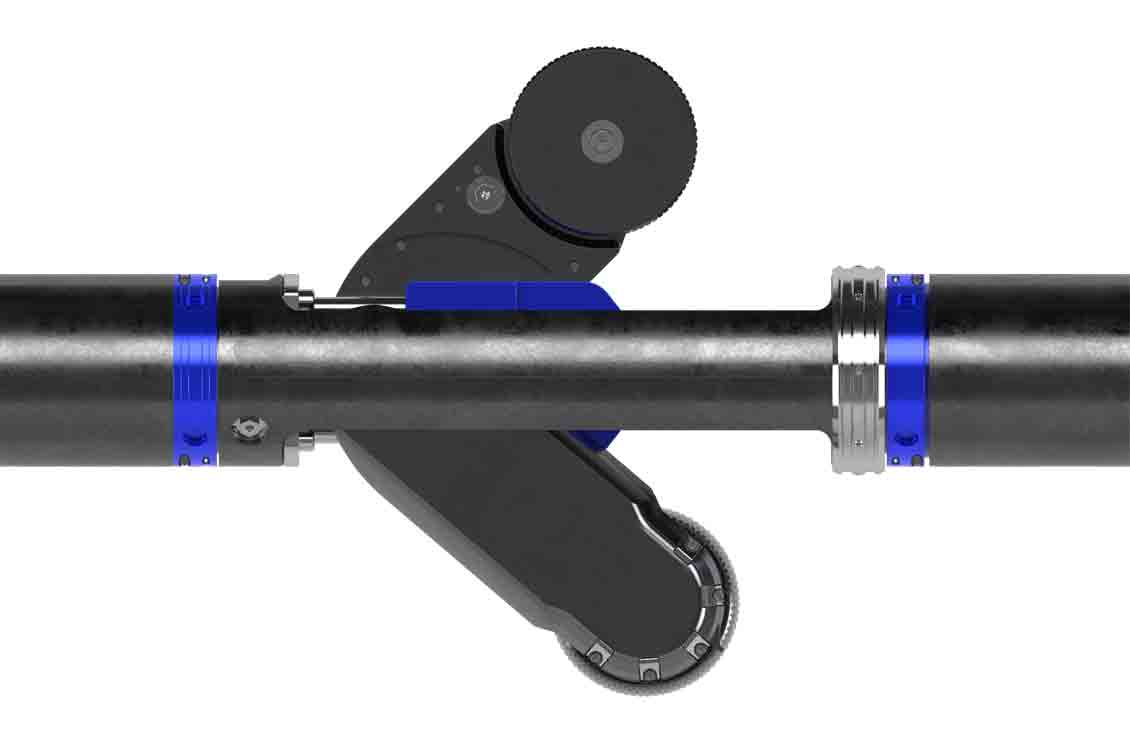
SLB deployed an integrated wireline intervention solution combining the TuffTRAC™ wireline tractor, TuffLine™ torque-balanced composite wireline cable, PowerJet Omega™ deep-penetrating perforating shaped charge, and CIRP™ completion insertion and removal under pressure equipment. Together, these technologies enabled reliable conveyance of perforating assemblies through the highly deviated wellbore and allowed perforating operations to be performed reliably without killing the well.
By successfully accessing and stimulating productive reservoir intervals, the intervention increased oil production from 1,500 bbl/d to 4,800 bbl/d, delivering a 3,300 bbl/d production uplift. At the same time, water cut was reduced from 90% to 50%, and H2S levels decreased from 60 ppm to 40 ppm, significantly improving overall well performance. The successful execution of three tractor-conveyed perforating runs also established new procedures for future offshore applications of CIRP equipment technology, creating a proven intervention approach for upcoming wells.