UltraLock Plus Enhances Wellbore Stability and Drilling Efficiency in Colombia

minus
Colombia, South America, Onshore

UltraLock Plus™ premium-performance wellbore sealant, enabled the operator to deliver wells faster with significant improvements in ROP and tripping times. The solution strengthened wellbore integrity, minimized NPT and supported operational excellence through advanced drilling fluid technology. Overall, the approach fostered reliable performance and reduced operational risks in challenging reactive shale intervals.

Drilling in Colombia’s Lower Magdalena Valley Basin has long posed significant challenges for operators due to the formation’s highly reactive shales and marls. These intervals, rich in smectite, illite, and kaolinite, are prone to hydration and swelling when exposed to conventional water-based muds, resulting in wellbore instability, stuck pipe, packoffs, and NPT. Previous attempts using standard Aqueous Fluid Solutions often failed to adequately inhibit and seal the formation, leading to high torque and drag, undergauge hole sections, and frequent operational disruptions. The operator sought an integrated drilling fluid solution that would enhance wellbore integrity, minimize NPT, and reduce overall drilling costs in these troublesome intervals. The operator required a system capable of providing strong chemical inhibition, effective sealing of microfractures, and improved tripping and drilling performance, all while maintaining environmental responsibility and operational efficiency.

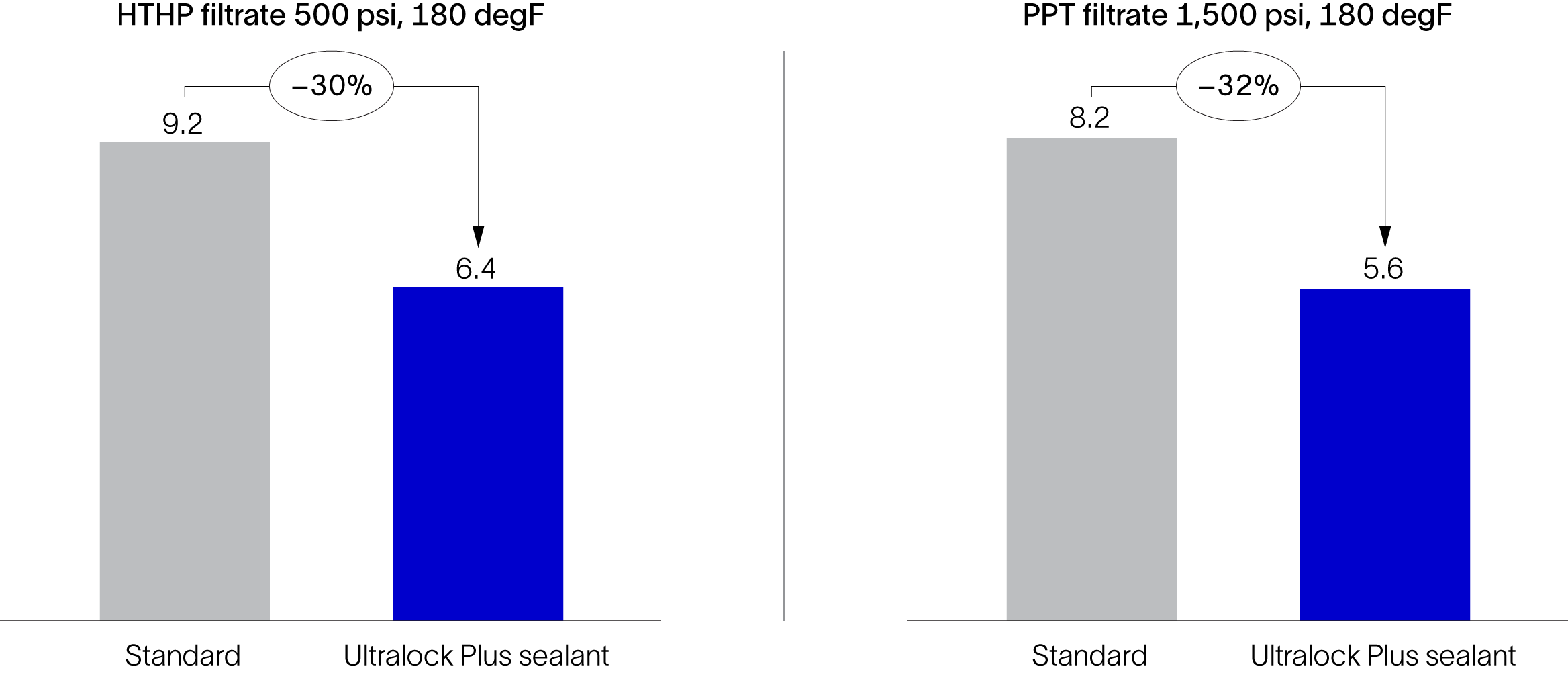
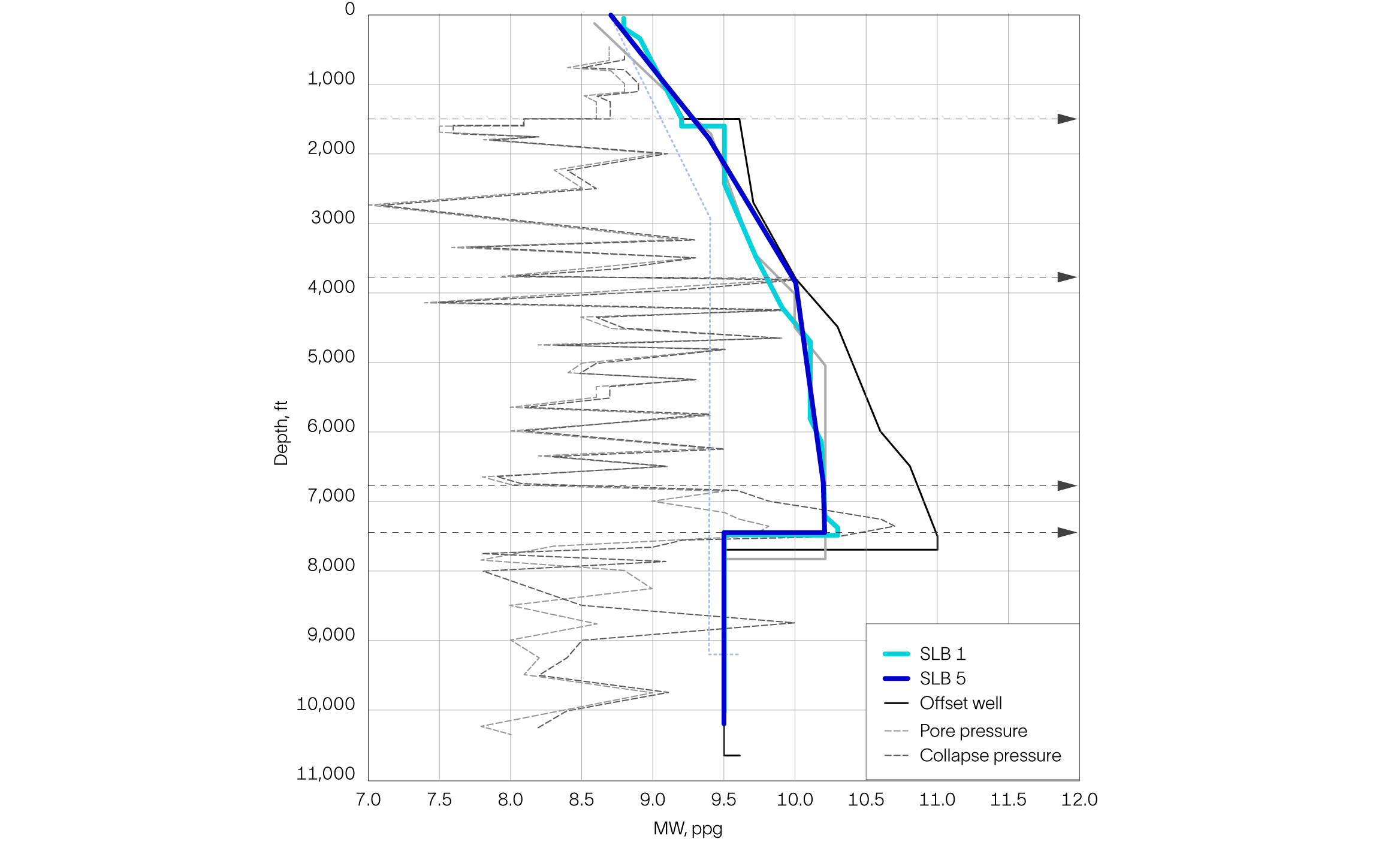
SLB addressed these challenges by deploying a tailored Aqueous Fluid Solutions enhanced with Ultralock Plus sealant, a dry latex-based wellbore sealant specifically designed for low-permeability and microfractured formations. The solution incorporated a dual inhibition strategy using cationic and amine-based inhibitors to counteract the reactive clay mineralogy, while UltraLock Plus sealant provided robust sealing of microfractures and reduced filtrate invasion. Laboratory validation, including permeability plugging tests (PPT) and HPHT trials demonstrated a 30–32% reduction in filtrate volumes compared to the base Aqueous Fluid Solutions system. Field implementation in multiple wells confirmed stable wellbore conditions, successful full-length casing runs, and the elimination of packoff and stuck-pipe incidents. Notably, the mud weight required for wellbore stability was reduced from 11.0 lbm/galUS in offset wells to just 10.2 lbm/galUS, enabling higher ROP and smoother pipe trips.

Operational efficiency improved markedly, with a 15–18% reduction in total drilling time and a 13–20% decrease in tripping times. These gains translated into lower diesel consumption, reduced surface emissions, and a documented reduction of 240 metric tons of CO2 released to the atmosphere. The advanced fluid design and technical support provided by SLB not only solved the immediate operational challenges but also established a new benchmark for drilling performance in the region, strengthening the partnership with the operator and supporting future projects.

"Achieved a higher ROP compared to offset wells. Operational parameters indicate that further optimization were possible. Well conditions remained excellent throughout logging operations and while running the 7-in casing. SLB team continues to advance toward operational excellence, with expectations for a successful completion phase."
Comparison charts showing UltraLock Plus sealant lowered HTHP filtrate from 9.2 to 6.4 and PPT filtrate from 8.2 to 5.6.
Permeability plugging test result for Aqueous Fluid Solutions without and with UltraLock Plus.
Mud weight versus depth graph comparing SLB wells with an offset well, pore pressure, and collapse pressure.
Density Optimization using UltraLock Plus.
Products Used