ExaCT access service

Real-time electrical control lowers uncertainty in lateral entry with precise navigation and confirmation, enabling faster, lower-cost multilateral stimulation in one CT run

Brand art of the ExaCT™ electrical downhole CT control system.
Photo of coiled tubing units in the Middle East.

Overcome multilateral access and navigational challenges in complex wells

Complex well architectures—especially multilateral and extended reach wells—create significant challenges for intervention. Operators often struggle to reliably enter multiple laterals, confirm wellbore positioning, and perform effective stimulation without multiple runs or costly trial-and-error approaches.

Traditional methods lack the precision, control, and efficiency required in HT or geometrically complex wells. This results in extended operational time, increased risk, and suboptimal production outcomes.

Real-time electrical control enables precise lateral entry, confirmation, and stimulation in a single run

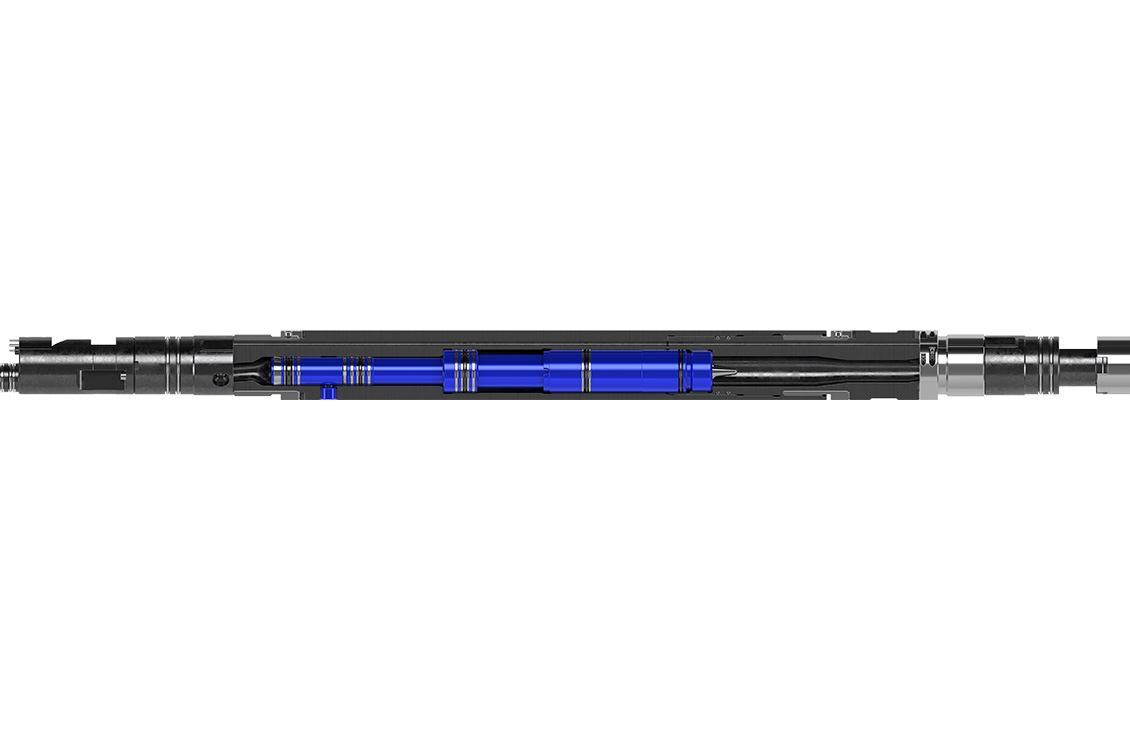
The ExaCT access service, part of the ExaCT™ electrical downhole CT control system, combines on-command electrical control, real-time telemetry, and integrated downhole tools to address access and navigation challenges in multilateral and extended-reach wells. Operators enter, confirm, and stimulate multiple laterals in a single CT run without relying on pressure cycling or repeated trial-and-error attempts.

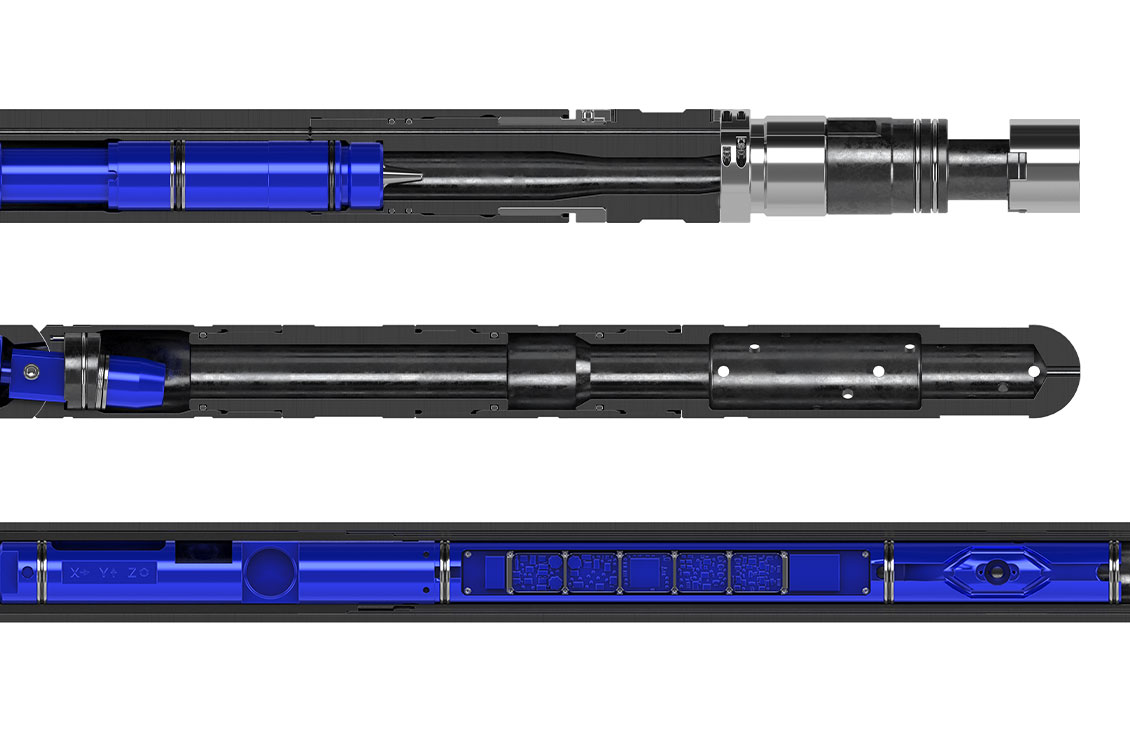
The direction and inclination (D&I) module maps wellbore orientation, while the electrical multilateral module (eMLT) provides azimuth measurements that confirm lateral entry in seconds. Controlled jetting supports precise placement and stimulation, and CT tractor conveyance extends reach beyond lockup limits in complex well geometries.

This integrated workflow reduces repeat trips, confirmation time, and operational uncertainty. In early field deployments, the system completed multilateral entry and stimulation 30–40% faster while reducing overall operational costs by 15–20%. The D&I module and eMLT also operated reliably in corrosive, HT environments exceeding approximately 165 degC [329 degF], supporting first-attempt lateral entry.

Ready to simplify multilateral access?

Measured performance gains in multilateral and extended-reach wells

Field deployments of the D&I module and eMLT, components of the ExaCT system, delivered measurable gains in execution time, cost, and reliability.
Our portfolio

Selected Options

Improve multilateral access

Talk to an SLB well intervention expert about deploying the ExaCT access service to enter, confirm, and stimulate multiple laterals with real-time electrical control in a single CT run.

Talk to an ExaCT access service specialist link button arrow

Frequently asked questions about multilateral CT access

How does electrical multilateral entry differ from hydraulic tractor systems?

Electrical multilateral entry uses on-command actuation and azimuth measurements to confirm lateral entry. Unlike hydraulic tractor systems, it does not depend on pressure cycling or fluid pumping. The eMLT confirms entry before stimulation begins, reducing trial and error.

How long does it take to confirm lateral entry during a CT run?

With the eMLT, azimuth measurements confirm in real time that the BHA has entered the selected lateral, reducing confirmation time from hours to minutes.

What well conditions call for multilateral CT access technology?

Multilateral and extended-reach wells, including HT environments exceeding approximately 165 degC [329 degF], are primary candidates. The technology is especially useful where hydraulic actuation is unreliable or where each lateral would otherwise require a separate CT run.

Can multiple laterals be stimulated in a single CT trip?

Yes. The ExaCT access service combines D&I mapping, eMLT lateral entry, and controlled jetting to enter, confirm, and stimulate multiple laterals in one run without pulling the CT string between laterals.

What temperature rating does the ExaCT access service support?

The D&I module and eMLT are designed for operation in HT, corrosive environments exceeding approximately 165 degC [329 degF].