Solutions
Outperform in demanding unconventional reservoirs
SLB integrates drilling, completions, and production technologies to accelerate well delivery and improve reservoir recovery


Challenge
Every stage of an unconventional well carries its own risk of losing time and money
Unconventional wells keep pushing further: laterals now stretch 4 mi or more, often through deep targets and shifting pressure regimes, and every extra day on a well erodes the economics of a pad program. In well construction, a single lost circulation event, vibration-related bit failure, or telemetry outage can undo weeks of planning. In completions and stimulation, inefficient fracture designs, slow stage cycle times, and unplanned interventions leave reservoir contact and recovery on the table. In production, decline curves, artificial lift failures, and unnecessary wellsite visits erode margins long after the rig moves off location. Meeting aggressive drilling and cost targets while managing environmental risk and building digital and field capability across dozens of wells, from spud to last barrel, is harder than ever.
SLB combines drilling, fluids, completions, production, and digital technologies to address the operational risks that accumulate across unconventional development. Integrated well construction solutions help keep long laterals on target while managing lost circulation, vibration, unstable formations, and drilling downtime. Completions and stimulation technologies improve fracture effectiveness, reservoir contact, and stage efficiency, while production solutions help manage decline, artificial lift performance, and unnecessary interventions.
Real-time connectivity, surveillance, remote expertise, and pad-wide performance data improve visibility and apply lessons from each well to the next. Together, these capabilities help reduce operational variability, improve pad economics, strengthen field execution, and manage environmental impact from spud through production.
- Well construction: Improve drilling performance and reduce unplanned events across long, complex laterals.
- Completions and stimulation: Improve fracture effectiveness, reservoir contact, and stage efficiency.
- Production: Sustain production while reducing failures, downtime, and unnecessary interventions.
- Digital operations: Apply real-time data and lessons learned across every well on the pad.
Integrated technologies for unconventional well performance
SLB unconventional solutions combines pioneering drilling technologies, integrated well construction systems, and real-time digital intelligence to help operators maximize performance, improve efficiency, and unlock the full potential of unconventional reservoirs with greater precision, reliability, and consistency.
SLB Unconventional Solutions Pioneering Technology
Pioneering unconventional performance through integrated technology, digital innovation, and proven drilling expertise.
Performance Highlights
Unconventional performance across major basins
From drilling through stimulation and production, SLB technologies deliver measurable unconventional well performance with more footage drilled, longer laterals, greater well uptime, and lower fracturing-related carbon emissions.
Android_Cell_Dual_4_Bar_Plus
89% more footage drilled
A Permian Basin operator drilled 89% more footage and saved 14 hours while navigating a Wolfcamp Formation profile. The PowerDrive Orbit G2™ high-performance rotary steerable system and AccuStrike™ short-makeup drill bit mitigated shock and vibration while improving erosion resistance.
File_Copy
21,285-ft lateral record
The LateralMax™ low-solids nonaqueous drilling fluid system enabled a record 21,285-ft Marcellus lateral and supported four-mile laterals in the Permian Basin. It nearly doubled rate of penetration (ROP) in high-temperature, high-pressure Haynesville wells while outperforming authorization for expenditure (AFE) targets for cost and days on well.
Texture_Minus
Up to 25% less material
Hiway Flex™ customizable flow-channel fracturing technology uses a mix of proppant and sand to maintain high fracture conductivity while reducing material volume. The approach lowers logistics requirements and helps reduce the carbon intensity associated with each fracturing treatment.
Manage_History
96% well uptime achieved
A Permian Basin operator increased well uptime from 85% to 96% using SLB intelligent lift services. AI-driven analytics and 24/7 remote monitoring helped optimize artificial lift performance, identify developing issues earlier, and reduce unplanned downtime across producing wells.
Capabilities
Technologies engineered for every stage of the unconventional well, from spud to first oil
Every stage of an unconventional well draws on a different set of engineered technologies. The capabilities below are grouped by well construction, completions and stimulation, and production, reflecting how SLB technologies work together across the life of the well.
Well Construction
Unconventional programs demand fast curves, long laterals, and cemented integrity at scale. Our unconventional solutions empower operators to overcome complex geological challenges by integrating advanced technologies and workflows that drive operational excellence. From planning to execution, we deliver optimized drilling performance and well integrity to help you unlock the full potential of unconventional assets, all while reducing costs and minimizing environmental impact.

PowerDrive Max
Unconventional high-performance rotary steerable system
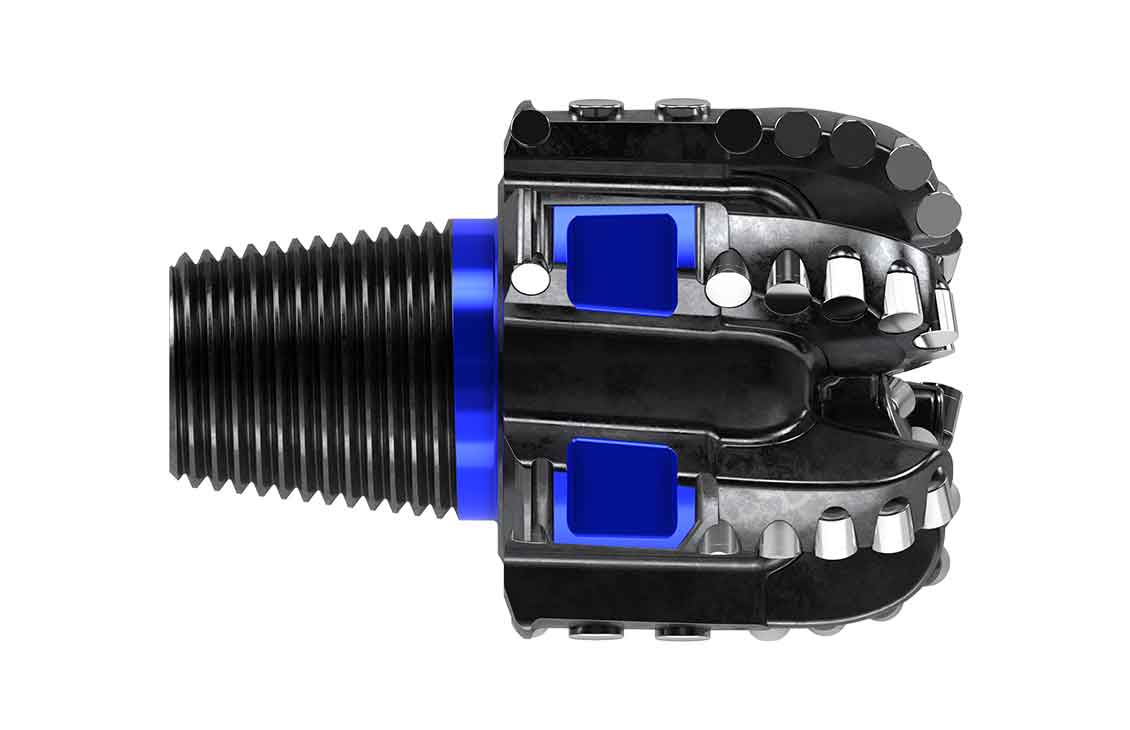
AccuStrike
Short-makeup drill bit

TruMax
Unconventional dual MWD service

LateralMax
Low-solids nonaqueous drilling fluid system

RheMax P
Thermally enhanced primary emulsifier
HydraGlyde
High-performance water-based drilling fluid system

MONGOOSE Max
High-capacity shaker
EcoShield
Geopolymer cement-free system


Completions and Stimulation
In unconventional plays, maximizing reservoir contact and production potential requires tailored completions and stimulation strategies. Our solutions enable you to achieve superior well performance by combining advanced techniques with data-driven insights. By enhancing efficiency in hydraulic fracturing and completion designs, we help you deliver consistent, high-value outcomes, ensuring effective reservoir drainage and long-term asset productivity.

ThruBit
Through-the-bit logging services

OnWave
Autonomous logging platform
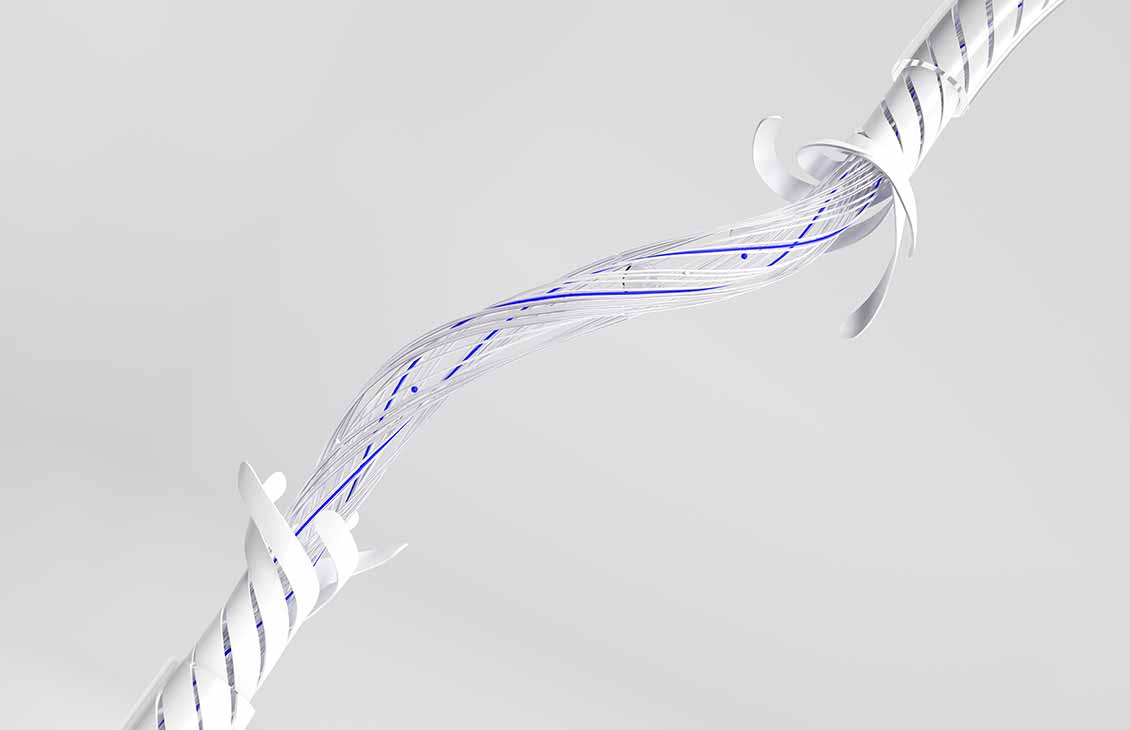
Optiq
Fiber-optic solutions

Unity integrated frac plug and perf gun system
For pumpdown perforating services

Perforating Gun Systems
Comprehensive solutions optimized for the wellbore, reservoir, fluids, and completion geometry
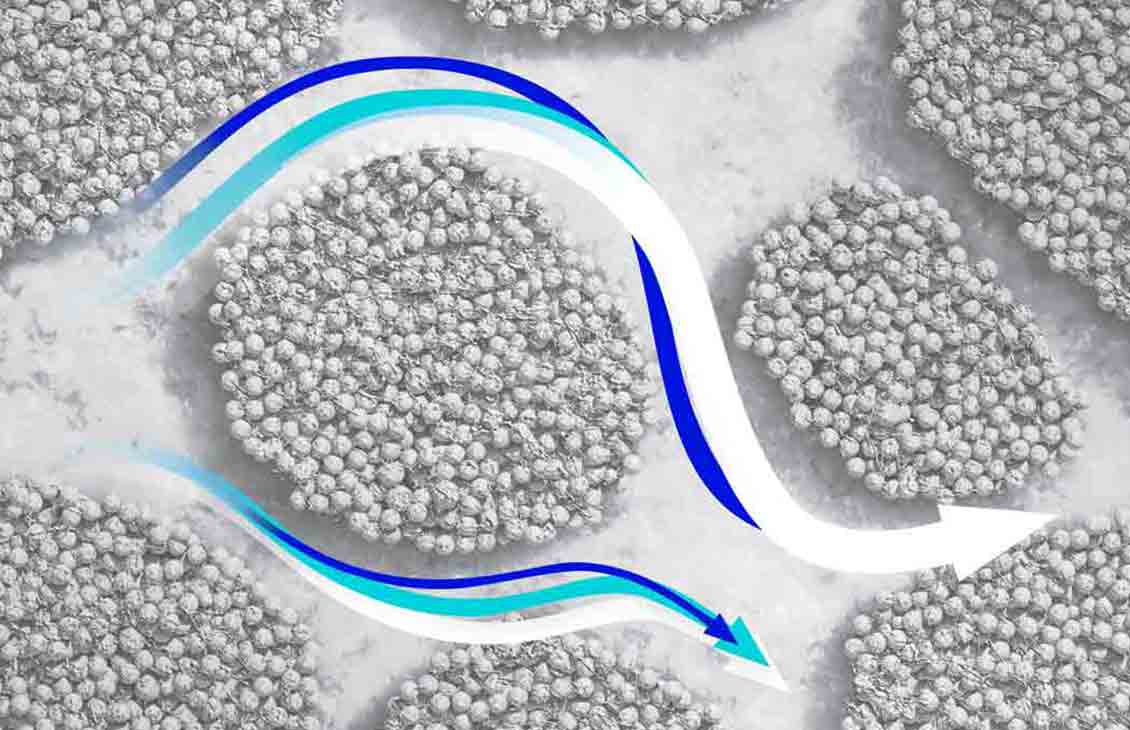
Hiway Flex
Customizable flow-channel fracturing technology
Production
Sustaining production in unconventional reservoirs requires innovative methods to overcome unique operational challenges and enhance recovery. Our unconventional production solutions are designed to optimize output while reducing downtime and operational risks. By integrating advanced monitoring, automation, and recovery techniques, we enable you to maintain consistent performance, maximize asset value, and contribute to a more sustainable energy future.

Intelligent Lift for Optimized Production
Take proactive action for continuously changing well conditions.

PowerEdge Energy-Efficient Wide-Range ESPCP System
Rodless lift of any fluid while consuming less power
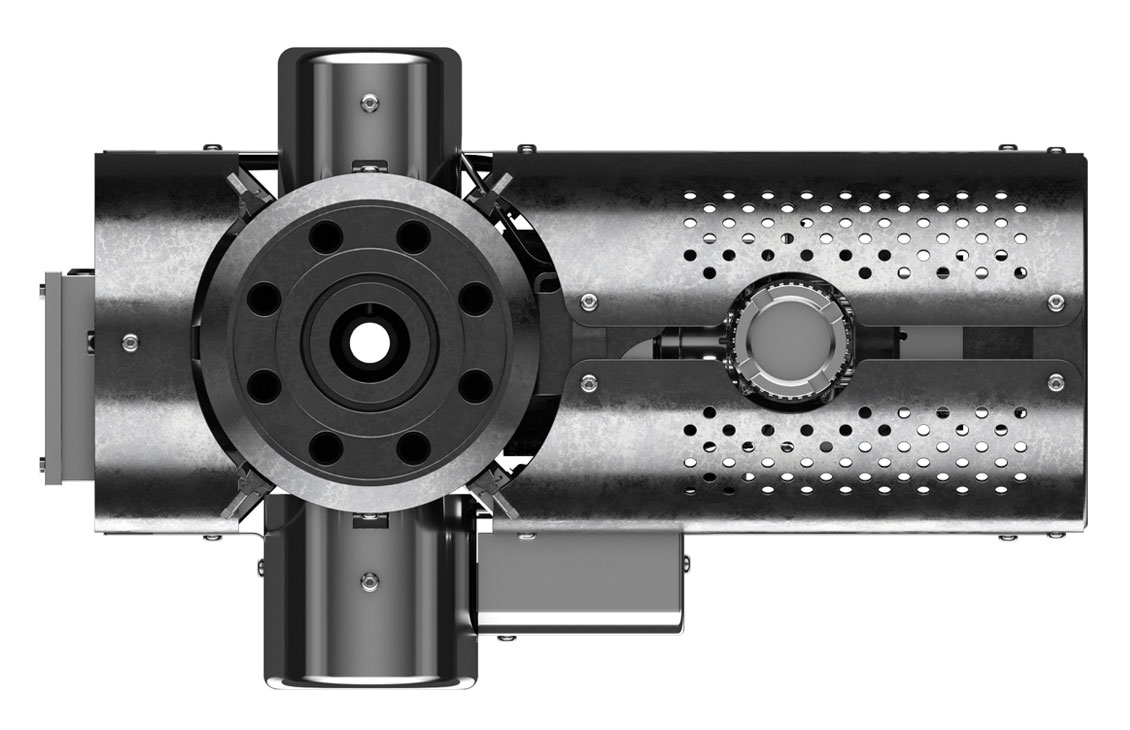
Vx Spectra
Surface multiphase flowmeter
ChampionX production chemicals and services
Maximize production from reservoir to refinery

Sucker Rod Pumps
Specialized lift equipment and parts
Frequently asked questions about unconventional solutions
How can drilling fluids improve hole cleaning in extended and ultra-long laterals?
Properly engineered drilling fluid systems maintain stable rheology and cuttings transport, helping prevent cuttings from settling and increasing drag on the drillstring. The LateralMax system is engineered for complex extended-reach wells, where managing equivalent circulating density, pressure fluctuations, and hole cleaning is critical. In a Permian Basin application, the system supported successful drilling of 4-mi laterals in high-risk zones. The wells met or exceeded operational objectives and were completed under authorization for expenditure targets.
What drilling fluid properties are most important for 3- to 4-mi laterals?
Key properties include stable rheology, low-shear viscosity, effective shale inhibition, lubricity, and control of equivalent circulating density and sag. For demanding high‑temperature, high-pressure, and extended-reach applications, the LateralMax system helps reduce friction, improve hole cleaning, and maintain wellbore stability. Where a water-based system is suitable, the HydraGlyde system provides stable rheology, shale inhibition, low-shear viscosity, and reduced torque and drag. SLB engineers select and tailor the fluid system based on lateral length, temperature, pressure window, formation sensitivity, operational objectives, and environmental requirements.
What rate of penetration and tortuosity improvements can operators expect from advanced rotary steerable systems in unconventional plays?
Advanced rotary steerable systems can improve curve capability and landing accuracy while maintaining a smoother wellbore through the lateral. In Permian Basin field trials, the PowerDrive Max system improved rate of penetration by up to 48% and saved as much as 2.9 days compared with offset wells. Reported curve dogleg severity values were 9°/100 ft and 13°/100 ft, with stable, low dogleg severity maintained through the laterals. Actual results depend on the formation, well profile, drilling parameters, and offset baseline.
How can unconventional operators reduce cementing-related nonproductive time despite weather, road restrictions, or equipment availability challenges?
Operators can deploy the rig-enabled cementing service, which integrates an electric cement mixing skid into the rig package. Because the equipment remains at the rig site and moves with the rig, operators can:
- Reduce delays caused by weather and road restrictions.
- Reduce dependence on equipment mobilization and availability.
- Eliminate repeated rig-up and rig-down activities.
- Reduce personnel exposure and equipment movement.
- Shorten well construction cycles and increase rig utilization.
In the Bakken Shale, the service enabled Chord Energy to complete four cementing jobs during road closures while other rigs in the basin incurred more than 130 hours of combined nonproductive time. It also reduced rig-up and rig-down time by two hours per cementing job.
How can operators control severe or total lost circulation caused by natural or induced fractures while drilling unconventional wells?
Operators can use the Losseal Max treatment to seal natural or induced fractures up to 0.4 in [10 mm]. Its engineered blend of particulates and reinforcing fibers forms a fiber network that a high concentration of solids plugs to control moderate, severe, or total losses. The treatment is up to 96% degradable and acid-soluble in 15% hydrochloric acid, helping minimize formation damage. It can be pumped through a bypass sub on the drilling bottomhole assembly to eliminate trip time, reduce nonproductive time, and enable drilling to continue.

Engineering unconventional performance at scale
From directional drilling to first oil, SLB brings decades of unconventional drilling experience and a combinable technology portfolio to every well on the pad.
Talk to an unconventional drilling expert
