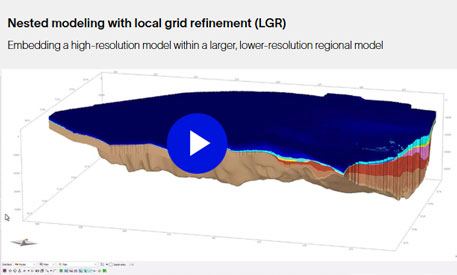
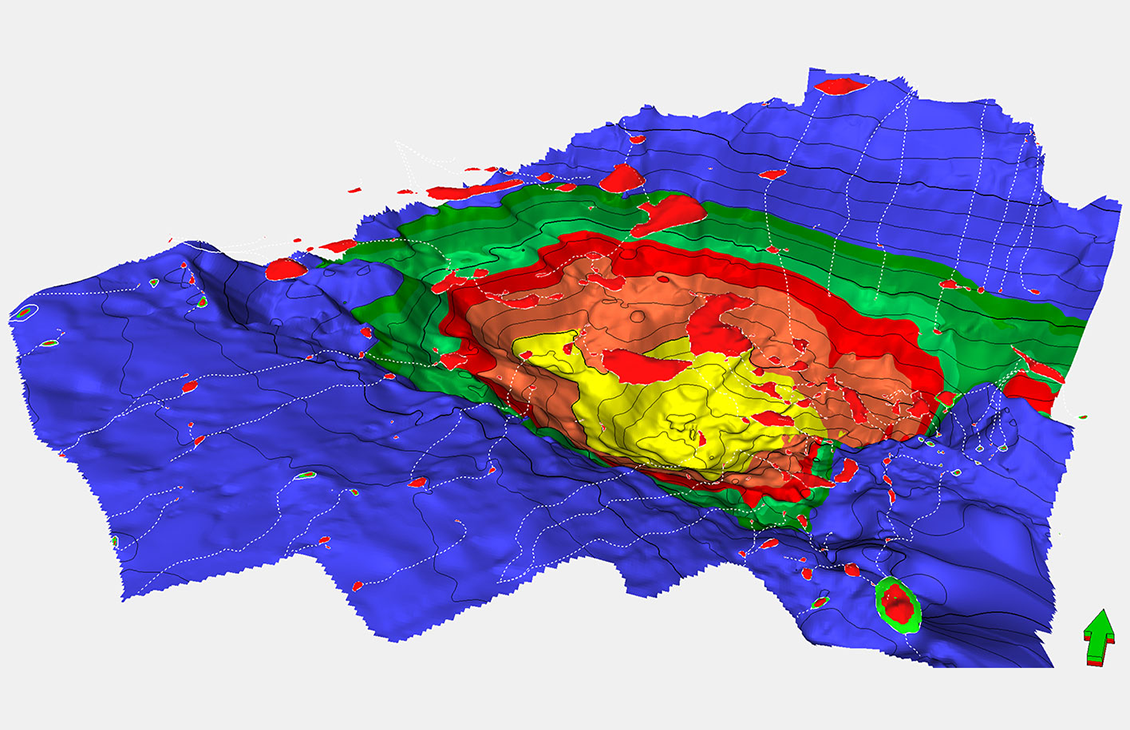
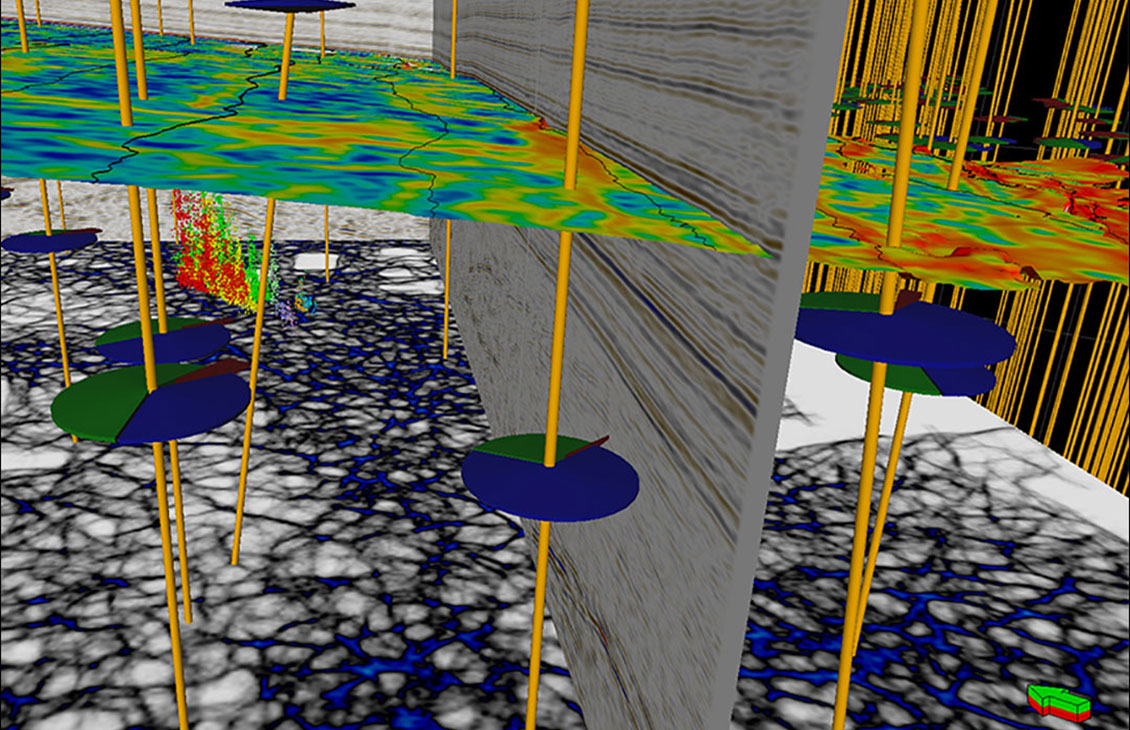
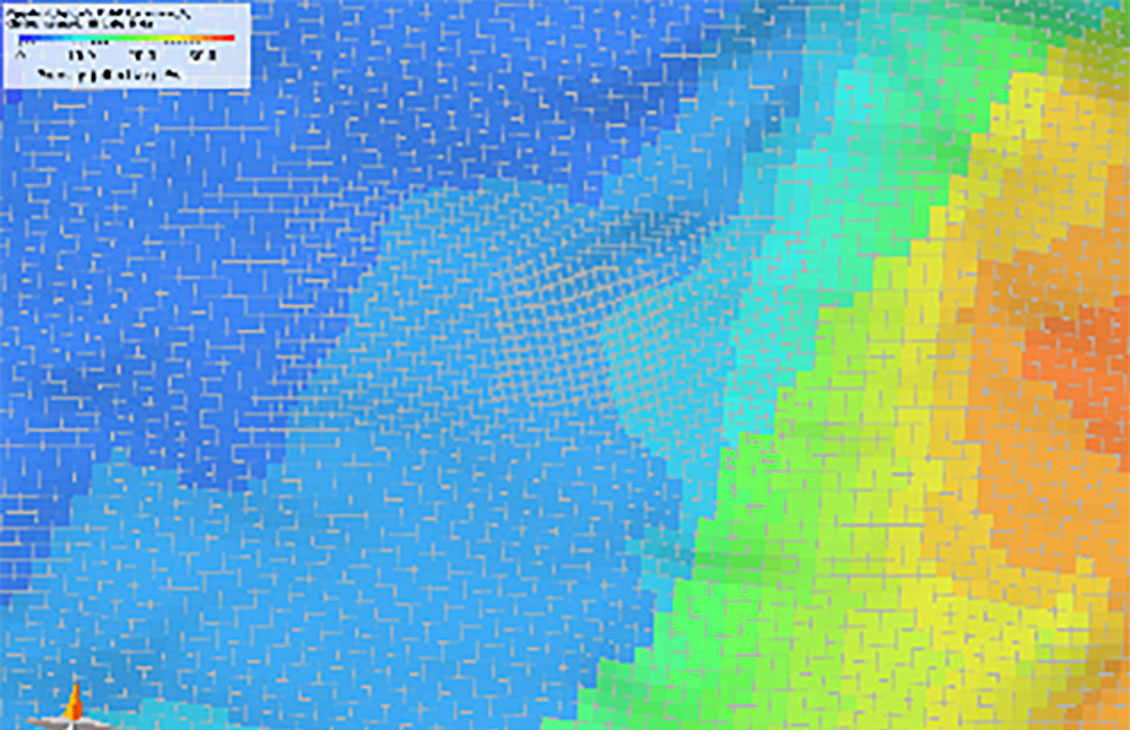
Nested modeling with local grid refinement (LGR)

Petromod basin modeling software combines seismic, well, and geological information to model the evolution of a sedimentary basin. The software predicts if, and how, a reservoir has been charged with hydrocarbons, including the source and timing of hydrocarbon generation, migration routes, quantities, and hydrocarbon type in the subsurface or at surface conditions.
Petromod software announcements
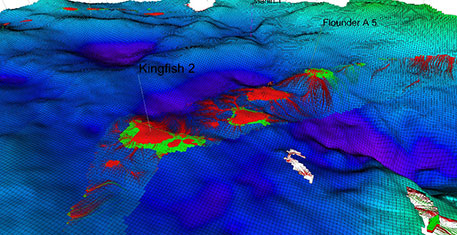
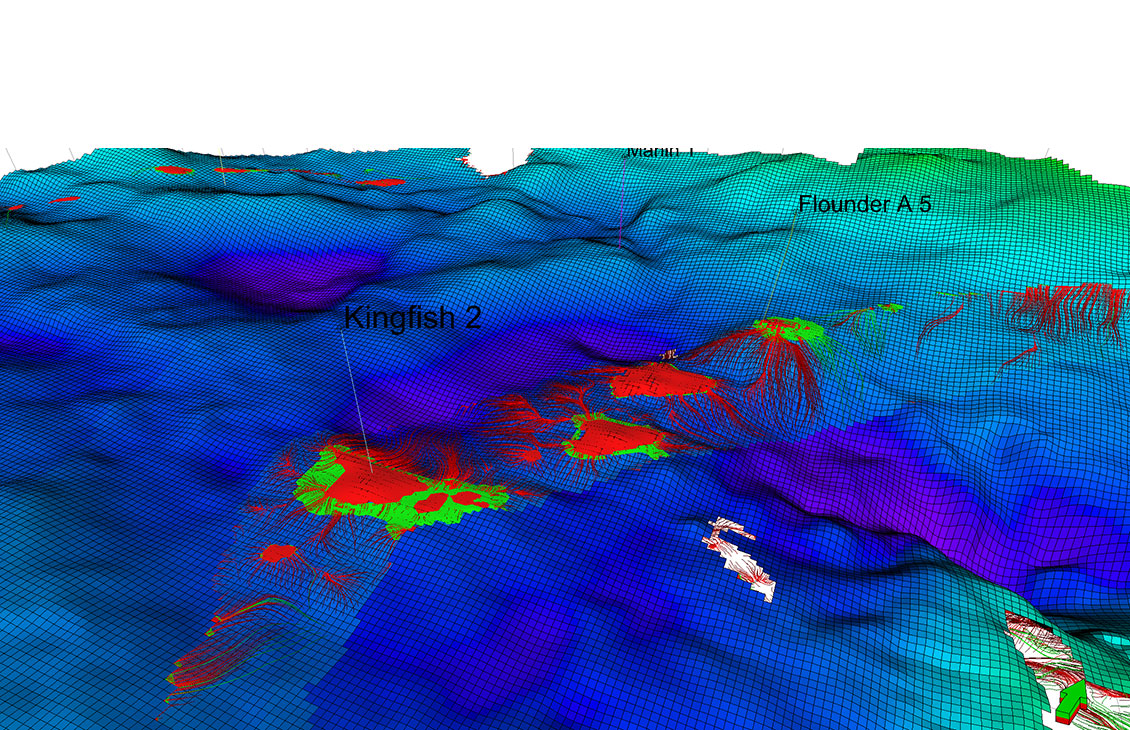
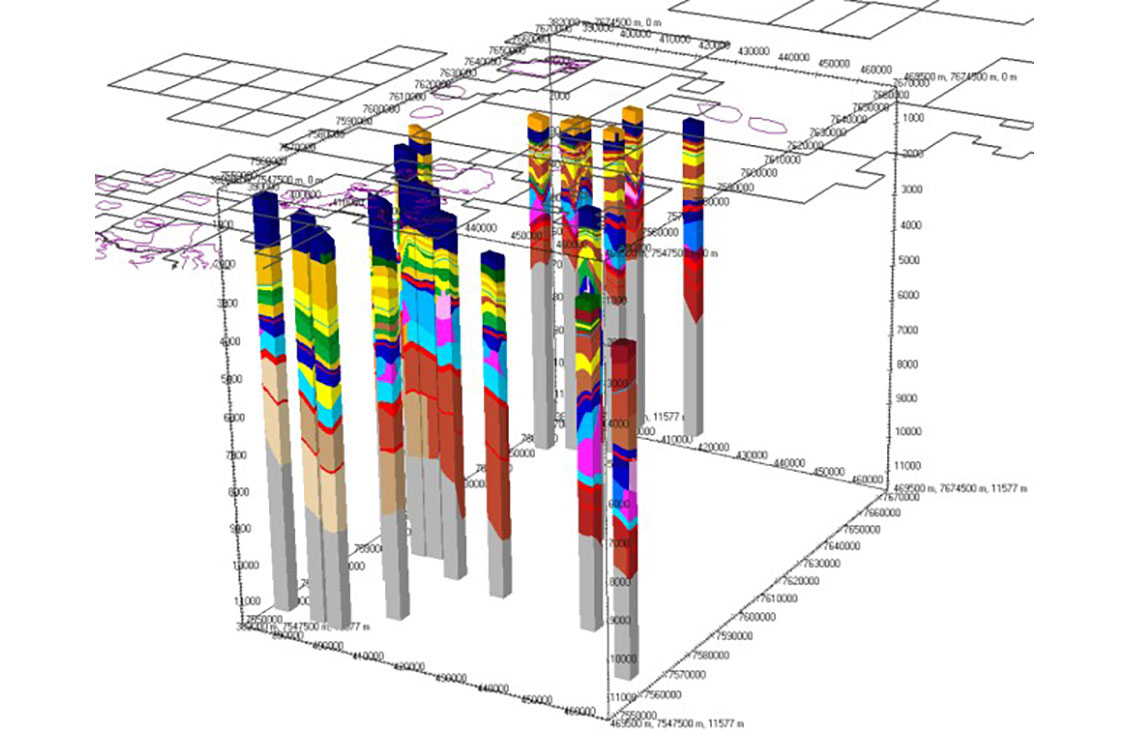
Petroleum systems models (1D, 2D, or 3D) can cover multiple scales ranging from a single charge area for a prospect to regional studies of entire basins to multi-basin resource assessments. The models are dynamic, which means they provide a complete record of the structural evolution, temperature, and pressure history, as well as the effects on generation, migration, accumulation, and eventual loss of oil and gas by top seal leakage through geologic time. Properties such as gas/oil ratios (GOR) and API gravities can be predicted and analyzed.
Petroleum systems modeling (PSM) is a vital component of exploration risk assessment—from basin to prospect. It can be applied during all stages of exploration, from frontier basins with no well control, to well-explored areas and charge assessments of single prospects or fields.
The 3D petroleum systems model includes all the key elements of geological risk in exploration (trap, reservoir, charge, seal, and timing of hydrocarbon generation, migration, and loss) and enables rigorous risk analyses. Even in more mature fields, charge risk on a prospect scale is an essential component of a fully integrated risk assessment.
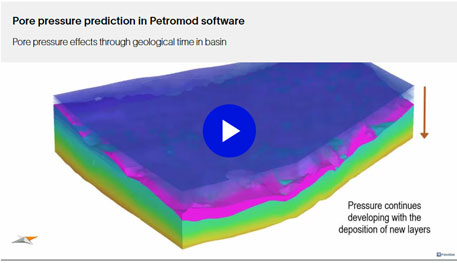
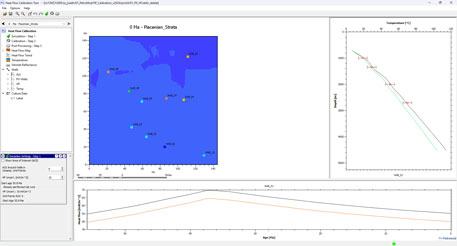
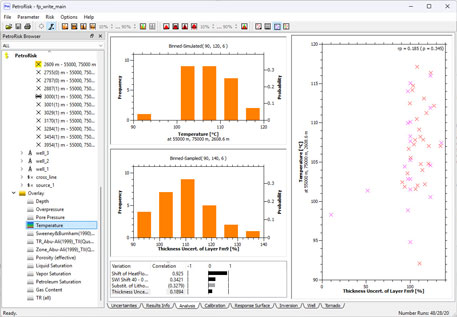
Petromod software provides powerful tools for advanced basin analysis, including nested modeling with local grid refinement (LGR), advanced migration algorithms, seamless integration with Petrel™ subsurface software, and cutting-edge capabilities for pore pressure prediction, heat flow calibration, and uncertainty and risk assessment. Additionally, Petromod software supports fast, cloud-based high-performance computing (HPC) simulations for enhanced performance and scalability.
There are three functionalities that define Petromod software extensibility functionalities:
Integration between Petromod software and Petrel software enables users to efficiently combine the functionalities of both platforms, facilitating advanced basin and reservoir modeling workflows through seamless interoperability.
Benefits include:
Shared libraries for compatibility
Petromod software and Petrel software use the same lithology, kinetics, and component libraries, ensuring full compatibility. Users can create and share these elements between both programs without extra adjustments.
Model creation and simulation
Basin models can be created from scratch in Petrel software. Users have the flexibility to simulate these models either directly within Petrel software by linking the Petromod software simulator, or in Petromod software by exporting the input model from Petrel software.
Harnessing OSDU™ platform integration for unified data access
Petromod software can leverage the Petrel software connection to the OSDU Data Platform to improve data accessibility and collaboration. The OSDU Data Platform standardizes and streamlines data management in the energy industry, providing a unified framework for storing, accessing, and sharing subsurface and well data across applications and workflows.
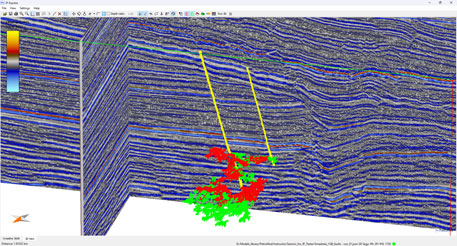
The Petromod software open simulator enables basin modeling specialists to create custom calculations and extend default simulation results. It enables access to input and output data, with new overlays—including seismic velocities, oil properties, temperatures, or maturation markers—calculated and added to the Petromod software database for visualization in 1D, 2D, and 3D viewers.
Key functionalities of simulator extensibility
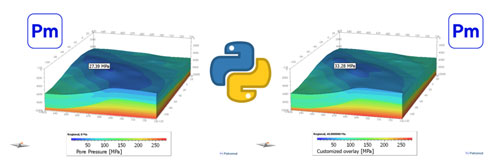
Petromod software on the Delfi platform enables cloud-based petroleum systems modeling. Enhances collaboration, significant reduction of simulation times, access to advanced simulation tools for exploration workflows. Learn more
Petromod software offers several simulation options each with specific IT infrastructure setups

All simulations are run on local hardware within the user's own infrastructure. This setup requires significant investment in local computing resources.

This option leverages cloud computing to run simulations entirely on remote servers. Users can access the Petromod software and perform simulations without needing local hardware.

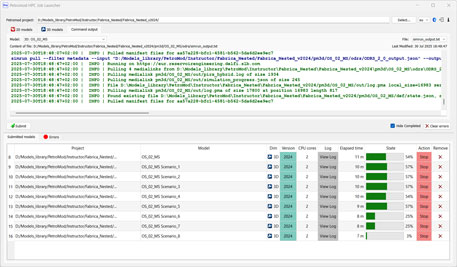
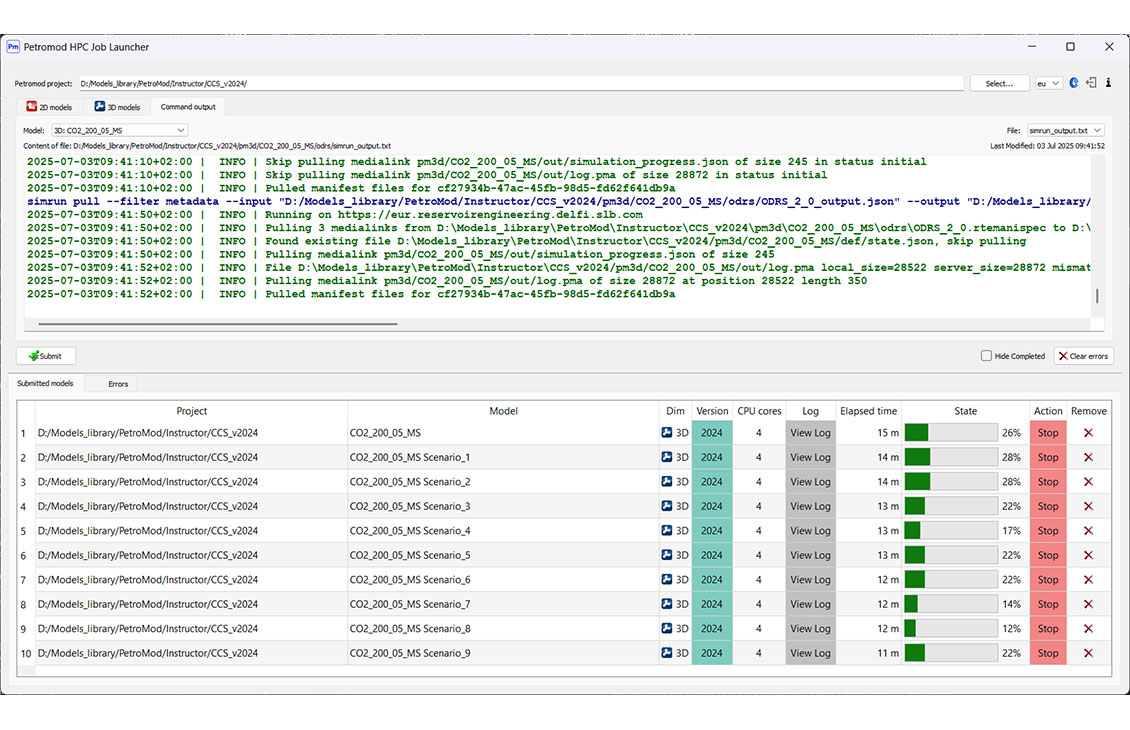
This hybrid approach combines local on-premises infrastructure with cloud-based on-demand simulation (ODRS) capabilities. Models are developed on premises, and simulations are executed through ODRS. This approach facilitates the concurrent processing of multiple simulations.
Petromod 2026.1 and Petromod XD 2026.1 deliver meaningful improvements, helping geoscientists work faster, smarter, and with greater confidence throughout the basin modeling process.
Petromod 2026.1 release announcementThe new simulator interface introduces a clean, intuitive design with smart navigation of settings, making complex workflows easier to configure and manage. Access to SLB Help documentation is now integrated directly within Delfi digital platform, ensuring faster support and smoother onboarding. In addition, the unified kinetics editor brings components and kinetics together into a single, streamlined application. Recent usability enhancements across Petromod software applications improve the overall user experience.
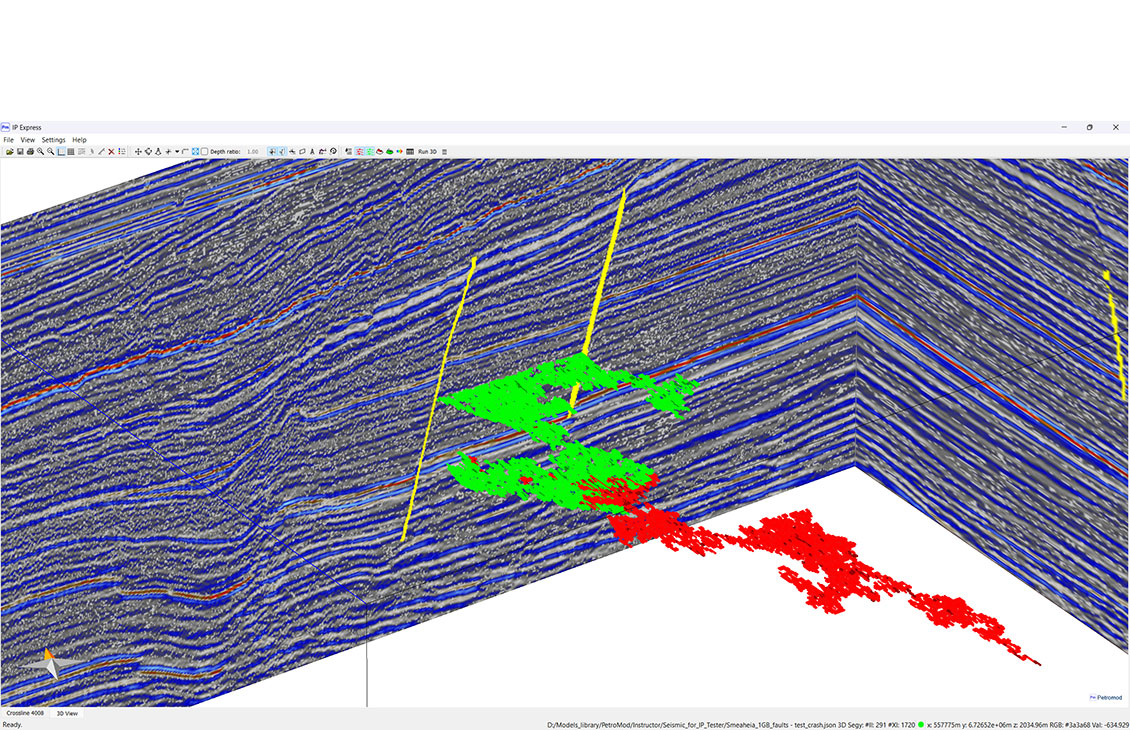
This release improves multi-model visualization and export, to support more consistent data analysis. Users can now benefit from 3D‑to‑2D fault extraction in Viewer 3D, enhanced flash overlay outputs, and an improved color scale in PetroFlash, all designed to increase clarity and efficiency in interpretation workflows.
Petromod 2026.1 delivers major speed and efficiency gains across key engines. Flowpath simulations run up to 35% faster, while IP express simulations are four times faster and six times more memory‑efficient, with added support for .sgy and .zgy file formats.
On‑demand basin simulation is now available for Linux users, enabling efficient, cloud‑based simulations while supporting on‑premise environments and hybrid workflows. Petromod software data can be accessed and edited by Python.
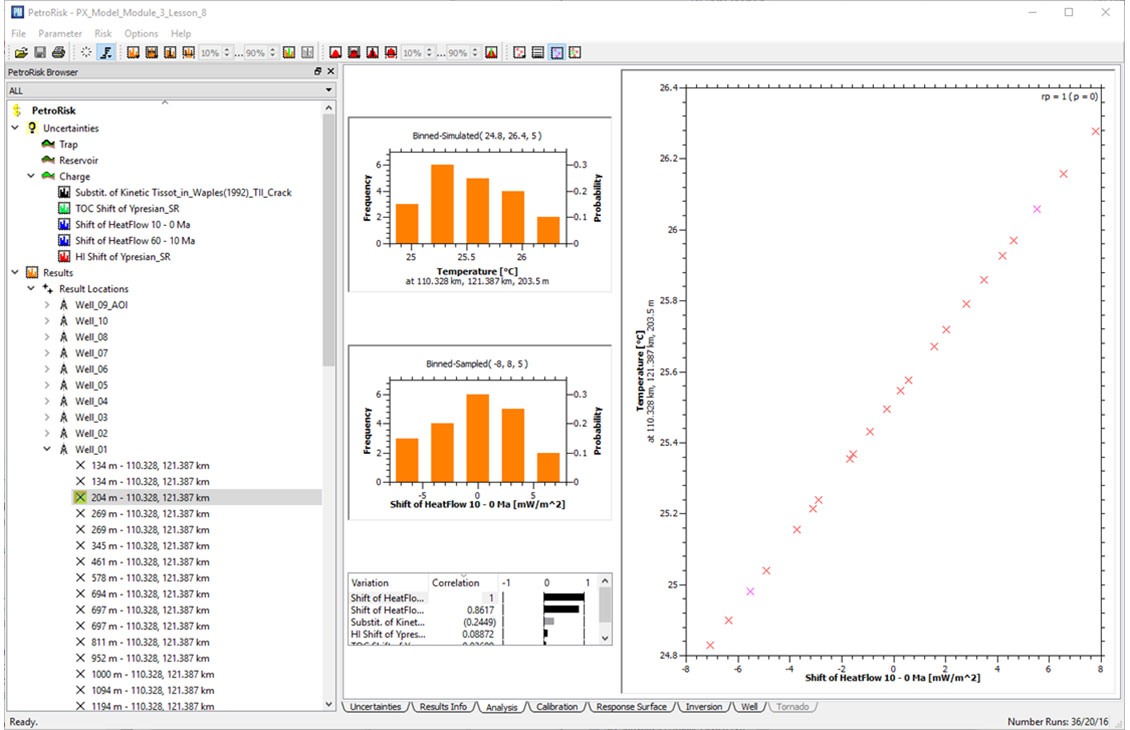
Updates to PetroRisk now provide comprehensive risk data outputs, supporting more robust uncertainty analysis and decision‑making.

NExT training courses address the unique need of each learner, our courses, delivered by world-class experts, teach learners how to deal with real-life scenarios and solve genuine problems.
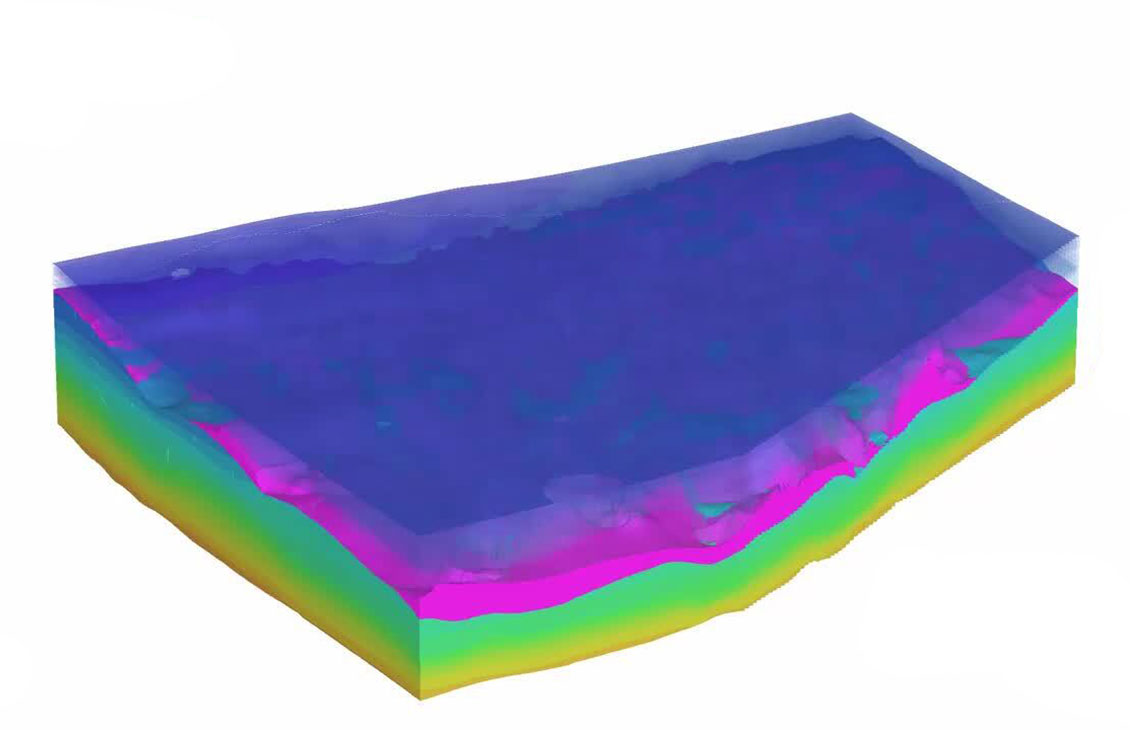

PetroMod software improves pressure prediction ahead of the bit to reduce drilling risk in the salt diapir environment, Mississippi Canyon.

Multidisciplinary pore pressure prediction solution integrates basin simulation outputs from PetroMod software to mitigate drilling risks in GOM and other salt basins.

Seamless integration of PetroMod software with the Petrel platform supports fuller understanding of petroleum system evolution in a compressional environment.

Dana Gas and Sea Dragon Energy team uses PetroMod petroleum systems modeling software to inform new lease acquisition.