Coiled tubing intervention

Real-time downhole coiled tubing intervention that helps reduce risk, time, and cost

Coiled tubing truck in the desert
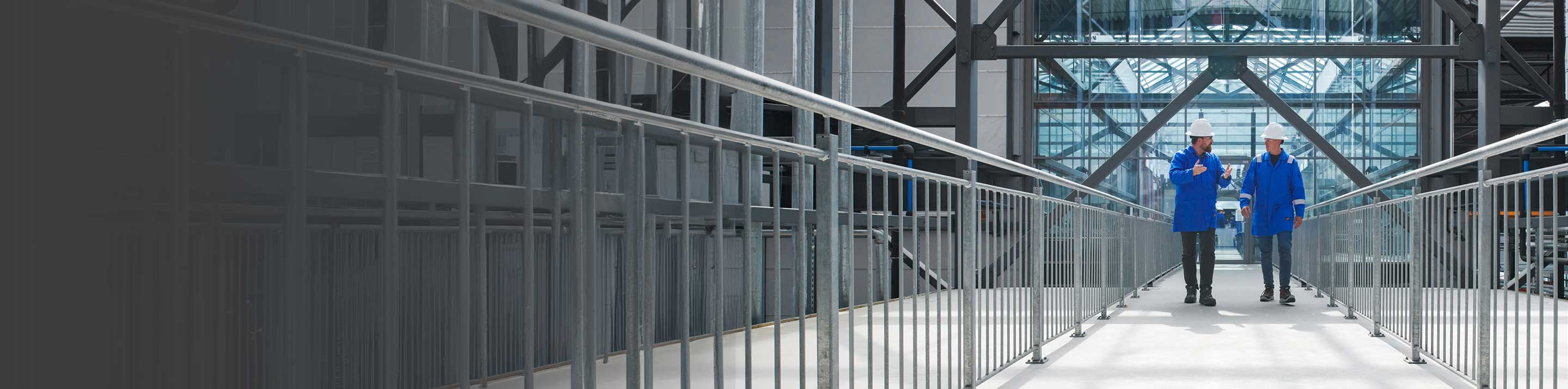
Photo of two people walking between coiled tubing units in the Middle East.

Improve operational efficiency and well outcomes with greater precision and control

Achieving reliable well intervention outcomes requires more than access—it requires precision, control, and confidence in every operation.

Our CT intervention services integrate advanced technologies, real-time insight, and engineered workflows to reduce uncertainty and improve execution across complex well environments. The result is greater operational consistency, optimized performance, and better-informed decisions throughout the life of the well.

These services support a wide range of intervention applications, including well cleanout, scale removal, stimulation support, logging and diagnostics, perforating, and mechanical operations. By combining fit-for-purpose tools with real-time data, each intervention is executed with greater accuracy and efficiency.

Intervention Reinvented
As the need to produce more with reduced cost and lower environmental impact is more important than ever, well intervention is key.

Real-time data and CT shorten intervention time

CT intervention services help operators diagnose, treat, and restore well performance without mobilizing a workover rig. By combining intervention planning, real-time downhole insight, CT-enabled treatments, and fit-for-purpose surface equipment, this approach helps reduce rig time, improve execution control, and complete more work in fewer trips.
Bookmark_Remove
Intervention planning: Evaluate the well objective, reservoir conditions, access constraints, and operational risks to design the appropriate CT intervention workflow.
Control_Camera
Real-time intervention control: Monitor pressure, flow, temperature, and tool response while the string is still in the well.
Discover_Tune
Wellbore cleanout and flow restoration: Remove debris, scale, sand, and other restrictions that limit production or well access.
Legend_Toggle
Stimulation and perforation: Deliver stimulation and perforating treatments through CT to improve reservoir contact without requiring a rig-based intervention.
Overview_Key
Production logging and profiling: Evaluate inflow, identify production issues, and support decisions during the same intervention.
Format_Strikethrough
Offshore and surface execution: Deploy CT surface equipment and offshore-ready systems to reduce rig time, simplify logistics, and help limit crew exposure at the surface.

CT intervention execution and outcomes

CT interventions have increased production, reduced water production, lowered intervention costs, and improved cleanout control across offshore and onshore fields.

A more controlled and data-driven approach to CT intervention

At the center of this approach are ACTive™ real-time downhole coiled tubing services and the ExaCT™ electrical downhole CT control system. ACTive services provide continuous downhole power, real-time telemetry, and measurement capability, delivering critical downhole data and operational visibility.

Building on this foundation, the ExaCT system enables real-time precision, control, and greater certainty in CT interventions through electrical actuation, selective tool control, and integrated workflows across ExaCT access, cleanout, logging, shifting, isolation, and fishing services.

Together, ACTive services and the ExaCT system enable operators to measure, decide, act, and verify in real time, improving execution quality and reducing operational uncertainty.

Technical capabilities behind CT intervention

Each intervention combines downhole measurement, mechanical tools, and surface equipment engineered to work together in a single trip. These capabilities support well intervention, stimulation, production logging, and surface execution across onshore and offshore operations.

Maintain continuous operations while improving cleanout efficiency and control.

Optimize CT stimulation matrix using live monitoring of injection rate, downhole pressure, and temperature.

Ensure target zone coverage with selective perforating and achieve accurate depth control in a single run.

Quantify the intake profile of treatment fluid along the wellbore.

Deploy and maintain artificial lift systems, improving production and well performance with minimal disruption.

Increase production and extend well life by accessing bypassed reserves through live-well directional reentry drilling.

Perforate, stimulate, and fracture multiple zones in single-field operations.

Plan your next CT intervention

SLB combines CT engineering expertise with an integrated portfolio of tools, real-time downhole measurements, and fit-for-purpose equipment to help operators plan and execute interventions more efficiently.

Talk to a well intervention expert link button arrow

Frequently asked questions about CT intervention

What well intervention operations can be performed with CT?

CT can be used for wellbore cleanout, stimulation, logging, perforating, nitrogen kickoff, circulation, cementing, sand control, and mechanical isolation. Because CT is continuous and spoolable, it enables intervention in live wells without using a conventional workover rig.

When should real-time downhole measurements be used during a CT intervention?

Real-time downhole measurements are valuable when pressure control, treatment placement, depth correlation, or changing well conditions affect execution. Live pressure, temperature, flow, and tool-position data enable teams to evaluate and adjust the intervention while it is underway. In applicable workflows, this visibility can help complete evaluation and treatment in one trip.

When is reverse-circulation CT cleanout appropriate?

Reverse-circulation cleanout routes debris and returns through the CT string, helping manage bottomhole pressure and reduce circulating-fluid volumes. It can be particularly useful in complex, depleted, or pressure-sensitive wells. At Clair Ridge, real-time downhole measurements enabled pressure management, early screenout detection, and adjustments to reverse-circulation parameters during the cleanout.

What outcomes have CT interventions delivered?

Results depend on the well conditions and intervention objective. Documented SLB applications have increased oil production from 780 to 1,500 bbl/d, increased sour-gas production by up to 30%, and reduced water cut from 47.3% to 11.5%, achieving a positive return on investment within five days.